This past week my brother and sister-in-law came over for our weekly game night–an event which hasn’t occurred in weeks! Can you say ‘thrilled’? So while all of our kids settled in for a late night of Scooby-Doo cartoons, the adults dusted off our Mummy’s Mask characters and settled in to play!
The Mummy’s Mask Adventure Path is a six part campaign which begins with Book 1: The Half-Dead City, and continues with Book 2: Empty Graves, both of which take place in the town of Wati. The Mummy’s Mask Player’s Guide is a free download on Paizo’s website, available here. If you intend to GM the Mummy’s Mask Adventure Path, I highly recommend picking up the Mummy’s Mask Pawn Collection, which has over a hundred awesome and unique minis to go with the campaign. You’ll also get a TON of use from the Mummy’s Mask Poster Map Folio. Trust me, by the end of Empty Graves your map of Wati will have had one hell of a workout. Mine’s already covered in a ton of numbers and labels I’ve added in permanent marker, to help my players keep track of the many locations in this quirky city. Mummy’s Mask is also the subject of many other neat (but not necessary) game supplements, including Mummy’s Mask Face Cards, Mummy’s Mask Item Cards, and a gorgeous Mummy’s Mask Dice Set by Q-Workshop, which I’d love to get my hands on. Heck, you can even play Mummy’s Mask as a card game (Pathfinder Card Game Mummy’s Mask Base Set), or listen to it as an audio adventure (Beginning with Pathfinder Legends Audio Adventures: The Mummy’s Mask: The Half Dead City). Seriously! There’s a ton of Mummy’s Mask supplements out there, and if that doesn’t tell you Mummy’s Mask is a fun, popular adventure path, I don’t know what does. Other than, you know, me. Haha.
We last left of our adventures in Wati with a cliff-hanger. My group’s characters had just finished participating in a wonderfully fun auction at the Canny Jackal. They had finalized their purchases, selected some choice buys to wear immediately, and scheduled delivery for the other items at their inn, the Tooth and Hookah. They spent a bit of time worrying over Salal, the ancient slave girl they witnessed sold, and a bit more time socializing and hob-nobbing with the many colourful characters in attendance alongside them at the auction.
Artwork by Onionholk discovered on Pinterest which inspired Arc Goodstorm’s appearance.
Arc Goodstorm, my husbands awkward, plant-obsessed witch, chatted with a local coffee plantation owner, Basif Iosep, while Arc’s guest at the auction, a pregnant gold-digger by the name of Pahetti he had only met that morning, tried her best to flirt with the other eligible bachelors in attendance. Arc hadn’t bothered to dress up for the auction at all, although his date did convince him to purchase her new clothes, jewelry and perfume for the evening’s festivities, in addition to purchasing her an object or two during the auction itself. On his back, Arc carries a deep, heavy basket filled with soil and luscious plants, which he tends with care. His rabbit familiar, Mischa, lives inside the basket, and a sarcastic silvanshee named Kal follows him around most of the time, mocking him and his friends. And his dates. And everything, really. Except the rabbit. The silvanshee LOVES his rabbit. So while Arc chatted, Pahetti flirted, and his rabbit twitched its nose, Kal heckled the surrounding nobles, and cast irritating cantrips at them when no one was looking.
Artwork similar in appearance to Nazim Salahadine.
In another part of the room, Nazim Salahadine, my brother’s undead-hating catfolk cleric of Pharasma, chatted with Menya the Whip, a local, up-and-coming armoursmith who Nazim had decided to sponsor. Nazim looked like an overgrown persian cat, and was dressed in some of the finest attire one could purchase in Wati. Bedecked in silks, gems and expensive perfumes, he cut an interesting figure!
Kasmet, my sister-in-law’s catfolk rogue, was similarly attired in the finest ancient Osiriani-inspired fashions. With her revealing white linen dress, collar of gold and blue beads, and her bracelets, anklets, and armbands, Kasmet looked like Bastet herself, pulled through time to the Canny Jackal. Kasmet chatted with her date–well, the date she and Nazim shared–a pregnant peasant woman named Manat whom they had met that morning at the Insula Mater. Manat quickly won them over with her down-to earth attitude and complete lack of shame. While she and Kasmet spoke, Manat stuffed her face with the finest food she had ever tasted, while wearing the finest clothes she would ever worn. The clothes had been a gift, from Kasmet and Nazim to Manat, which Manat only accepted on the condition that she be allowed to sell the clothes afterwards, which would feed, clothe and educate her family for months to come.
Thus arrayed around the room, there was a sudden knocking at the front door. Ahteb and Hamapetra, the most eye-catching of the Canny Jackal’s many servants, moved to open the door–only to have it smashed in by six zombies. With the servants pinned to the ground and dying under the heavy doors, the zombies poured into the Canny Jackal… And we had stopped.
You see why we were so excited to get back into the game!
We picked up this week with the zombies pouring into the Canny Jackal, spreading out to attack the various nobles and adventurers that my players had grown to love over the past few game sessions. Some nobles were prepared to fight back, of course, like Teos Okhenti, a bastard of House Okhenti who moved immediately to protect Yuya Mahfre, who openly hated him despite his many shameless attempts to flirt with her. Most panicked and screamed. Luckily, there were a few other capable combatants in the room at the time, including Sigrun Firehair and her mysterious companions known only as The Twins, all of whom were members of the Daughters of the Desert adventuring group.
My players leapt into action to protect their pregnant guests and help those in need around the room. Ah, but this battle wasn’t so simple! Crawling hands, shifting crowds, panicking guests and collapsing scaffolding all worked to complicate this fun, dynamic encounter. My personal favourite part? Their pregnant guest Manat stood unworried at the back of the room, filling a massive bowl with as much left overs as she could carry.
In the midst of this battle, the group could hear cries of “More!” and screams of alarm from outside in the Sunburst Market, and deeper into the showrooms of the Canny Jackal, so at its conclusion they took a moment to heal themselves, and ensure their guests were safe, before hurrying on to the next nearest sounds of panic.
In the showroom warehouse they discovered the owner of the Canny Jackal, Minnothet, being attacked by a zombie, while the coffee merchant Basif Iosep protected his mistress, Lady Nubumshaset, from another. Splitting up to better protect the nobles worked well–for a time. Unfortunately a nearby sarcophagus burst open a few moments later, revealing the mummy of Amadjawat the Many Veiled to them in all her undead, angry glory! Luckily, only Kasmet and the nobles suffered under her fear aura, leaving Nazim to shout his ululating battle cry and hurry into battle, with Arc following close behind with his magical lighting spear in hand.
Throughout this rolling series of encounters, the Fateway Five, as our trio of heroes is known, saved other nobles from zombies and rescued the ancient slave-girl Sallal from being abducted. After ensuring the Canny Jackal was safe and looked after, they headed out into the city of Wati–only to see MORE undead terrorizing the populace.
Nearby a terrified man hurried to unlock his door while two zombies closed in on him. Nervously he fiddled and fussed… and dropped his keys. Further away, the familiar sight of Mila Ansretti, a travelling merchant who they had befriended during our first play session and who had been a recurring character since, stood in the market surrounded by four zombies, with only a pair of market stalls and her wits to protect her. The many severed hands of thieves tied to the Pillar of Second Thoughts twitched with unlife, while in the distance they could see The Abadaran Sanctum of Silver and Gold, and the Nethysian Temple of Arcana Unbound both under assault. The other way they could see the holy, white crocodiles being devoured by zombies–their keeper apparently having decided to leave them to their fate. And further away? They could hear the screams of the terrified residents of Wati. The dead had risen!
The rest of the session turned out to be a fun, dynamic series of battles, where our heroes saved familiar faces, made new friends, and brought the dead back into undead. When they had finally cleared the Sunburst Market of dangers they spoke with the nearby churches in order to coordinate a plan to save Wati, and investigated a nearby wagon accident. There they discovered wagons had been smuggling corpses from the Necropolis into Wati, when the dead had suddenly burst out of the wagons and killed the drivers and camels. Although this showed them where some of the undead had come from, it didn’t explain how they had animated, or where all the other undead had come from. Unfortunately, as they were investigating the wagons, the corpses of the wagon drivers stood up, and the broken pinned down bodies of the camels twitched to life. Or, more accurately, unlife. Fighting off the zombies and dodging zombie camel bites was a ton of fun, and when it was over my players were left with an imposing sense of doom.
Something had made the dead rise. And then, right before their eyes, the freshly killed had risen again.
By then it was late, and the time had come to wrap up for the day. So we tidied up, collected our children, and said goodbye.
They have some time to think on their plans before we play again this week, and I can’t wait to see where they decide to visit next!
See you next time!
Jessica
And remember, if the dead come knocking, don’t open the door!
Today we’re going to take a look at the two most recent Starfinder Society Scenarios that are currently available for purchase, and let you know we thought. Although you’ll find references to events in each that I liked or disliked, and comments about specific characters, these scenarios are not explored in detail. It’s not my intention to spoil the events in these scenarios, or give summaries and full reviews, but to share my opinions and provide recommendations. That said, if you want to avoid even minor spoilers I recommend you check out a different article. Whether you intend to use them in home games of the Starfinder Roleplaying Game, sanctioned scenarios for use with the Starfinder Society Organized Play, or just want to read a nifty new adventure, we’ve got you covered! So sit back, and get ready to enter the Drift!
Scenario #1-10: The Half-Alive Streets, a Tier 1-4 scenario for the Starfinder Society.
Scenario #1-10: The Half-Alive Streets is a Tier 1-4 adventure which takes place in Absalom Station. It has no scenario tags and does not feature starship combat. This lovely little scenario sends the PCs on a hunt throughout Absalom’s Freemarkets to track down the creator of a new series of biotech augmentations which the Pathfinder Society would like to make accessible to its agents. Unfortunately, the creator is unknown, and the only lead comes from a shady contact of the Society’s, Julzakama, a vesk pawnbroker first introduced in Quests: Into the Unknown. In addition to the wonderful recurrence of Julzakama, this scenario also involves AbadarCorp, and the shirrin Philt, so anyone who has played through Scenario #1-02: Fugitive on the Red Planet and earned the AbadarCorp Respect boon, will want to slot it for this scenario. There’s plenty of wonderful new faces in this scenario as well, including a ysoki pawnbroker named Dot, a vesk ‘barber’ who specializes in scale and horn detailing named Katazoa, a burly medicinals saleswoman named Isidre, a verthani technomancer named Chryson, and a halfling family in need of your player’s help. This tidy little mystery is great fun, and a has a bit of a horror vibe to it. However, its got a bit of a horror vibe to it. It would definitely freak my kids out. Overall, I give this scenario four out of five stars.
Scenario #1-11: In Pursuit of the Scoured Past, a Tier 3-6 scenario for the Starfinder Society.
Scenario #1-11: In Pursuit of the Scoured Past is a Tier 3-6 adventure which takes place on the library planet of Athaeum which constantly teleports throughout the galaxy. It is of utmost importance to the Second Seeker’s Faction (Luwazi Elsebo), and is strongly tied to the Year of Scoured Stars metaplot. In addition to Luwazi herself, this scenario also includes Royo (a ysoki who dislikes digital records) and Iteration-177 (and android member of the Apis Consortium), both of which are characters introduced in Scenario #1-05: The First Mandate. Anyone who’s earned the boon High Society Influence (Royo) should definitely slot it. New characters and organizations introduced include the axiomite Curators of Athaeum, and the Hellknight Order of the Pyre! Rife with wonderful roleplaying opportunities and a delightful cast of characters, this scenario is a blast! How can it go wrong? Right?! All in all it was a fun scenario, and certainly unique. The major downside is that it’s a relatively high-minded plot in this one, so if you’re just after a fun romp, or you’re playing alongside children, I would recommend a different scenario. Overall, I give this scenario three out of five stars. If you’re particularly interested in the Scoured Stars Incident, or a big fan of roleplaying (like I am) I’d increase the rating to four out of five stars. It should also be noted that there is a Mission Faction Note missing at the end of this scenario. This line has been copied from the Paizo website and is shared below:
“If the PCs succeeded at their primary mission, they further goals of Luwazi Elsebo in uncovering the truth behind the Scoured Stars incident. Each PC earns 1 additional Reputation with the Second Seekers (Luwazi Elsebo) faction, in addition to any other Reputation earned as a result of completing this scenario.”
Thanks for joining us today on our exploration of the new scenario’s available this month. I hope you’ve enjoyed reading about them as much as I have. Now it’s time to go out, join a game, and get playing!
Jessica
Maija from SFS #1-10 The Half-Alive Streets. Illustrated by Priscilla Kim. Art courtesy of Paizo Inc.
Loomarch from SFS #1-11 In Pursuit of the Scoured Past. Illustrated by Priscilla Kim. Art courtesy of Paizo Inc.
The Glyph of the Open Road, Sigil of the Pathfinder Society.
Another week has passed, and another of our OutPost games has come to an end. It was an oldie, but a goodie, from way back in Season 0. Scenario #06: Black Waters was an absolute delight. Put on by GM Shieldbug, the best GM I’ve ever had the opportunity to play alongside, my kids, my husband and I all had a ton of fun! Black Waters is designed for 1st to 5th level characters, and was written by Tim and Eileen Connors. In it, the Pathfinder Society sends its agents to the Tri-Towers Yard, an elite academy for the children of Absalom which was destroyed and flooded by an earth quake a decade ago. During the quake the school collapsed into an undiscovered necropolis, and the Pathfinders have been itching to get at the ruins ever since. Kept out of the mass graves by the (understandable) sentimentality of the influential parents whose children died in the tragedy, the Pathfinders have bided their time. Now known as the Drownyard, the Pathfinders are finally granted a chance! Sent to retrieve a magical ring, this scenario is more than just a dungeon delve. It’s got a surprisingly wide cast of entertaining characters to interact with, from influential noblewoman Lady Dacilane, to a gardener who is more than he appears, and the spirits of the dead themselves. I highly recommend this one!
Five lucky Pathfinders were chosen for the job, including my husband’s character: Enzo Jeggare, a Chelaxian occultist with a splendid moustache and a habit of summoning a dog to battle on his behalf. My daughter played Bunny Paras, a two-tailed kitsune druid with a fondness for dinosaurs and rabbits. Bunny Paras owns a rabbit breeding farm and is a vegetarian. In addition to her many pet rabbits, she has a pet parasaurolophus named Paras, who loves to dance and toot out rocking tunes. My son was paying Senton, an Ulfen ranger better known as Mr. Ice who fled south to escape the continual cold of his homeland: unfortunately, he’s still freezing anyway. I played my wood kineticist, Everbloom, a kitsune who grew up alone in the wilds and views life and death as just another fascinating part of existence. More than a little aloof and uncaring, Everbloom comes off as way nicer than she actually is. The final character was Tera Fosham, a veiled ifrit oracle with clouded vision whose healing touch and blessings were invaluable on this adventure. For more information on Enzo Jeggare, Bunny Paras, Paras and Mr. Ice, check out the following blog posts (Joining the Pathfinder Society and Signs in Senghor: Part One and Part Two) where I talked about their backgrounds, creation, and their first adventure playing Scenario #9-10: Signs in Senghor. To read about our adventures playing Black Waters, check out the gameplay thread, here.
Sigil of the Scarab Sages, a faction of the Pathfinder Society.
After wrapping up that wonderful game, my kids wanted to immediately begin another one, but my husband had other plans. Knowing he was only one adventure shy of a reaching level two, my husband suggested I GM them through another scenario this weekend, and my kids agreed. I spent some time thinking about what my kids love best about playing Pathfinder. Fulfilling faction goals, of course, which means missions that have importance to the Scarab Sages and the Dark Archives. My daughter loves adventures that contain animals and cute things. Definitely nothing with lycanthropes. My son loves missions where he gets to interact with colourful characters, and make friends. Also? Turns out he loved messing with the Aspis Consortium, which he saved his good pal Gideon Wren from. And my husband? Something he’s never done before. And surprisingly, he showed interest in missions regarding the Shadow Lodge. Awesome! So after a ton of sifting, reading and sorting through the scenarios I own, I made an absurdly long list of potential scenarios we could play, and set to work reading. In the end, I decided to run us through an old scenario from Season 0 intended for Tiers 1-7: Scenario #14: The Many Fortunes of Grandmaster Torch. Why, you might ask, did you choose to run that old thing? Well, for starters, Grandmaster Torch is an important character to both the Shadow Lodge and the Scarab Sages, so I definitely wanted to ensure my family got to meet him before we played later scenarios which might involve or mention him. Second, this scenario takes place in Qadira and involves the illegal smuggling of Osirian artifacts, a topic which would interest both my son and daughter’s characters, as they are members of the Scarab Sages. Third, it involves retrieving the stolen relics, all of which have magical properties, and turn out to be more dangerous than originally thought–aspects which could interest my husband’s character, who is a member of the Dark Archives faction. Fourth? This scenario has a lot of roleplaying opportunities, not just with your venture captains and Grandmaster Torch, but also with the people around each of the relics, and the people who possess them. And lastly, although this scenario might seem to be pretty straightforward, there’s actually a lot of ways that players who think outside the box could shake up or alter how the encounters are supposed to take place. And if there’s one thing my family’s good at, its coming up with crazy plans and ideas that no one’s accounted for. In short, I thought they’d have a blast.
And I was right!
The sigil of the Dark Archives, a faction of the Pathfinder Society.
We began our adventure with a short introduction to it’s setting: Qadira and the city of Sedeq, followed by our mission briefing with Venture-Captain Yasmin Kal’al (complete with pictures, of course!). From there we set out into the city, to track down the smuggler Matzal Chaim and determine who he sold the relics to. Bunny Paras and Mr. Ice were also interested in who his inside contact was within the Osirian Cultural Ministry, without whom the relics would have remained out of his hands. They found Chaim, and came up with a good plan to corner him, but he noticed them and fled into a bathhouse. While our Iconic filler character and Mr. Ice watched the outside entrances an exits, Enzo and Bunny Paras chased him into the bathhouse, and cracked out a bunch of wonderful skill checks to avoid slipping on wet tiles, pushing past crowds of bathers, jumping over baths, and seeing through stream. Enzo nearly slipped and fell on the tiles, while Bunny Paras was thrown off guard when she had to slip past a group of naked bathers who fled from Paras in a panic. In the end they caught up to their target, but they were too late. He had run into a private bath and was cut down by the guards–guards working for the notorious information broker, Grandmaster Torch. Lucky for them, Torch had the information they were looking for and was willing to part with it–for a price.
My kids had a blast interacting with the ever-creepy Grandmaster. My daughter immediately began trying to purchase other, non-related, frivolous objects from his associates for her rabbit farm (a giant rabbit statue and planter, anyone?), while my son offered Torch a whopping two dollars for the information. Hearing the price was 3,000 gold pieces, Mr. Ice sure was surprised! He bargained for the information by offering favours and was rewarded with four names–one for each person who had purchased one of the stolen statuettes. Mr. Ice promptly asked for more information on them, in exchange for another favour each. Grandmaster Torch was more than happy to oblige. With that information, my son set out to learn more by offering MORE favours, but was interrupted by Enzo Jeggare, who had to drag his companions out of the bathhouse before they agreed to any more favours and absurdities. Clearly, his companions had never dealt with anyone unscrupulous before! Not trusting the Grandmaster, Enzo himself led the group through the streets of Sedeq to find each of their targets.
Although it’s expected that the PCs will have to engage in four or five combat encounters during this scenario–some groups might manage three or four–my family managed to use quick thinking, cunning plans, distractions, summoned creatures and childish optimism to complete three of those encounters non-violently. That left only two battle encounters for the entire scenario. A real feat! The battles all went well, but weren’t particularly difficult for them. But in this scenario it was the interactions and roleplaying that really shined. Everyone had a BLAST.
After completing their mission and some minor interactions with their venture captain, the group was given an invitation to have dinner with Grandmaster Torch–an event which Enzo accepted with some trepidation, Bunny Paras was happy for, and Mr. Ice was over the moon. Seriously. He was SUPREMELY excited. In the end he decided that Grandmaster Torch was his second favourite NPC, and he wanted to make him his best friend–alongside Gideon Wren, of course! Mr. Ice invited Grandmaster Torch to his upcoming birthday party, and the group bid him farewell.
And so our scenario came to an end. As their third scenario, they got to spend some time levelling up their characters to level two, and purchasing gear. And which adventure will they go on next time?
I’m thinking… Scenario #7-10: The Consortium Compact! It’s a low level, repeatable scenario involving the Aspis Consortium that I think my kids will rally have a ball with!
It’s been a while, but I finally got my hands on a Starfinder flip-mat! Which one, you might be wondering? The most important one, of course! We’ve been using a hex grid at my house for starship combat while playing Starfinder, but it’s terrain from another game. Admittedly, brightly coloured grass, hills and some trees is not exactly an atmospheric location to be making fancy piloting maneuvers and firing our laser turrets. But, Starfinder Flip-Mat: Basic Starfield has come to the rescue! This mat is gorgeous, folds well, can handle markers, and has two different sides: one is black with white stars, while the other is more colourful. We’ve tested it out a few times and honestly, couldn’t me more thrilled.
Which brings me to the next wonderful product I finally got my hands on: Starfinder Pawns: Starfinder Core Pawn Collection. Now, there’s other pawn collections out there for Starfinder: Starfinder Pawns: Alien Archive is another beauty, but I knew that if I only invested in one pawn collection, Starfinder Pawns: Starfinder Core Pawn Collection would be it. Why? For starters, it has ships. SHIPS. No longer will we fly around a random leucrotta or demon mini while travelling the stars! Oh, no! We’re upgrading to a gorgeous Idaran spaceship! Second? The races. With over ten different minis for each of the core Starfinder races, many of which contain multiples, this Pawn Collection has you set for player characters, NPCs and enemies of all kinds.
My son’s favourite pawn from the set: The Thaumtech Omenbringer!
In addition to the core races represented, there’s also a mini or two for each of the legacy races, as well as a few select Starfinder races from other sources, including the haan, elebrian, grey, and contemplative. The icing on the amazing star-cake? A few drone minis for all those mechanics out there! My son adores all the ships inside, but his favourite turned out to be the Thaumtech Omenbringer, an ominous looking Eoxian ship made of bone and magically enforced steel.
My daughter’s favourite was certainly more expected: the cutest and cleanest looking ysoki in the set: The ysoki Star Shaman. And myself? I’m actually a big fan of the stealth drone, which turned out to be a cute little dog-bot!
Come on! You know you want it! Haha.
After sifting through the pawns with my kids and finding them a new home in a shoe box, we had a ton of fun picking out which minis would be our Starfinder characters. No longer will Hoponisa be using a kobold mini, nor will Vishkesh and his drone be represented by a kuo-toa and a stirge! We couldn’t be happier.
Do any of you own the Starfinder Core Rulebook: Pawn Collection? Got a favourite mini you want to share? Let us know!
Well, April’s here and that means rain and puddles and flowers all around. Or it should, anyway. Instead, we’ve got another cold snap and some snow where I live. But soon! Oh, SOON it will feel spring-like outside! Eventually…
Whatever the weather, Spring Break and Easter have just come to an end for us, and my kids are back in school. My son’s more than a little put-out with this situation, but my daughter’s thrilled to get back to Kindergarten and have some fun. Plenty has happened for us this past week, and it’s been more than a little busy. My daughter obsessively loves rabbits, so Easter is her favourite holiday. In fact, the only thing she likes better than Easter is her birthday, which also passed last month, so this time of year’s always a little bonkers. Aside from Easter events, egg hunts and dinners, we also took my kids to get their picture taken with the Easter Bunny at the mall, and tried to squash in enough time to pick up a gift for my kids. My daughter ended up picking out her own Easter gift when she discovered a children’s stuffed chair–that was a pink rabbit. She’s quite pleased with the gift, and sits in her rabbit chair constantly.
We had two opportunities to get some d20 gaming in this week, although we had hoped to get three in. This past Tuesday my kids sifted through their many, many, MANY characters and took a look at the adventures that each adventuring party was in the middle of or about to embark on. They decided to each pick a group and we’d play one on Tuesday, and the other on Friday. My son chose our aptly named ‘Jungle Characters’ while my daughter chose our much beloved ‘Goblin Characters’ who are about to finish up We B4 Goblins! (which is a FREE download and great fun, so you should definitely click that link! Haha). Deciding we’d start with the Jungle crew, I cracked out my old Dungeon Magazine, Volume #136, and we got right down to playing a modified Tensions Rising. Unfortunately, we ended up busy on Friday and didn’t have time to play our trouble-making goblins, but we did find time on Saturday to begin our second adventure with our Starfinder characters! We embarked on an important Wayfinders mission to Elytrio with Yesteryear’s Truth. Full details on our play sessions this week will appear in an upcoming post, but for now, just know that we had a ton of fun!
In Starfinder news, Pact Worlds was released last week, which we’re itching to get our hands on in my house. Seriously. Even my husband wants that one! And today it just became sanctioned for Starfinder Society Play. Nearly everything in the entire book is an option. Now, if only I owned it… There were also two new Starfinder Society Scenarios released, which I did splurge on. Scenario #1-10: The Half-Alive Streets is a tier 1-4 mystery involving a lethal bio-tech augmentation that sets the PCs loose on Absalom Station. While Scenario #1-11: In Pursuit of the Scoured Past is a tier 3-6 that sends the PCs to the library world of Athaeum, where they’re on the hunt for information about the Scoured Stars Incident. Also joining you? Some Hellknights from the Order of the Pyre! How could it go wrong? Neither of these scenarios involve starship battles.
Later this month the volume five in the Dead Suns adventure path will be released: The Thirteenth Gate. Dead Suns begins with Volume One: Incident at Absalom Station, which I’ve found great fun. They’ve also announced the next Starfinder Adventure Path. For those of you who don’t know, Starfinder Adventure Paths are going to be of varying lengths. One six-part series, followed by two three-part series’. This means that once Dead Suns wraps up we’ll be treated to Against the Aeon Throne, which is a three volume series that begins at level one with The Reach of the Empire. This Adventure Path pits the PCs against the Azlanti Star Empire which I’m absurdly excited for! Afterwards we’ll get to play Signal of Screams, which begins at level 7 with The Diaspora Strain. I’m particularly interested in this one as it strikes me as a horror themed space adventure which is just AWESOME. I can’t wait to see how it unfolds.
As for Pathfinder, the second volume of War for the Crown, Songbird, Scion, Saboteur has been on game shelves for a while, but volume three, Twilight Child, is due out later this month. If you’ve been reading my blog lately you’ll know that I’m super excited for this campaign, although I’m not yet lucky enough to own it. Last month Merchant’s Manifest came out, which admittedly, I’m not very excited for. But, later this month a sourcebook on the creepy nation of Nidal is released. Called Nidal, Land of Shadows, this IS a book I’m thrilled for. I’ve always been drawn to this ominous place and I can’t wait to see what they do with it. The Pathfinder Society has two neat scenario’s out this month. The first is Scenario #9-16: Fallen Family, Broken Name, which is a series of five one-hour quests that take place in Isger and revolves around the now deceased Irrica family who were said to command some kind of supernatural forces. Sent to discover this weapon and the family’s secrets, this scenario sounds like a lot of fun. Plus, if I’m being totally honest, I’ve never had the chance to play in Isger before. This scenario is intended for tiers 1-5. The second scenario recently released is Scenario #9-17: Oath of the Overwatched, which returns to the constantly cursed Blakros Museum and directly involves the Dark Archives faction. I’ve been a big fan of this series of scenarios from way back during Season 0, so I’m desperate to play this one! Intended for tier 5-9, this one’s going to be tricky!
In other news, my whole family’s been loving their play-by-post campaigns they joined for OutPost. My children and I finished one of the scenarios, Scenario #45: Delirium’s Tangle, over a week ago, and my daughter immediately set out to bring her beloved oracle, Lady Naysha into another adventure. She has since joined up in a game of Scenario #5-08: The Confirmation, alongside one of my husband’s new characters. Meanwhile, my son’s forgetful wizard, Fuzzzy, alongside his pet owl, Bobby, joined up to play Master of the Fallen Fortress, a free Pathfinder Module which is sanctioned for Pathfinder Society play. Lady Naysha and Fuzzzy were both previously introduced in this blog post. My character, Juno Berik, has yet to join another game. For those of you curious, our escapades in Delirium’s Tangle can be found here. My husband has had such fun playing his occultist Enzo in our still ongoing Black Waters adventure, that he made three new Pathfinder Society Characters. Toban Tangletop, an eccentric gnomish chef and inquisitor of Shelyn is joining Lady Naysha on her Confirmation; Ruslo, a roguish Varisian slayer who fights with a grappling hook and has a bone to pick with the Aspis Consortium is playing alongside Fuzzzy and Bobby in Master of the Fallen Fortress. And finally, Jeb Barlo, a water kineticist swamper from Wartle, has just begun to tackle Scenario #0-23: Tide of Morning. One of my Starfinder characters has also completed one of her OutPost games: Aurora Vim, a stylish and vain ysoki envoy with a chipper attitude and an ego bigger than a starship. Better known as Rora, this quirky little ball of fun just made a name for herself by tracking down a fugitive on Akiton and saving an entire town in Scenario #1-02: Fugitive on the Red Planet. To read about her adventures on Akiton, check out the completed gameplay thread, here.
And, in anticipation of Pathfinder Playtest, we’ve been reading Paizo’s previews of the new ruleset on their blog. Recent articles include information on critical hits, critical failures and a system that they’re calling the four degrees of success, and a rogue class preview. But, my personal favourite? The details they shared about those beloved pyros: goblins! Colour me intrigued, Paizo!
I hope, like us, your last week has been full of fun, and the glorious sound of rolling dice.
I love the Starfinder Roleplaying Game: Starfinder Core Rulebook. But, I also didn’t want to leap right into Starfinder with my own custom adventures. I wanted to try out some published adventures first. Obviously, there’s not many options right now. There’s the Starfinder Adventure Path: Dead Suns (Part One: Incident at Absalom Station), which looks great, but I didn’t want to lock my family into a long campaign with their first characters. I wanted to do something short. Something that got started right away. That hopped right into the action!
So I turned to the Starfinder Society Scenarios–more specifically, Into the Unknown! Into the Unknown is the first of the Starfinder Society Quests. It’s a tier 1 scenario and is a free download on Paizo’s website. As a quest, it’s formatted a bit different than the other scenarios. Instead of being one four hour long adventure, its a connected series of five short one-hour long adventures. Each of these short quests forms one cohesive, wonderful adventure that feels much grander in scope than your typical scenario. These quests are meant to be played in order, and intelligence gathered in the first four quests can provide you with an advantage in the final quest. The adventure itself has got a bit of everything in it: fun social interactions, local combat, and starship battles. If you’ve read my reviews on the current Starfinder Scenarios which are available, you’ll know that Into the Unknown is one of my very favourites. So, it should come as no surprise that for my family’s first experience playing Starfinder, I picked up Into the Unknown.
But, first, we had a decision to make. We had made our characters for play in Starfinder, not specifically for the Starfinder Society. The rules for character creation are slightly different. Most noticeably for us, halflings are not legal for SFS play as of yet, and my daughter’s robot rabbit may not be strictly legal. After talking it out together, we decided to make our characters legal for SFS play, which required minor changes, and then play Into the Unknown for SFS credit. Afterwards, we’d reevaluate, and decide if we wanted our home campaign to continue as SFS legal, or we would retire from the Starfinder Society and continue on as a regular Starfinder campaign. So, after some fiddling, we set out Into the Unknown. For full details on our characters, check out my previous blog post, Starfinder: Character Focus.
My family spent some time deciding how well they knew each other. In the end, we decided that only one of them–my daughter’s ysoki, Hoponisa–was a Starfinder Agent. A member of the Wayfinders, Hops acts as a contact with a specific group of mercenaries–our other PCs: Tucker Aetherfoot (an operative played by my husband), Vishkesh (a shirrin mechanic with an engineering drone named Rijin, played by my son), and Aya (a kasatha mystic who believes each life if precious and worth saving). Together, Hops and her hired help travel the Vast, deploying drift beacons for credits at the behest of the Wayfinders Faction. After discovering new planets, collecting data on their environments, and deploying drift beacons, the group prepares a report on the planet for the Wayfinders, which allows them to better prepare proper Starfinder teams for further investigation. The mercenaries make some decent credits, and the Wayfinders get to expand their influence without using up valuable Starfinder resources and personnel. This allowed their characters to be allies–friends even–and ‘Starfinders’ without committing their characters to a lifetime of SFS. Thus prepared, we gathered our equipment and got ready to set out Into the Unknown!
Due to their backstory, our session began with a bit of preamble. The group arrived back in Absalom Station and turned their intel over to the Starfinders for some hard-earned credits. Their’s is not the only ship to go on such missions, there’s a few and they’ve formed something of a fraternity. They socialized for a few days in between missions with the other ships and crews, only to realize that one of their fellow Vast explorers, a fully sanctioned Starfinder vessel called the Unbounded Wayfarer, never showed up. This was odd, but not unheard of. Missions involving the discovery of unknown planets was always dangerous, and unforeseen circumstances often popped up which could delay ships by a few weeks. Surely they would run into them next time!
Unfortunately, Hoponisa has some bad news for them. After reporting her information on their last mission to her superior, Venture Captain Arvin, she was told to fetch her mercenary friends for a special mission involving the crew of the Unbounded Wayfarer! Oh, no!
This brought us to the proper start of Into the Unknown‘s first quest, Station, which begins with a briefing hosted by Venture Captain Arvin, of the Starfinders. Arvin’s a friendly lashunta, with brown skin and green hair. He was endearing, and the group seemed to like him quite a bit. However, this mission is urgent, and they have little time to spend interacting with Arvin at the beginning of this quest. Thankfully, Arvin makes many appearances in the current Starfinder Society Scenarios available, so I fully expect them to grow to love the guy as they interact with him time and time again.
More pressing for my players, was the purpose of the briefing. Arvin had just received word that a pawnbroker from the Downlow neighbourhood of Absalom Station had come into possession of some Starfinder Insignias. Insignias belonging to the crew of the Unbounded Wayfarer, who were quite late in reporting back to the Station! Worried, Arvin is dispatching the group to meet with the pawnbroker, a vesk named Julzakama, in order to purchase the Starfinder Insignias back and determine how he got ahold of them. The price had already been negotiated, and the credits transferred. All that remained was to complete the deal. With hope, this intel could allow them to discover what happened to the Unbounded Wayfarer.
My players were so worried for their friends that they set to work nearly immediately, asking few questions of Arvin. They ascertained where Julzakama could be found and the name of his pawnshop (Julzakama’s Loans). They also discovered that some Starfinder Insignia are more than just badges and pins. Many hide secret information and can encrypt or decrypt information the the Starfinders would prefer to keep hidden.
Thus prepared, the group hurried off through the poor, densely-populated, Downlow neighbourhood in order to get to Julakama’s Loans. They found the place without difficulty, and entered the crowded little shop to look around. They found it stinky and crowded, and filled with relatively useless bits of junk, so they approached Julzakama right away.
Julzakama turned out be a lot of fun. My whole family–especially my kids–loved roleplaying with the swaggering, aggressive vesk. They saw through his attempts to con them out of some extra credits, and bargained for information on the seller of the insignias with aplomb. Soon, they discovered that the seller was a female named Exegara. She wore a flight suit, and had clearly come off of a long trip. Once she had her money she asked about purchasing clean skeletons and he directed her to the Vat Garden.
Vishkesh made a purchase from the store in thanks, before the group hurried out into the ‘streets’ of Downlow and made their way to the Vat Garden. Hoponisa let the others know that the Vat Garden was a flooded garden run by a family of ysoki. In addition to selling the plants they grow throughout Absalom Station, the ysoki also act as a mortuary for the poor, and accept corpses for fertilizer. My son, being a young environmentalist, decided that this was perfectly acceptable, and couldn’t wait for his character to meet the ysoki!
Once again, they found the Vat Garden without trouble. A multi-level, dynamic environment, packed full of dense plant-life and surrounded by catwalks, this location turned out to be a lot of fun. Upon arriving they heard people sifting through the garden and saw no signs of the ysoki family who owned the gardens. Worried, they spread out to cover the various ladders and stairs that led down from the catwalks into the garden, and snuck up on the occupants. Vishkesh sent his drone flying above the Garden, before Vishkesh himself called out to greet the people hidden in the garden. His reply was a shot from a laser pistol! Deciding that this was unacceptable, Tucker hopped out of hiding to get the jump on the shooter, while Hops and Aya descended into the garden from the other exits.
The battle in the Vat Garden turned out to be a lot of fun, but quite a challenge! My kids worried over the fate of the ysoki family the entire time. Aya took one heck of a beating, while Hops stayed out of the way and fired her laser pistol at the enemies. Tucker proved an invaluable asset, dashing around and making great use of his trick attack ability. Vishkesh’s drone fired his flare gun at the enemy from above, which helped draw attention to their locations. Vishkesh realized after his first shot with his flame thrower, that he probably should have invested in a different gun. Although it was wonderful shooting a line of fire through the plants at his well-hidden enemies, my son was very sad about the damage it caused to the plants! In the end they subdued a female ghoul–Exegara–and her hired mercenaries just as they were digging skulls and bones out of the wet, deep mud at the bottom of the Vat Gardens. Our Starfinder heroes had knocked everyone unconscious, including Exegara. Fortunately, they discovered a data pad upon her and managed to learn a great deal of information. Even if it was weird using a data pad made of bone, metal and necromantic magic! They decided that Eoxian technology was very disconcerting!
Turns out Exegara had recently joined the Corpse Fleet, a unit of violent renegades from the Undead planet of Eox that believe living beings are nothing but chattel and prey. She sailed on a vessel known as the Endless Threnody. While travelling through the Vast they picked up a distress signal from the Starfinder ship, Unbounded Wayfarer. Following the distress signal to a desert planet surrounded by asteroids, the Endless Threnody found that the Unbounded Wayfarer had crashed. Although the data-pad made no mention on if any of the crew had survived, it did mention that they thoroughly looted the Starfinder vessel and acquired several treasures, including the Starfinder Insignias. From there, the Endless Threnody left the planet. But, before they could enter the Drift they were attacked by a ship called the Lawblight. Surprised and crippled, the Endless Threnody managed to escape into the Drift, but was promptly stranded within. Exegara took a smaller craft and was dispatched to Absalom Station for the purpose of acquiring the parts needed to repair the Endless Threnody. Unfortunately, she had to sell much of their treasure in order to cover the costs–the Starfinder Insignias included. Although the data pad did not include information on the location of the Unbounded Wayfarer, it did include the coordinates of the Endless Threnody within the Drift. If they could access the databanks of the Eoxian ship, they could discover the coordinates of their friends ship.
Hops, Tucker, Vishkesh and Aya were all upset by this news, and decided that they had to report to Venture Captain Arvin immediately. But first…
The station authorities arrived on the scene, led by four interesting ysoki. As the ‘cops’ took the mercenaries and Exegara into custody, the ysoki family approached the PCs to ask who they heck they were and what they were doing here.
My family had a blast roleplaying with these four quirky characters. Admittedly, it helped that I had images prepared for each of them, which is not contained within the module. So, they happily spent some time roleplaying with Grandma Gold, her sons Scum and Mix, and her grandson Spike. Eventually, they remembered the urgency of their mission, and bid the ysoki goodbye before hurrying off to the Lorespire Complex to report to Venture Captain Arvin.
With that, we immediately segued into the second quest of Into the Unknown, Adrift. This quest begins with another mission briefing, which was streamlined considerably for us, since we were moving right along with the action. Arvin thanked their characters for their hard work, lent them a Pegasus Model ship called the Loreseeker, and sent them off into the Drift to corner the Endless Threnody.
Here we took a break to talk about the rules and roles for spaceship combat, which promptly led to a large argument. Neither of my children, who were made to be awesome ship mechanics, wanted to fill the mechanic’s role. Both fought over being pilot for a while, with Vishkesh winning based on the fact that he took the Ace Pilot theme and was a better pilot. My daughter begrudgingly took over the role of mechanic, being the only person left who was any good with it. Tucker took a spot as a gunner, and Aya took over as captain, being incompetent with all forms of technology and the only party member with any sort of social skills. Unfortunately, at the word ‘captain’ both of my kids got right back into arguing, this time over who got to be the captain, despite that they would both be horrible at it. In the end, we decided everyone had to assume the role they were best at and, for our next adventure, if they wanted to switch around their skills to fill other roles, they could do so. But for now, it was time to get going again. By then we were out of time for the day, so we took up playing Adrift the next day.
As our second session began, there was more arguing from my kids over their roles onboard the starship, but we got past it pretty quickly and the Loreseeker finally left Absalom Station. Travelling through the Drift, the trip took two weeks. My family had great fun describing their interactions during the trip and learning about the Drift. Soon, we moved along, though, and the Endless Threnody came within range of their sensors.
As an Eoxian made ship, the Endless Threnody proved quite an ominous sight. Made of bone, steel, and powered by necromantic engines, the ship featured a blood-red lens that looked a lot like an eye, staring out at them. The ship was open to the depths of space, making it impossible for anything living to survive unprotected. In a flash, the ships detected each other, and both fired up their defences. Our first starship battle was underway!
As our first starship battle experience, this fight was a little rough. Everyone was new to their roles and two of our players were under seven. The cheat-sheets that Into the Unknown provided were very helpful, but there was still a lot of referencing our Starfinder Roleplaying Game: Starfinder Core Rulebook, which slowed down the battle considerably. All in all, the experience was complex, but fun. Both of my kids decided they enjoyed starship battles, even if they didn’t enjoy their roles as much as they hoped. In the end the Loreseeker took down the Endless Threnody, and we launched into the third quest from Into the Unknown, Boarding.
Slowly, our players piloted their ship up alongside the Endless Threnody. They would need to board the creepy bone-ship and make their way to the bridge, where they could access the ship’s databanks and discover the location of their friend’s crashed ship. For obvious reasons, they approached with caution. Hops shifted roles from mechanic to science officer so she could scan the ship. They detected a harmful necromantic energy signature on board, and decided to dock at the rear cargo bay, in order to avoid the surges damaging their own ship. They ensured their armour was fully protecting them from the dangers of outer space–which is was–and then Hops cast life bubble on everyone–just in case! Finally, they approached, and Vishkesh deftly piloted the Loreseeker into position without damaging it.
After boarding, they found the Endless Threnody had artificial gravity, but was lightless, and was indeed open to space. In fact, if they were brave enough, they could actually reach their fist out through the gaps in the bone wall right out into the Drift. DISCONCERTING!
The PCs readied themselves for battle and began to explore the cargo hold. There they found a magical computer terminal which allowed them to learn a bit about the Endless Threnody, how it functioned, and mitigate the deadly necromantic surges by deactivating a few of the ship’s necromantic engines. The rest could not be accessed from this terminal, so they group left the cargo hold and set off down the bone and steel hallways to find the bridge. Unfortunately, the ship was not undefended. Although most of the undead aboard were destroyed by the ship battle, a few still roamed the halls! As the group spread out to find their way through a series of branching hallways which were within reach of the harmful necromantic power surges, the skeletons surged out at them.
This battle was tricky! The skeletons, coupled with the necromantic generator made for some tough mechanics. In addition, our party was split up. While Hop worked on shutting down the generators from inside the area of the surges, Tucker protected her. Meanwhile Vishkesh and his drone Rijin were left with the job of fighting the rest off! Vishkesh suffered heavy damage, and his drone was nearly destroyed! Luckily, Hops had good luck with the computer terminal, and managed to shut off the nearby necromantic engines, which put an end to the harmful surges (in this area, at least). This gave the group the edge they needed to regroup and turn the battle around. In the end, everyone survived the encounter against the skeletons and they PCs continued on to the Bridge where they hacked into the computer and transferred all the data they could to Hop’s computer. Armed with information on the Unbounded Wayfarer–their friend’s crashed ship–and on the Lawblight–the space pirate ship that disabled the Eoxian ship in the first place, the group quickly left the Endless Threnody.
Back aboard the Loreseeker, my family debated for a short time over the fate of the Endless Threnody. In the end they decided to destroy the ship, by turning their weapons onto it and blowing it up once and for all. As Vishkesh piloted the Loreseeker off through the Drift, Hop and Tucker got to work deciphering the data they had uncovered.
This brings us to the fourth quest of Into the Unknown: Salvage. Their recently recovered intelligence has revealed that the Unbounded Wayfarer crashed on a planet called Ulmarid in the Vast. Quickly, they reported to Arvin, and he responded by holographic message, urging them to continue on to the unexplored planet and discover what happened to the Unbounded Wayfarer. There they must rescue any survivors, and slot the Starfinder Insignias into the bridge’s computer console, decrypt the information stored inside, and bring all of the information back home to the Starfinders.
The group happily accepted their new mission goals and flew off through the Drift to Ulmarid. Sounds simple, but this wasn’t going to be a walk in the park. Although Ulmarid was unexplored, that didn’t mean it was undiscovered. Previous landing groups had managed to discover some basic information on the planet. It was a desert planet wracked with fierce storms. In addition to weather, visitors would need to contend with the large number of dangerous, violent beasts who make the planet home. Beneath the surface are a network of artificial square tunnels with no discernible purpose. Finally, the approach was dangerous, as Ulmarid’s two moons collided ages ago, shattering into pieces that now orbit the planet in its upper atmosphere.
Despite the risk, my family was itching to finally get the chance to examine the Unbounded Wayfarer. And after a quick trip through the Drift they had reached Ulmarid. After scanning the planet for extra dangers, which turned up nothing, the group decided to fulfill some character goals by deploying a series of Drift Beacons on Ulmarid. They chose three optimal deployment locations, with a location near the Unbounded Wayfarer as their fourth spot, and flew down to the surface. Vishkesh proved a capable pilot and they managed to deploy the beacons and get them online without trouble.
Finally, they landed on the surface, near the location of the Unbounded Wayfarer. The nearest safe landing zone was only a short distance away, but travelling between the two location proved harder than expected. A sudden storm overtook the group, raining down toxic crystals that could tear right through your flesh. Luckily, the group noticed before being pincushioned, and managed to take some precautions, preventing the toxins from affecting them too much with some special plant bulbs they were gifted by the ysoki from the Vat Garden back in quest one. Wounded, but not too worse for wear, they finally came within sight of the Unbounded Wayfarer. Unfortunately, intel from the Endless Threnody was spot on. The ship had crashed, and the Unfounded Wayfarer was a wreck.
Suddenly there was a rumbling, and the ground shook. A massive monster leapt from the sands and attacked. Known as a skreebara, this large burrowing beast had six legs, and a carapace of reflective crystals. Of all the battle featured in Into the Unknown, this one was the one I was most worried for. As a CR 3 challenge against only four level one characters, it would be tricky. Fortunately, Hoponisa noticed a massive starship gun still mounted on the back of the Unbounded Wayfarer, and hurried over to it, unleashing massive damage on the beast. Coupled with some good luck, the group came out just fine. And with that, they approached the wreck of their friend’s ship.
They were very saddened–my kids especially–to find that none of their friends had survived the crash. However, this wasn’t unexpected. They had already been picked over by an undead crew of people-eaters. So, with some tears (in character) they set about retrieving the classified data from the ship’s computers. Meanwhile, Tucker salvaged a bunch of valuable crystals from the dead skreebara’s corpse, and Vishkesh examined the ship itself, discovering that the Unbounded Wayfarer was in a fierce space battle before crashing, against a ship with weapons eerily similar to those that took down the Endless Threnody. Had the same space pirates that attacked the Corpse Fleet been the true cause of their friends deaths?
When there was nothing else they could do, they deployed their final drift beacon and headed back to their ship. All that was left was to pilot their ship back through the asteroids, reenter the Drift, and head home to Absalom Station.
Or was it?
On the way out of the asteroids, just as they were almost free of Ulmarid, a ship came into view. The Lawblight! The space pirates who had taken down not only a battle ship of the Corpse Fleet, but also been their death of their fellow Starfinders!
As the law blight flew out to ambush them, it’s captain hailed them, taunting them with their impending death in overly theatrical fashion.
“Yar! Beg for your lives before Captain Rook and the Lawblight blow you to bits!”
My kids responded by throwing up their shields and preparing for battle. The final quest, Lawblight, had begun!
With Vishkesh at the helm, dodging asteroids was easy, but the many guns of the Lawblight would be another matter entirely. Luckily for them, the vast amount of intel they had retrieved and discerned about this ship gave them an advantage.
This starship battle ran a lot smoother than the first. Not only had we already gotten the hang of starship combat from the previous battle, we’d all grown accustomed to our roles a bit. In addition, my children’s anger at these space pirates made them completely forget to argue over their roles on the ship. They were ready for vengeance!
The battle went easier than expected, and in short order the Lawblight was defeated. The Loreseeker had triumphed! With their mission finally complete, the PCs activated their Drift Engines and left Ulmarid behind, for Absalom Station.
As our first Starfinder adventure came to an end, they got a chance to see Absalom Station from afar. Venture Captain Arvin was waiting for them as they disembarked, with congratulations on a job well done. He offered them a reward, above and beyond their typical credits owed, and accepted a full report of their mission. Those PCs who weren’t official Starfinders were offered membership, and the previous Starfinder, Hoponisa, was gifted her own Starfinder Insignia as a reward.
We had reached the end of Into the Unknown and we had all had a blast. My daughter, especially, loved the entire experience. There were changes they wanted to make to their characters. And different roles on the starship they wanted to try out. But, they had had fun. Everyone decided they wanted to join the Starfinders–most specifically, the Wayfinders Faction–so they could continue their work deploying drift beacons as members of the organization.
But would we continue as actual Starfinder Society characters? Well, that was still up for debate! Although tempting, my daughter was keen to try making her own Starship instead of using the Pegasus or Drake model ships the Starfinders utilize.
What was certain? Our characters would all be back for more!
And next time? They would explore one of the newly discovered planets found in the Unbounded Wayfarer‘s databanks. That’s right! We’re going to tackle Scenario #1-03: Yesteryear’s Truth!
Well, it may be a little late (okay, more than a little), but the War for the Crown Player’s Guide has finally been released by Paizo. Meant to go with their War for the Crown Adventure Path, which takes place in the nation of Taldor, this player’s guide is a free download on their website. The War for the Crown Adventure Path is already underway, with volume one, Crownfall, released in February, and volume two, Songbird, Scion, Saboteur, released this month. The other four volumes have yet to be released.
Now, I’m not sure about all of you, but I’ve been supremely excited for the War for the Crown Adventure Path. However, purchasing that lovely little book isn’t in the cards right now, so I was ready to pounce on the Player’s Guide the moment it launched. And I waited…. And waited…. And waited….
Like the Adventure Path Player’s Guides before it, this one is filled with all the information you need to create a character well-suited to the (War for the Crown) Adventure Path, and invested in its major plots and purpose. It contains advice and compiled lists of which classes and archetypes are best suited to the campaign. It briefly describes the region that the Adventure Path will be taking place in (Taldor, in this instance), as well as the culture or cultures found there. It describes each races place in the region, and gives advice on which obscure races are more common there (I was pleasantly surprised to find Taldor contains a LOT!). It also releases a series of traits specific to the Adventure Path (called Campaign Traits), of which each character is expected to have one.
There was plenty of wonderfully, interesting information in this little guide, and I actually got a really great feel for Taldor from it. Not a clichéd stereotype of the nation, either. An actual feel for the place. It left me happily inspired. Although there’s lots of neat tidbits we could discuss here, I’m not going to go into details. It’s free! You might as well download it yourselves.
My favourite parts of the Player’s Guide were quite unexpected. The first was a wonderfully illustrated map of Taldor. It’s just… beautiful. I love it!
And the second? We finally got a good, clear view of Princess Eutropia Stavian, eldest daughter and only living child of Grand Prince Stavian III, ruler of Taldor. Who? The War for the Crown Adventure Path was not given its name without cause! The players are going to be acting as spies/diplomats/agents of Princess Eutropia herself as she maneuvers through a budding civil war in order to claim Taldor’s throne for herself. And her opponents? Not nearly as awesome as she is! Holy smokes! I knew a bit about her from campaign spoilers, namely that she wanted to change Taldor for the better, she supports reform, she wants to ensure that women could inherit (as currently in Taldor only men can), and wants to claim the throne for herself. I’m not sure what I expected, but the Princess Eutropia we got was not it! In a good way! She’s AMAZING. From her stats to her backstory, from her public attitude to her inner turmoil, and especially THAT ART, she literally blew me away. Never mind who her opponents are, I’m in, hands down. Call it! I support the Princess!
Seriously! Look her up.
But, it’s a Player’s Guide! It’s not about our patrons, or our country. Not at its core. At its beating heart the Player’s Guide is a free tool to help players like us make characters who will work well within the Adventure Path they’re going to commit to. It should inspire us to make characters, entice us with ideas, provide us with some cool traits, and let us go crazy. And this one did.
There’s plenty of character concepts you could run with for this campaign, and a ton of classes that would work. Rogues and bards (from the Core Rulebook or the Core Rulebook (Pocket Edition)) as well as investigators (from the Advanced Class Guide or the Advanced Class Guide (Pocket Edition)) are the most obvious options, and probably the best suited to the campaign. But, I’m not one for optimization. I won’t play something just because it’s going to be the best or the most useful. It’s characters and quirkiness that I tend to enjoy most. So, I gave all the classes a lot of thought. I quickly narrowed it down to four classes that I was inspired to make. Yes, bard was one of them. I LOVE bards. Absolutely, positively, my favourite class. And although I’ve made plenty of bards, they all seem doomed to have their campaigns crash and burn and die. So sad. Which means that bard is once again a strong contender for class choice. I also adore occultists, and making one who utilizes ancient relics of Taldor sounds like a ton of fun. The third option I’m contemplating is the mesmerist. I recently had a chance to test one (finally) as a player for a Pathfinder Society Scenario and I just had a ball. I think mesmerist’s would be a great choice for this campaign. Both the occultist and mesmerist are from Pathfinder Roleplaying Game: Occult Adventures.
And lastly? The vigilante, of course! I feel that vigilante’s are a hard class to play. Not mechanically, but to actually use. At their heart they’re linked to one area or region (which not a ton of campaigns are) and they rely on keeping your two identities secret (which could be a challenge among certain parties, and even among players). Although I’ve been interested in them since their release in Pathfinder Roleplaying Game: Ultimate Intrigue, I haven’t had opportunity to play one before. And War for the Crown seems like the PERFECT time. Honestly! Is there ever going to be a better chance than this campaign? I highly doubt it. How can I resist?
So, although mesmerist is a close runner-up, I’d play a vigilante for War for the Crown. But what kind? One that I’ve desperately wanted to play since it’s publication is the magical child. Yeah, yeah. It’s cheesy, I know. But my favourite show growing up was Sailor Moon. This archetype is literally my childhood dreams all rolled up into a spectacular little package! So, obviously I want to make one. But, it’s not the only vigilante archetype I’m interested in. The warlock is also cool. With the ability to hurl magical bolts or wield them in melee combat and up to sixth level spells at your disposal, I think this archetype would be a ton of fun. And finally, the psychometrist! This class gains the ability to use the focus powers of the occultist class, with implements you designed yourself. You get to be an master inventor, who utilizes awesome gadgets. How cool is that? All three archetypes are from Pathfinder Roleplaying Game: Ultimate Intrigue.
In the end, it was the psychometrist that won me over. I’d probably play a clever woman… The daughter of an inventor or craftsman. She was married to a ‘like-minded’ man before her father’s death so that she could inherit her father’s business and home (through her husband). Unfortunately, her husband wasn’t as ‘like-minded’ as they thought. He sold the business, took over the house, and was generally a big jerk. Infuriated, she lobbied for change and reformation, making a public spectacle of herself, and gaining the support of many of the lower classes (or at least causing them to talk). In order to shut her up, she was given a government job tending to the plights of the commoners. It was office work, reading official requests for assistance and sorting them by priority and importance. Unfortunately, the department she was supposed to pass on her recommendations to, turned out to be completely un-staffed. It existed only on paper. Her job was useless! A sham! And her reputation? Ruined! Or was it? Using the complaints as a guide, and her father’s inventions (with a few modifications of her own), she took to the streets to help those in need. She would save Taldor one person at a time!
How about you? What character concepts and builds would YOU like to play for War for the Crown? I’d love to hear them!
I love Pathfinder. My husband loves Pathfinder. My kids love Pathfinder. So when I first heard about the release of Starfinder I was excited. I didn’t think I’d love it as much as I did Pathfinder, but I knew I’d enjoy it. And I was right! Although it didn’t supplant Pathfinder as my favourite d20 game, it turned out to be a blast. My husband and son were the same. Love that Starfinder! But love Pathfinder more.
And my daughter? Ah, my daughter! She loves Starfinder best of all. Absolutely, positively loves it. She has such patience for the game, and for learning it. It should be noted: she’s six.
So, it came as no surprise to me that she finally looked at me and said, “Mom! d20 Diaries needs to hear about our Starfinder characters! Write about my Starfinder!”
And here we are! Mommy’s on it, dear!
So without further ado, (and because my daughter’s certain she’s waited enough!), here they are.
I was the first one to make a Starfinder character in my house. But, I didn’t start by making characters I intended to play, so much as making characters for the sake of making them. I wanted to get a handle on the creation process, and understand the mechanics of the game. I tested out classes and mixed them with different themes, curious how much it would effect the feel of the character. The first character I made with the intent of continued play was a bold, enthusiastic (and admittedly stupid) Vesk solarion by the name of Julakesh Starfist created for playing in the Starfinder Society via play by post. She’s not my only Starfinder Society character, of course. I have three, but we’ll touch on them another time.
So, imagine my surprise when it came time to sit down and make our characters as a family, that my daughter was the first to insist upon a turn. She immediately informed me that nothing would be good enough until we converted her lovingly made rabbitfolk to Starfinder. But, we sat side by side and flipped through the book while I read to her. She thought humans might be okay, and that bug and lizard people were right out (“Ewwww!” was her actual response). But there, right at the back, were the ysoki.
“Rats?!” She said. And then, “Hmmmm… Them are cute…”
And by the time she heard the words ‘cheek pouches’ she was sold. “Them are my favourite!” She exclaimed.
“They.” I corrected, because grammar matters.
“THEY are my favourite! I will be a ee-so-keeeeee with a robot rabbit that I made myself!”
Sure, I thought. She’ll be a mechanic! So I read her the mechanic class and she said, “No way! I am NOT a mechanic!”
Uh… Okay, then.
So we set to work reading through all of the classes and she finally decided upon technomancer. We fiddled with her stats, and picked out her spells. I thought for sure she’d choose something flashy, and was surprised at her very utilitarian, understated choice of air bubble and unseen servant. For cantrips she chose dancing lights, energy ray, mending, and token spell.
We looked at themes and she immediately decided on being a bounty hunter. When asked why she told me, “Cause her is–“
“She.”
“Cause SHE is looking for the perfect mate! She will hunt him down if she has to!”
I decided it was best to discuss that issue no further, and her ysoki bounty hunter technomancer was born! She put skill points into computers and engineering, so she could modify her custom robot rabbit at higher levels, and then chose to put the rest into acrobatics, medicine, physical science, piloting and mysticism. For her feat she chose skill focus (engineering), to better enable her to create her own robot rabbit.
Then we turned our attention to gear. Her first priority? Making her robot rabbit. So we flipped to the chapter on computers and created a mobile computer that looks like a mechanical bunny, with basic AI, an artificial personality, a voice box, locomotion, the ability to function as a personal comm unit, and as her spell cache. Oh! And she wrapped it up in faux rabbit fur for optimal cuddling. It’s the most expensive frivolous object I’ve ever had a hand in crafting. Unfortunately, it used up all of her starting credits (and some if mine as a loan). Apparently I would be making a character who was either generous, or a moneylender…
With her ysoki complete, all she needed was a name. She scrunched up her face in thought, and made up the name Hoponisa! Or Hops for short. She decided Hops was from the dark side of Verces, and used to the cold. And what did she name her robot/spell-cache rabbit? Snowball.
But who would be travelling with our quirky little ysoki? A good question! For answers we turned to my son. After peering over my shoulder as I read to my daughter, and stealing my Starfinder rulebook to gawk at the pictures whenever he could, my son already had a solid idea of what he wanted to make.
“I love drones, Mom! You know I always ask you to get me one for Christmas and you never do! Well, I WILL have one! I am a mechanic! And I will either be a ysoki or a shirrin. I like the Shirrin best, I think, cause they are so funny… But she is being a rat… Maybe I should be one to?”
“Don’t copy me!” My daughter yelled. “Mom! Him is copying me!”
Obviously, there was a great argument following this statement, which I will spare you, but by the end of it my son decided he liked shirrin better. He would be a bug and have lots of baby bugs dangling off of him in their little canisters, and it would be awesome! So there!
My son decided early that his ‘super-awesome way-better-than-a-ysoki’ shirrin mechanic would be an ace pilot by the name of Vishkesh. His drone was a spy drone, with little arms and hands. With these he would manipulate tools and be a mini mechanic who always helps Vishkesh with repairs–or does them on his own if they’re in hard to reach places. With a flare gun mounted on his back and a chipper attitude reminicent of Claptrap from the Borderlands video games, the little fellow was adorable. He decided to name him Rijin, and even before play began, my son LOVED him. For skills, he invested in piloting, engineering and computers, followed by perception, physical science, athletics and survival. For his feat he chose skill focus (piloting). Enamoured with the iconic mechanics flamethrower, my son decided he would purchase a flame pistol for himself. Along with his other gear he purchased a pig stuffed animal. He decided Vishkesh was from Absalom Station, and worshipped the god Hylax.
My husband went next, and after much deliberation he ended up making two characters. However, the one he chose to use to play with our kids characters in the end was a halfing by the name of Tucker Aetherfoot. Tucker’s an operative with the daredevil specialty, making him a nimble, acrobatic fellow. He chose scholar for his theme and nimble moves for his feat. For skills he invested in acrobatics and athletics, of course. He also invested in bluff, computers, culture, life science, perception, piloting, sleight of hand, stealth. Finally, he invested in profession (blogger), his quirkiest choice by far. When it came time to choose his equipment, Tucker invested in a survival knife and azimuth laser pistol for combat purposes, along with some more utilitarian gear. As a nod to his pal, Vishkesh, he purchased a t-shirt with a Shirrin design across it, while to represent his friendship with Hops he purchased a space helmet with a rose tinted visor and stylized mouse ears on the the sides. Tucker comes from Absalom Station, and worships Desna. Thus prepared, it was my turn.
As previously mentioned, I have a few Starfinder characters, and already had a few favourite races (ysoki, vesk, and shirrin), so I wanted to try out a race I hadn’t before. In the end I chose to make a kasatha. Knowing our group would be in need of healing, I decided on Mystic for my class. Although I had a few connections I was debating between, I went with the healing connection in the end, with the concept that my character would be a serene, wise, enigmatic character with a strong respect for life. This granted me the healing channel, and healing touch abilities. I chose the xenoseeker theme, and the bodyguard feat. For zero level spells I went with daze, detect magic, stabilize and token spell, while my first level spells were mystic cure, mind thrust and share language. Deciding my character would be traditional and more interested in cultures than technology, I went with culture, diplomacy, life science, mysticism and survival for my skills. (That’s right! No engineering, piloting, or computers here!). When it came to choose her gear, I picked up a battle staff (love that block ability!), and a pulse caster pistol (because all life is precious). I have ambitions of installing a merciful infusion on my battle staff, but that’s a thought for another day. Then it came time for the name. Now, it should be noted, I love naming conventions, so the Kasatha’s absurdly long lineage name really tickled my fancy. In the end I decided to not go too crazy or off formula. I named her Aya. Full name: Aya Nina Qaru Jehir of Clan Zomala, House Maendar, soul-splinter of the Line of Altronus. Aya worships Talavut, and is lawful neutral. She comes from Idari, the kasathan home-ship.
With our characters complete, it was time to get together, and play. But, that’s a tale for another day!
There’s been exciting changes to the Pathfinder Society Organized Play this past week. On Wednesday, Pathfinder Roleplaying Game: Ultimate Wilderness became legal for play. So crack out your books, and calculating statistics, it’s time to make some Shifters! In addition to the Shifter class, there’s a ton of wilderness themed archetypes that became usable. Around 80 archetypes from the book are now considered legal, and nine of them are not (blighted defiler, blighted myrmidon, fiendflesh shifter, flood walker, rageshaper, raging cannibal, verdant grappler, wildborn and wild soul). Happily, all three of my favourites, the oozemorph, the season sage and the viking, made it into PFS. Nearly all of the familiar and animal companion options were made legal, as were all of the animal tricks (excluding mark territory). All but three of the spells were added to the additional resources document (with forest’s sense, grasping vine, and vine strike being the spells left out of play), making around fifty new spells up for grabs. Feats had nearly as good luck, with around a hundred feats sanctioned for play and only ten being left out (Cultivate Magic Plants, Expert Cartographer, Expert Explorer, Expert Salvager, Hide Worker, Mutated Shape, Natural Poison Antitoxin, Sproutling, Wild Growth Hex, and Wood Crafter are still not allowed). Nearly all of the miscellaneous character rules like discoveries and rage powers were made legal. All in all it’s an exciting, vast collection of new player options for us to tinker with. For full details on what’s become legal from Ultimate Wilderness for PFS Organized Play, check out the Additional Resources document on Paizo’s website and scroll down to the bottom.
The sigil of the Scarab Sages, a faction of the Pathfinder Society whose relevance is coming to an end.
On a related note, another major announcement was made last week. The storyline of the Scarab Sages Faction has officially come to an end, although characters are still allowed to keep their Pathfinder Society Characters in the faction and continue earning their season goals. In it’s place we get a new faction, Concordance. As the only ‘nature’ or ‘wilderness’ themed faction, this group was a long time coming. The two main members of the group we’ve been introduced to so far were met quite a long time ago, with the janni Jamila being introduced back in the third PFS scenario ever published, #03: Murder on the Silken Caravan, and the gnome Falbis being introduced in scenario #3-05: Tide of Twilight. The actual leader of the group, Ashasar, was introduced in scenarios #8-12: Caught in the Eclipse, and #8-24: Raid on the Cloudborne Keep. The Concordance was first utilized in the Tyranny of Winds Trilogy, which includes scenarios #8-08: The Sandstorm Prophecy, #8-10: Secrets of the Endless Sky, and #8-12: Caught in the Eclipse.
Now, I mentioned that The Concordance is a ‘nature’ themed Faction, but this isn’t strictly true. They’re not some ring of tree-hugging druids, or animal-loving rangers. They’re concerned with keeping the elements, and the elemental planes, in balance. Although they’re typically involved in affairs on the elemental planes themselves, a group of the Concordance has recently established itself on the material plane, upon realizing that its home to many extra-planar rifts, wild magic, elemental surges and the like. More properly known as the Concordance of Elements, this group is ancient and diverse. Honestly, I think they sound awesome.
The sigil of The Concordance of Elements, a new Faction joining the Pathfinder Society.
The Concordance wasn’t released on it’s own. It was also released with a society scenario which features the organization, and offers Pathfinders who play in it the chance to join the faction after playing it through to its completion (without cost or penalty). That’s pretty neat! Very rarely do you get the chance to test out a faction in this way, without committing.
The scenario itself, #9-14: Down the Verdant Path, was a lot of fun. I won’t get into the plot line too much, but know that it involves a bleached gnome, the First World of the Fey, and unnatural weather. Down the Verdant Path makes spectacular use of NPCs, both allies and enemies, and in addition to starring new characters it also features all three of the above-mentioned members of the Concordance Faction (Jamila, Falbis and Ashashar). They did a splendid job of bringing these characters to life in an engaging, fun way. Down the Verdant Path is a splendid tier 1-5 scenario, which I can’t wait to play in.
With who?
A member of the Concordance, of course! As to WHAT I’ll make her, I’m not quite sure. I’m contemplating an elf druid of some kind. I never make elves. Haha.
Things are pretty crazy around my house right now. My son’s sick (again), and both of my children had their birthdays this past week. But, as things begin to settle, we’re ready to get right back into the swing of things here on d20 Diaries. So today, we’re taking a look at another book I recently got my hands on: Pathfinder Player Companion: Adventurer’s Armory 2!
The Adventurer’s Armoury 2 is a sequel to the ever-popular Adventurer’s Armory, which was also released as a Player Companion back in April 2010. As a product from the Player Companion line, it’s a thin, soft-cover book intended for use by players, which clocks in at 32 pages in length. In my opinion, the Adventurer’s Armory was among the most universally useful books in the Player Companion line, so I was thrilled to pick up the sequel.
Without further ado, let’s take a look at what’s inside…
The inside covers both feature purchasing charts showcasing the new equipment in this book. The front inside cover’s home to weapon and armour charts, while the back inside cover’s where you’ll find everything else. This includes adventuring gear, alchemical remedies, alchemical tools, alchemical weapons, poisons, clothing, magical items, and mundane tools. Looking past the covers we find the table of contents and then the introduction.
Although it doesn’t sound very exciting, the introduction’s home to one feat, Equipment Trick, which is an old, quirky feat originally printed in Adventurer’s Armory which allows your characters to make interesting uses out of a specific type of equipment chosen at the time of taking the feat. Only certain items have equipment tricks written for them, and in order to use each trick you must meet its specific requirements. Sound confusing? No worries. You take the feat and select which kind of item you’re going to learn tricks with, then read the list of tricks. If you meet the requirements for any of those tricks, you can use them. If not, keep an eye on them. You can use the trick as soon as you do meet the requirements, even if its many levels down the road. Curious what kind of equipment you can utilize? We’ll touch on that again later. For now, just know there’s plenty.
After the feat, you’ll find a collection of five traits which are all themed around where you buy your goods and feature some of the most infamous marketplaces in the Inner Sea. Including Absalom’s Coin District, Cassomir, Katapesh, Ostenso, and Riddleport, each of these traits are flavourful and fun. That being said, they’re not staples. You won’t read them and decide every one of your characters has to have it. My personal favourite? Absalom’s Amiable Briber, which is a social trait allows you to offer bribes without fear. The first time someone refuses a bribe you offer, that person’s attitude towards you doesn’t worsen, even if the offer normally would offend the person. Cool! Cassomir’s Bountiful Herb-Lore and Riddleport’s Master Messenger are also pretty cool, so be sure to check them out.
Lastly, the introduction features a handy rules index that lists the page numbers of each feat, trait and other rules option presented in this book. By now, one thing’s already clear: not everything in Adventurer’s Armory 2 is new. Some of the equipment and player options in this book are reprints from other out-of-print books. An understandable move, and helpful for those of you who might not own the original sourcebooks.
Moving on from the introduction we come to one of my favourite sections of the book: Equipment Packages! What, you may ask, is an equipment package? Simple! It’s a big collection of gear that your characters can choose to start with. What does it cost you? Two things! First, it costs a trait: Well-provisioned Adventurer. Second, it costs your starting gold. That’s right! If you take this trait you don’t staring gold at all. So, are these equipment packages worth it? That depends. In terms of value, each of these packages is worth about a thousand gold pieces. That’s a lot! In addition, the gear is well-chosen, and varied. Each allows for a minor amount of tweaking with GM approval, which should make them even more accessible. Having that much extra wealth can mean the difference between life and death at level one. However, whether or not you personally feel the gear is better than a +1 to a saving throw, a bonus to a few skills, turning a skill into a class skill, or picking up a quirky minor ability, is entirely a personal preference. My husband wasn’t wowed by it, but I certainly was, and my kids also loved it. I wouldn’t use it for all of my characters, of course, but for plenty these equipment packages are an option I’d consider. In addition to a well-chosen set of equipment geared at many different class types, these packages also include the weight for both medium and small characters already calculated. A wonderful thing if you don’t really like number crunching weights and carrying capacities, determining the adjusted weights for small sized characters, or coin counting to the copper piece. These equipment packages can also be purchased for 1,000 gp, for those of you who don’t want to use a trait to get one. As an aside, GMs can also use these equipment packages as rewards, care packages and gifts to be handed out to your players by grateful NPCs. The only obvious downside? They’re heavy. With the lightest weighing in at 44 pounds (28 3/4 for small characters) your low-strength characters are bound to be overburdened by them. I’d love to see some more light-weight options appear in the future. My favourite equipment packages turned out to be the Arcane Adept (intended for arcane spellcasters) and the Daring Bravo (intended for any lightly armoured combatant). My young son loved the Wilderness Warrior, while my daughter loved the Mystic Guide (which she’d like to use on her next druid). After you’ve given the equipment packages a read, leave us a comment and let us know if you intend to use any. I’d love to hear your thoughts.
Next up we come to what most people will purchase this book for: armour and weapons. First up’s the armour. With eight new choices varying in price from 1 gp to 2,100 gp, there’s a wide variety of new armour, even if there aren’t many. My personal favourites are the Erutaki coat, the Varisian dancing scarves, and the reinforced tunic. In addition to armour, this book introduces a new type of item called a modification. Modifications can be applied to armour by a skilled smith, and offer both a benefit and a drawback. You’ll also find a feat later in the book that allows players to better utilize armour modifications. Although cool, none of these modifications are cheap, so invest with care. I’d recommend the nimble modification, which increases an armour’s Max Dex by two, reduces its check penalty by one, but costs 1,000 gp, and adds five pounds to its weight. Burnished also sounds like lots of fun at lower levels. For a cost of 500 gp, five pounds of added weight, and a -10 penalty to stealth in areas of bright light, you can dazzle your enemies with your brilliantly shining armour! Capable of targeting everyone who can see you within 30 feet, this ability has the potential to be really effective. However, each target can only be affected once per day. Other armour modifications include deflecting, double-plated (which I expect will see a lot of use), jarring, nimble, razored, slumbering (which is SUPER handy) and vitalguard.
With that we come to the Weapons. There’s a whopping twenty-five new weapons in this book, most of which are exotic, and only one of which is simple. I’m pretty partial to the cutlass, the lantern staff, and the spiral rapier. That being said, the flask thrower’s going to be incredibly handy for some characters. Past the new weapon options you’ll find a handy list showing what weapon group each belongs to, followed by seven weapon modifications. Weapon modifications work in the same way as armour modifications do, and also feature some feats which can improve their efficiency and capabilities. In addition, modified weapons have their weapon type increase by one step (from simple to martial, and martial to exotic). The weapon modifications included in this book are brutally weighted, dual-balanced, jagged hooks, razor-sharp, serrated edge, tactically adapted, and versatile design. Personally, I think that dual-balanced (which reduces the penalties for two-weapon fighting by -1) and tactical adapted (which allows you to add weapon qualities like blocking, disarm, and nonlethal to a weapon) are bound to see the most use in play.
All in all, I like the idea of modifications more than I like them mechanically. I’m unlikely to invest in them due to their hefty price tag, and the extra weight. Of course, if I’m playing a character who has extra cash to spend, a wide array of proficiencies and carrying capacity to spare, I’d give definitely them a try. I’m very curious to see them in action.
Next up we have a single page of feats. There’s nine of them total, and all of them are combat feats. Seven have to do with armour and weapon modifications, while the last two involve utilization of the dwarven dorn-derger, an exotic weapon that appears in this book. Although I’m sure some people are bound to try out the modification feats, especially Creative Armorsmith and Creative Weaponsmith, I found the feats on offer so specialized that I’m highly unlikely to use them. It’s a shame, but luckily these aren’t the only feats up for offer in Adventurer’s Armory 2.
Leaving the weapons and armour behind we come to the next section of the book, which showcases eighteen new pieces of mundane gear. Of them, I’d guess that only five or six will see play with any kind of frequency. The most useless item on the list would definitely be the false teeth, while the most universally used would probably be the charcoal. It’s so much better than buying ink and an inkpen! But, my favourite? The spring-loaded scroll case. This snazzy little case is five gold, and can be hung from a belt or backpack. It holds a single scroll which can be retrieved as a swift action. Shiny!
After the adventuring gear is a new type of equipment known as preparatory gear. These are items that you practise with for an hour everyday, then make a specific skill or ability check. If you pass, you gain a benefit that lasts for 24 hours. For example, the drowner’s helmet can help train you to hold your breath longer and the practise straitjacket can help train you to escape from bindings. There’s only two other preparatory gear in this book: the hanging board and a thief trainer. Each option’s a bit pricey–between 35 and 200 gp–but is certainly useful. The one hour daily training requirement might be a turn-off for some players, but I don’t mind at all. It’s particularly useful for non-spellcasters who travel with spellcasters and can give them something to do while your casters prepare their spells or pray to their deities. Since the benefits of each last 24 hours, training can also be done at night before heading to bed. All in all I think it’s an intriguing concept, and I’m excited to see them put to use.
Up next is some equipment tricks for use with a few fun bits of mundane gear: ladders, lanterns, mirrors and poles. Each type of gear has between three to five tricks associated with it (poles have three, ladders have four, while lanterns and mirrors have five each). Some of these tricks require a number of ranks in an associated skill to utilize, while others require specific feats as the prerequisites. The lantern tricks are the most utilitarian, and allow users to make their lanterns burn brighter or dimmer and explode like alchemist’s fire when thrown. When being held in the same hand as a shield, your lantern can deal some fire damage with each shield bash. Finally, you can toss lantern oil in an opponent’s eyes with the dirty trick maneuver (your lantern or theirs) which can both blind and burn them. The mirror tricks also sound like lots of fun. My personal favourites let you shine light into your opponents eyes, reflect gaze attacks, and even penetrate illusions! No longer is your mirror just for looking around corners!
Leaving behind the mundane adventuring gear we head into the exciting world of more mundane gear! This time it’s tools and tool kits we’re taking a gander at. Both of these sections are small, with only six items in each. As far as tools go, I was excited for a duo of new bear traps, while my daughter insisted that the portable terrarium was the greatest item in the entire book. (Warning: She may have been biased by the adorable picture of the terrarium, which features a cute little frog in a glass globe…). As for tool kits, I’m partial to the elemental explorer’s kit, and the underground survival kit, although I’m more than ready to admit that the fiendslayer’s kit and the undead survivor’s kit will see more use in play. And what other kits are up for offer, you ask? The emergency interrogation kit, and the invisible enemies kit.
The next section is a single page that features seven new poisons. The cheapest poison up for offer is the delightfully named rainbow scarab shell. At a price of only 150 gp per dose, this iridescent toxin deals strength damage upon injury once per round for four rounds. Although it’s not particularly difficult to resist or overcome, victims who reach 0 strength also begin to suffocate. The priciest poison also happens to be my favourite. Grinding joint paste is an ingested poison with a ten minute onset which costs a whopping 2,100 gold per dose. Made from dried and ground up cockatrice organs it causes a decent amount of Dexterity damage for six minutes. In addition, movement becomes so painful that the victims take damage whenever they swing a two-handed weapon or move more than ten feet in a round. Ouch! I’m also pretty partial to the Leng’s tears, which is a fast acting contact poison which causes vivid hallucinations and paralysis. Failing just once causes a full ten minutes of paralysis, with unlucky victims being unable to move for an entire hour. Nasty!
Following these nasty poisons is another set of equipment tricks, this one for instruments. Of all the equipment tricks offered in this book, this set are by far my favourite. In fact, they might be my favourite equipment tricks ever. I love them! Attention grabber lets your character draw attention to themselves in order to cover their allies movements. Goad animal lets you command friendly animals to perform tricks they know as a free action or push them to perform tricks they don’t know as a standard action. Jaw-dropping distraction lets you feint with a perform check instead of a bluff check. Play to the crowd let’s you use a perform check in place of an initial diplomacy check to influence an NPC, and finally, ruffian’s riff lets you treat an instrument as an improvised weapon with the performance special feature. Got a masterwork instrument? Then it counts as a masterwork weapon. Got a magical one? It’s treated as magic for the purpose of overcoming damage reduction. Awesome. I’m definitely going to be giving these tricks a try.
Side by side on the same page with the instrument equipment tricks is a column that I actually loved a lot. Examples of masterwork tools. I know, it doesn’t sound very exciting. But, think of it. How often do you purchase the generic ‘masterwork tools’ from the Core Rulebook. On occasion, right? Maybe if you’ve got a character who has a craft or profession. But this list reminds us that these tools are far more useful than the average player has been giving them credit for. This lists a large number of skills (which don’t already have a designated tool or tool kit), and provides example tools that you could purchase to improve those skills. Want to improve your acrobatics check? Pick up a balancing pole, gymnast’s slippers or a vaulting pole. Feel like being menacing? You could invest in frightening tattoos, an executioner’s hood, or a set of torturer’s tools. How about a reference book to help with a knowledge check, or lubricating oils to help escape bonds. This list really got me thinking about the term ‘tool’ and how they can be applied to a wide variety of characters and skills. I was honestly surprised how useful I found this little column, and I’m sure plenty of other players will get good use out of it, as well.
The next two pages revolve around clothing, with the first page being ten new articles of clothing, and the second being six new spells that need to be cast upon specific articles of clothing. The burglar’s outfit, courtesan’s outfit and squire’s outfit all provide great new options for starting outfits, while the spells allied cloak, grappling scarf, and surefoot boots were all great fun.
Past clothes we get to one of my favourite sections in the book: impromptu equipment. That’s right! Want a list of example objects and their damage for reference? It’s here! Want some magical items that help improvised weapons? Also here! There’s also a few neat feats and, my personal favourite: special qualities that some improvised weapons can possess. So whether you’re wielding a pronged taxidermic moose head, a gross hunk of rotting meat, a heavy anvil, or a burning log, these improvised weapons qualities are a lot of fun that can really get your player’s creativity flowing. It’s going to be a blast! As for feats, check out hook fighter, which lets you turn a grappling hook into a deadly weapon. For magical gear be sure to pick up gloves of improvised might and quick metal bracers, both of which are awesome options for characters interested in focusing on improvised weapons.
As we near the end of the book we find ourselves among a pile of products that can be created with arguably the most popular type of crafting in Pathfinder: alchemy. This section features two new alchemical remedies, three new alchemical tools, and seven new alchemical weapons (four of which are forms of alchemical bolts). My personal favourites were troll stypic (a painful paste which can grant users fast healing for up to 8 rounds) and the tress tincture (an alchemical weapon that causes raid hair growth, which can be terribly irritating, as your opponents hair constantly gets in their eyes and obscures vision. Yes, you read that correctly!). In addition to new alchemical substances we also get three new sets of equipment tricks which showcase the classics of alchemy: smokesticks, tanglefoot bags, and thunderstones. Exciting! Although all three are awesome, the tanglefoot bag tricks are my favourite. If you’ve got a sneaky or stealthy character, definitely give the smokestick tricks a read. The final part of the alchemy section is a new kind of brew called concoctions. These creations are less stable than your typical alchemical creations and are known for having bad side effects. In addition, players who consume more than one concoction at a time roll on a table of random effects. Half of these effects are good, and half are bad. Of those, they vary from alright and not too bad, all the way up to amazing and horrible. If you’re a gambler this can be great fun to fiddle with, but with the options ranging from ‘unleash the full potential of my body and mind’ which allows you to gain a +4 bonus on two ability score for 24 hours, all the way to the concoction explodes within your stomach, or is highly toxic, I’m not really into to testing my luck. The concoctions themselves are typically 50 gold each with the priciest being 100 gp. Each offers a benefit and a drawback. The crystal-sweet concoction gives you +2 on diplomacy and -4 on sense motive, while the sphere-song concoction gives you +1 on Will saving throws and a -2 on initiative. Although interesting, I think these items have great potential for GM
use. These can easily be added into drug dens, dangerous bars and high-end noble parties. They can also be focal points for social encounters, or used as a ‘test of faith’ or as ‘dares’ by gangs, religious organizations and the nobility. Whatever use your group happens to find for them, they’re certainly a colourful (and potentially dangerous) experience.
The next two pages of Adventurer’s Armory 2 feature a variety of equipment from two distinct regions: the Dragon Empires and the Padishah Empire. Each region has an entire page to itself, and contains a few articles of clothing, alchemical remedies or tools, and a special material. Spirit-vision ink turned out to be my favourite piece of equipment from Tian Xia, while the special material, sunsilver, was my favourite object to come from the Keleshite culture.
The final section of this book turned out to be among my favourites. It releases rules for a brand new type of construct you can make right from level one: poppets. If crafting’s not your cup of tea, you can also purchase these little fellows. Although too costly to purchase as a brand new level one character, they’re certainly affordable by the time level two rolls around. These tiny or small creations can be upgraded and modified with a host of abilities, and can even be taken as familiars with a special feat. If you’ve been reading my blog for a while now, you may have already heard me speak about poppets. My seven-year-old son made a mad scientist who is obsessed with creating new life, and currently has two poppets he’s hand-crafted with care. To read more about poppets and our experiences using them in games, read my blog post Character Focus: Professor McMaan, and Crown of the Kobold King: Part One. Short summary: we love them.
And that’s it. We’ve reached the end.
So when it comes down to it, what do I think of Adventurer’s Armory 2? Was it worth the money?
I think so. This books features a lot of new equipment and gear, as well as some cool new rules to go with them. Although most of the rules are quite specialized and exclusive to certain character builds, the items in the book are much more varied and useful. It’s one of those books that you’ll pull out every time you’re making a new character, and pull out again for your first few level ups. Certainly, it’s not as useful as Ultimate Equipment. And with the upcoming change to Pathfinder Playtest this next August, it’s unlikely to be as popular as its predecessor, Adventurer’s Armory, was. But as far as Player Companions go, it’s definitely one of the most universally useful ones they’ve printed. In my opinion, it’s worth it.
Have a copy of Adventurer’s Armory 2 at home? Let us know what you think in the comments! Do you have a favourite item featured in its pages? Let us know that, too!


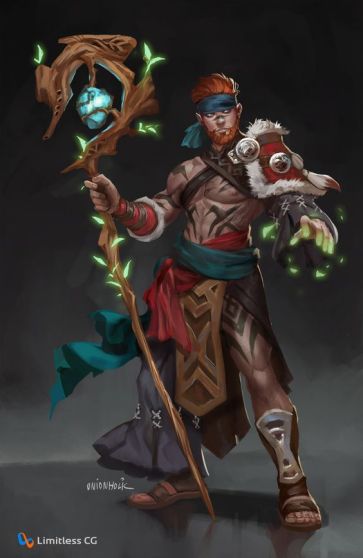
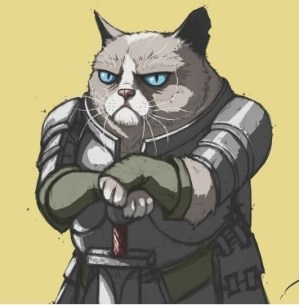
 and Pathfinder Roleplaying Game: Bestiary (Pocket Edition)

 and Pathfinder Roleplaying Game: Bestiary 2 (Pocket Edition)
 , sanctioned scenarios for use with the Starfinder Society Organized Play, or just want to read a nifty new adventure, we’ve got you covered! So sit back, and get ready to enter the Drift!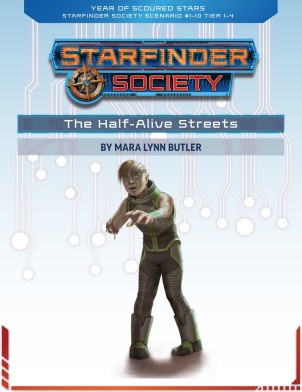
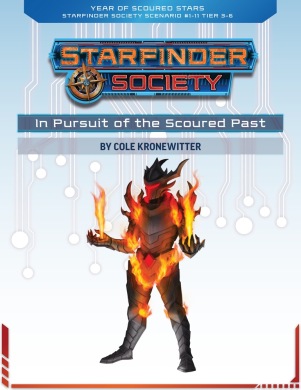


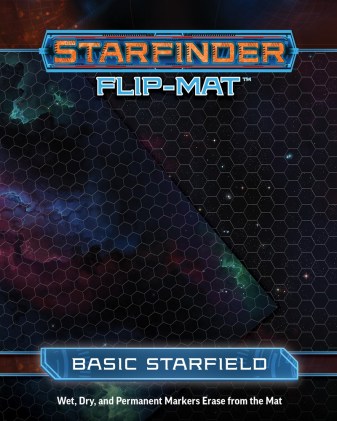


 is another beauty, but I knew that if I only invested in one pawn collection,

 My daughter’s favourite was certainly more expected: the cutest and cleanest looking ysoki in the set: The ysoki Star Shaman. And myself? I’m actually a big fan of the stealth drone, which turned out to be a cute little dog-bot!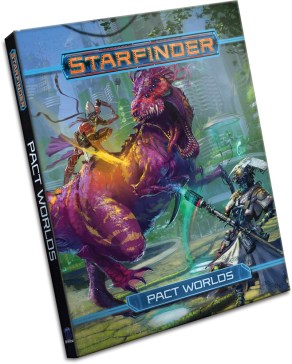

 . Dead Suns begins with
  , which I’ve found great fun. They’ve also announced the next Starfinder Adventure Path. For those of you who don’t know, Starfinder Adventure Paths are going to be of varying lengths. One six-part series, followed by two three-part series’. This means that once Dead Suns wraps up we’ll be treated to Against the Aeon Throne, which is a three volume series that begins at level one with

 , is due out later this month. If you’ve been reading my blog lately you’ll know that I’m super excited for this campaign, although I’m not yet lucky enough to own it. Last month
  came out, which admittedly, I’m not very excited for. But, later this month a sourcebook on the creepy nation of Nidal is released. Called
  , this IS a book I’m thrilled for. I’ve always been drawn to this ominous place and I can’t wait to see what they do with it. The Pathfinder Society has two neat scenario’s out this month. The first is

 , released in February, and volume two,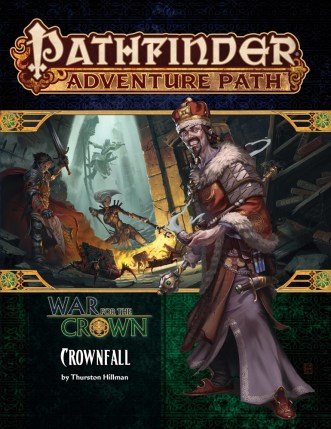
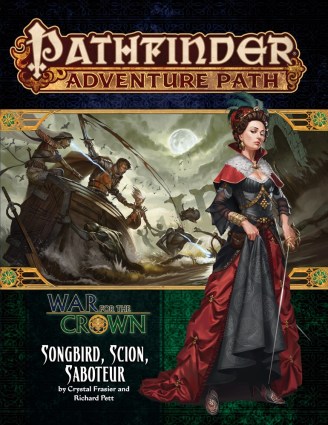
 or the
  ) as well as investigators (from the
  or the
  ) are the most obvious options, and probably the best suited to the campaign. But, I’m not one for optimization. I won’t play something just because it’s going to be the best or the most useful. It’s characters and quirkiness that I tend to enjoy most. So, I gave all the classes a lot of thought. I quickly narrowed it down to four classes that I was inspired to make. Yes, bard was one of them. I LOVE bards. Absolutely, positively, my favourite class. And although I’ve made plenty of bards, they all seem doomed to have their campaigns crash and burn and die. So sad. Which means that bard is once again a strong contender for class choice. I also adore occultists, and making one who utilizes ancient relics of Taldor sounds like a ton of fun. The third option I’m contemplating is the mesmerist. I recently had a chance to test one (finally) as a player for a Pathfinder Society Scenario and I just had a ball. I think mesmerist’s would be a great choice for this campaign. Both the occultist and mesmerist are from
  .
. , I haven’t had opportunity to play one before. And War for the Crown seems like the PERFECT time. Honestly! Is there ever going to be a better chance than this campaign? I highly doubt it. How can I resist?



 !
!
 , which was also released as a Player Companion back in April 2010. As a product from the Player Companion line, it’s a thin, soft-cover book intended for use by players, which clocks in at 32 pages in length. In my opinion, the Adventurer’s Armory was among the most universally useful books in the Player Companion line, so I was thrilled to pick up the sequel.

 d20 Diaries