Today we’re talking about a Kickstarter I’m super excited for: Realms of Atrothia: Primary Expansion which just launched this morning! I’ve already made my pledge (although my children are urging me to give more) and today we’re doing our part to make this book a reality!
So what is Realms of Atrothia?
In short, Realms of Atrothia: Primary Expansion is a high quality hardcover d20 book that offers players a rich new campaign setting, imaginative character options, and exciting game mechanics to play around with. It’s Pathfinder First Edition compatible, and scheduled to be released this fall. Realms of Atrothia is the brain child of my brother, Kris Leonard. Kris is the founder of Sunburst Games, an independant Tabletop RPG company focused on Pathfinder Compatible content for the next generation.
I’ve had the opportunity to create plenty of content for this amazing book already, which has been an awesome (and time consuming!) experience. Even more exciting, my daughter’s rabbitfolk race will be featured as a new primary race in Realms of Atrothia! She’s over the moon with this development!
Want more details? Read on for more information straight from the source: Sunburst Games mastermind: Kris Leonard!
“Realms of Atrothia: Primary Expansion is a hardcover book that will surely be the newest addition to any Tabletop Gamer’s library. With an expected release in fall 2019, our Kickstarter just launched this morning. Building upon the legacy of the Pathfinder Roleplaying Game, and the existing d20 game system which is over 35 years in the making, Realms of Atrothia: Primary Expansion includes all new game mechanics, and player options.
Featuring the Realms Campaign Setting, the Ascended system for running a game beyond 20th level, and expanded player content, including new archetypes, base classes, feats, gear, magic items, races, and spells, Realms of Atrothia: Primary Expansion is sure to capture the imaginations of Players, and GMs alike.
You can adventure through a whole new world with lost civilizations, unexplored jungles, and political intrigue abound. Dine with the Hegemony of Kalmarune’s vampire aristocracy. Contend with the Trennian Empire’s claim of national superiority through widespread use of black powder. Push back the ever-expanding armies from the forsaken lands of Xer-Kol whose fanatical peoples serve the whims of the god of corruption bound within their borders. The Realms of Atrothia await.”
Awesome! But, what will we actually be getting?
New Races
Packed with over 25 new playable races, Realms of Atrothia: Primary Expansion features an expansive array of racial options including Alternative Racial Traits, Favored Class Bonuses, Racial Archetypes, and Racial Feats. Including fully re-balanced Legacy Races already seen in the Pathfinder Roleplaying Game, as well as new Primary Races such as the Anithrope, Caitsith, Giantborn, Half-Troll, Hecavus, Immortis, Lupine, Minotaur, Rabbitfolk, Tortoisefolk, and Volaris. If that’s not enough, get ready for dozens of Monstrous Races, such as Cyclops, Dracolyte, Gargoyle, Harpy, Oni, Medusa, Moonbeast, Pixie, Sphinx, Treant, and Yeti! These are powerful races which are modified for play at 1st character level, but cannot reach full strength without pursuing the Exemplar Primary Class for one or more levels.
New Classes
New heroes have arrived with Realms of Atrothia: Primary Expansion. Featuring seven new Primary Classes including Artificer, Erudite, Esoteric, Exemplar, Knight, Priest, and Spellsword, as well as dozens of new Class Archetypes for both the Legacy Classes already seen in the Pathfinder Roleplaying Game and the Primary Classes. In addition they’re introducing a new kind of archetype: Universal Archetypes, which can be taken by any class.
New Worlds
Get ready for a whole new world of adventure! Realms of Atrothia: Primary Expansion includes a new Campaign Setting, the World of Atrothia. Featuring over 25 new deities, including the redeemed knight Davros, and the corrupter Xeronoth, and more than 50 regions to explore, such as the undead aristocracy of the Hegemony of Kalmarune, the pinnacle of prosperity that is Palisade, and the unexplored reaches of the Mogen Wildlands.
New Equipment, Spells, and Game Mechanics
But, that’s not all! There’s new equipment, magic items, spells, and feats for characters of all kinds. There’s also new game mechanics, including the Ascended System, which allows for high level play past 20th level, and ascending to godhood!
To learn more about Sunburst Games, Realms of Atrothia, and their products be sure to check out their website: SunburstGames.com! Want to support the Kickstarter, see some awesome artwork, or find out more? Click here! You’ll be happy you did!
Thanks for joining us today. We hope you enjoy taking a look at Realms of Atrothia!
Dream big,
Jessica
Ai the Golden Blade, CG Female Human Exemplar
Sir Lucius Ironfell IX, LG Male Immortis Knight
Metzal Tzalamas, CN Male Giantborn Esoteric
Rosie Rightfoot, LG Female Rabbitfolk Priest
Galdar Kelitos, LN Male Theopian Minotaur Spellsword
The Shackled City Adventure Path is a 3.5 Dungeons and Dragons Adventure originally printed in Dungeon Magazine by Paizo Publishing.
When we last left off our heroic musicians were investigating a series of missing person cases which recently culminated in the abduction of four children from a local orphanage. Fate led to our characters taking the rescue of these people upon themselves! If none of this sounds familiar you can read this blog post first, which details our characters, or continue on with this article to read a quick summary and jump right into the action! You can also check out our previous adventures in Shackled City: Part One, Shackled City: Part Two: A Mystery!, and Shackled City: Part Three: Jzadirune.
The Shackled City Adventure Path is available for purchase in its entirety here. The first volume, Life’s Bazaar, is available for purchase here.
The Heroes
Our eccentric heroes are all members of ‘Dinorabbit,’ a musical band that changes its name frequently and was most previously known as ‘Boople Snoot.’ The band’s lead singer and song-writer is Falco Rhiavadi, a foppish noble bastard of mixed Tien descent whose father was devoured by a dragon when he was just a boy. A well-groomed, handsome man with an easy smile and a winning personality, Falco’s a black sheep among his family. Mechanically Falco is an oracle of life whose familiar is a jealous and demanding thrush named Ruby. Falco is played by my husband.
Mick Frimfrocket is a gnome with dark blue skin, bright pink hair that stands straight up on his head, and light blue eyes with flecks of red around his pupils. He’s energetic, bold, and loves nothing more than a good laugh! Mick acts as the band’s pianist and creative director. He’s the driving force behind the band’s constant name changes, and over-the-top performances. Mick was born in Jzadirune but was brought to the city of Cauldron to escape the Vanishing. Orphaned by the mysterious events and with few memories of those early years, Mick was raised in the Lantern Street Orphanage — the very same orphanage that recently had four children kidnpapped right from their beds! Determined to save those little scamps, Mick was very excited to take up this missing person’s case and follow it to its conclusion — particularly when he realized that it led to his one-time home. Mechanically Mick is a monk / bard (prankster) who attacks with wild kicks while playing his piano in battle. Partway through exploring Jzadirune he came into possession of a broken magical construct. He’s played by my seven-year old son.
Rabbity Castalle is a rabbitfolk waitress who works at the Tipped Tankard Tavern. A dancer and singer for the band Dinorabbit, Rabbity also has a pet panther named Panthy. She’s lucky, nimble, and quick, but a little skittish. One of her co-workers is one of the people who was recently abducted, so she’s very keen to solve this mystery and return him home. Rabbity is a hydrokineticist played by my six-year old daughter, using the rabbitfolk race. Rabbitfolk are a Pathfinder Compatible race created by my daughter (with some help) which will soon be published in the upcoming Realms of Atrothia: Primary Expansion by Sunburst Games (Kickstarter coming in February!)
The final member of our party is Aeris Caldyra, a local locksmith who was cajoled by her roommate, Rabbity, to join the band as a percussionist and set designer. With few friends to call her own, Aeris relented to the rabbitfolk’s request and is the least talented member of the band. The last worshipper of Alseta in Cauldron, with more than a few secrets and regrets, Aeris is a suli bloodrager with a chip on her shoulder. Always one to lend a hand, like her Grandfather Marzio once would have done, Aeris is determined to rescue the missing citizens of Cauldron. Aeris is my character for the Shackled City Adventure Path.
Although that’s the last of our PCs, that’s not the last of our party. The members of Dinorabbit are also travelling with two NPCs: Patch, the half-orc janitor, and Keygan Ghelve, a local locksmith.
Patch is a big, stuttering, fool who works at the Lantern Street Orphanage — the very same place he was raised. Patch recently got recruited to the Last Laugh Thieve’s Guild and was asked to watch over an orphan named Terrem. Unfortunately, Terrem was kidnapped on the very evening that Patch went out to meet with with the guild. Distraught over the boy’s disappearance, Patch was pressured by Falco and Mick into helping them rescue the kids. And so, the poor one-eyed janitor finds himself heading into danger.
Keygan Ghelve is a gnome locksmith and competitor of Aeris’. He’s also the reason people are going missing! Months ago strange creatures came up from Keygan’s basement — which leads to the abandoned gnomish enclave of Jzadirune — and kidnapped his rat familiar! They forced Keygan to forge them a set of skeleton keys that can open the locks he’d installed in Cauldron, and a list of all his customers. In the months since, skulks and dark creepers have used his home as a way station, heading out into the city, abducting people from their homes, and dragging them back underground through his basement. Keygan feels guilty, but he’s more worried over his rat than anything! The members of Dinorabbit followed clues that led to Keygan’s shop and discovered his role in the abductions. Although Aeris wanted to turn him in to the guard, the Falco and Mick insisted he come with them if he wanted to save his rat. He’d need to help rescue the kidnapped citizens of Cauldron and undo the damage he’s facilitated.
Aeris decided that after that she’d still have him arrested. She’s a stickler for the rules. …Usually.
Mick Frimfrocket with his construct. Aeris and Patch can be see in the background.
The Adventure
Our eclectic team of musicians, janitors, and locksmiths, descended through hidden passageways, into the long-abandoned gnomish enclave of Jzadirune, on the trail of subterranean kidnappers! In time they discovered that the kidnappers had been using Jzadirune’s ruins as a base of operations. Although our heroes battled the skulks and their dark creeper minions, my players never found any signs of the kidnapped citizens of Cauldron.
What they did find was a door. The door led to a platform that, with the flick of a switch, descended down a shaft into the darkness. When the doors opened they found themselves someplace else. Someplace new. A place of dwarven construction, made from malachite.
My son and daughter gasped in shock!
“MOM! MOM! The riddle! The riddle says something about that mal-kite! We are almost there!”
My son read the riddle a few more times and double checked the notes that he keeps in his detective’s notebook (which is a copy of Detective Murdoch’s notebook from Murdoch Mysteries). “Hmmm… Yup! Those kidnappers must have been working for a duergar! He’s the true culprit!”
My daughter clapped her hands in glee. “Yes! We are almost there! I have to save my good friend Griffin who I work with! He was supposed to be married! His girlfriend is so sad she cries everyday! We must hurry! He could DIE!” She says the word ‘die’ with such drama. It’s adorable.
Aeris and Falco led the way, with Mick, Rabbity, and Panthy travelling in the middle of the group. Patch and Keygan took up the rear, with the cowardly locksmith strongly debating running away when no one was looking.
The team!
Our heroes entered the main hall of the fortress only to realize that the strange stone sculpture in the middle of the room was actually an earth elemental known as a stone spike! The beast slammed into Aeris, causing heavy damage and surprising the party. The battle was over in just two rounds, with Aeris and Rabbity dealing heavy damage to the brute — Aeris bloodraging with her longsword and Rabbity with her water blasts. Mick inspired the group with his wonderful piano music. Falco and Patch had poor luck, not landing a single blow against the creature. And Keygan? Well, he didn’t even try to help. He just lingered at the back near the elevator, ready to flee if the party died.
The battle with the stone creature drew forth an ogre from a nearby chamber. The brute stunk like garbage and wielded a filth encrusted falchion which he swung around clumsily.
“More carrion for my larder!” the brute bellowed. “Very nice!”
“Carrion?!” My son exclaimed. “I know that word! I am not carrion!” He waved his arms around and pointed at the offending miniature ogre on the table. “I am a SINGER! Face the wrath of Mick Frimfrocket!!!”
Unbeknownst to my players the ogre was Xukasus, the fortress majordomo. The ogre was actually an otyugh, polymorphed into the form of an ogre long ago and his room, which was just off of this entry hall, was a massive heap of sewage, gore, and garbage. As the smell trickled out into the entry hall Keygan and Rabbity gagged. By the start of this fight Aeris was already heavily wounded from battling the stone spike. Falco gave her what healing he could and then she strode off, ready to intercept the ogre and protect her fellow bandmates. The battle was a tough one, with Mick urging Keygan to get into the fight and help. The gnome begrudgingly obliged, getting up close and sending a colour spray at the ogre!
Which didn’t work.
Keygan was nearly chopped in half by a falchion for his trouble, and tossed into the ogre’s bedroom for snacking on later.
(…Whoops!)
Aeris too, nearly fell, but Falco and Mick managed to keep her standing long enough with their magic that she took down the disgusting ogre. The group rescued Keygan, healed everyone back up to full hp, and searched the entry hall for anything of interest. After some hesitation they searched the ogre’s room as well. They spotted an iron chest in a massive pile of dung. They debated some more, then decided that whatever look was in that chest could stay there. They didn’t want it that bed. Not if poop was involved!
Which is too bad! It had a good deal of treasure in it. Haha.
Mick used his magic to clean everyone up, and then the group looked around. They discovered two secret passages, chose one at random, and continued on. They found themselves in a dead end hallway, which led to another secret door and a secret armoury filled with racks of armour and weapons. The group took it all — being in a band didn’t earn them much income! — and gave the construct some big sacks of gear to carry. Then they continued on again, finding themselves in a hot, stuffy forge.
There they finally found their first citizens of Cauldron! The dwarf, Sondor Ironfold, worked ceaselessly at a forge alongside three goblins. Nearby two other halfling victims, Jeneer Everdawn and the rogue Maple, sat in the corner putting together chainmail suits one link at a time. Four hobgoblins stood watch in this chamber.
As the group entered the room Panthy growled, low in her throat, and Rabbity launched a blast of water at the nearest hobgoblin. “Get ’em, team!” she called out.
The battle had begun!
This fight was a long one, with plenty of characters on both sides of the fight. The PCs and their allies fought the goblins and hobgoblins in relatively tight quarters, with the dwarf prisoner giving some goblins a few swings of her hammer, and the halfling prisoner Maple giving a hobgoblin a knife to the back. Only Aeris ended up getting hit with any frequency — due to her position on the front lines, not a lack of armour — but even then she only took a total of eight damage through the entire encounter. All our others heroes came out of it unscathed.
When the hall fell silent except for the crackle of flames my kids took it upon themselves to explain to the prisoners that they were about to be rescued by Dinorabbit — the coolest band in Cauldron! Maple was thrilled. Jeneer was clearly delirious with fear. And Sondor was… sad, quite frankly. She dropped her hammer to the ground and cried. They thought it was relief, at first, but it soon became clear Sondor was in mourning. She and her husband had been kidnapped together, but her husband had been sold as a slave four weeks ago. She knew she would never see him again.
My kids were quiet for a moment. It was the first time that they realized they might not be able to save everyone. People had been going missing from Cauldron for a few months. If their captures were slavers, surely Sondor’s husband wasn’t the only one who had already been sold…
My husband pulled out his list of missing people and put a little checkmark beside Maple, Sondor, and Jeneer. Then he crossed out Sondor’s husband, Lorthan. The look on my kids faces when that poor guy’s name got crossed off was a strange mix of solemnity and determination. It’s not a look I see on them often. Or ever, really.
“We’re going to get these people to safety right now!” My son / Mick announced.
My daughter shook her head. As Rabbity she said: “No! I’m not leaving here without Griffin! He is my friend and his fiancé cries too much with him gone!”
Mick grinned and pointed at Keygan. “He’s going to do it! Keygan! You get your wish! You have your rat back, and now your job is to bring these people into the elevator, up through Jzadirune, and back to Cauldron. Bring them to the Church of Adabar. That lady named…” My son paused. “I forget her name.”
“Jenya Urikas?”
“JENYA will help you! Now GO! Save people and redeem yourself!” My son pointed around grandly used his ‘serious hero’ voice.
“Yeah! And bring these bags of loot up with you!” Rabbity added practically. “Then the construct can help us fight again!”
Keygan, of course, needed no further encouragement. He groaned in relief, grabbed some bags, and left without even a goodbye. The newly liberated citizens of Cauldron followed after him, with Maple and Sondor lending a hand with the loot.
Our heroes stood alone in the forge for a few moments.
“Aww!” My daughter suddenly exclaimed. “We should have taken the stuff from these dead hobgoblins before sending Keygan away! Now we have to carry it!”
I laughed.
The group took what gear they could from the bodies, and explored the room. There were two doors leading deeper into the complex. My kids started to argue over which door to open, which is a sure sign that they’re getting tired. We paused the game there, with promises to play again soon. After all, they still had people to save!
Thanks for joining us, everyone! I hope you enjoyed getting to hear a bit about our crazy adventures. We’ll see you again soon!
Jessica
Life’s Bazaar is the first adventure in the Shackled City Adventure Path.
Behind the Screen
The Shackled City Adventure Path is a difficult to get your hands on adventure path published in eleven separate Dungeon Magazines, or available in hardcover from Amazon here or from Paizo Publishing’s website here. The first adventure, Life’s Bazaar is available in Dungeon Magazine #97 from Paizo’s website here.
Despite being a 3.5 Dungeons and Dragons Adventure Path, we’re running this campaign in Pathfinder (both the campaign setting and the rules). Our characters utilize the following: The shaman and the bloodrager classes, as well as the bloodrager archetype spelleater, can all be found in the Advanced Class Guide. The urban bloodrager archetype can be found in Heroes of the Streets. The Kineticist class can be found in Occult Adventures. The monk and bard are base classes found in the Pathfinder Roleplaying Game: Core Rulebook (or in a convenient travel-sized edition: Core Rulebook (Pocket Edition) while the prankster archetype for bards can be found in the Advanced Race Guide.
Quite a few months ago a fellow gamer recommended my family give Tails of Equestria: Storytelling Game a try. I looked into the game, and told my daughter and son all about it. They were extremely excited. The problem?
Finding it.
Although I was able to find a copy of the rulebook on some American and European retailers websites, I could not find this RPG in Canada. None of the local game shops had it, Amazon had only German language copies in stock, and Indigo was sold out completely. We’ve been keeping our eyes open in the months since and, although I did see a copy turn up once or twice, it was never for long (or affordable!).
And then Christmas came. My daughter, in a stroke of brilliance, asked our only relatives that live in the States for My Little Pony: Tails of Equestria: Storytelling Game for Christmas. She typed out the title of the book she needed to play, and then all of the other supplement books she wanted, and assured me that YES, she would definitely be happy with a big pile of books as a Christmas gift, and YES, she was sure that’s what she wanted.
My daughter was thrilled. So was my son. And honestly? So was I. I had heard wonderful things about this game and, although it wouldn’t become my favourite game anytime soon, it looked like a ton of fun. Definitely something my kids would enjoy.
After squealing in glee and obsessing over some of the cool pictures inside she put down the books and moved on with the rest of the holidays. She tried out new toys and video games. We learned how to play our new board games. And at the end of that first weekend after Christmas she held up her books and gave me a big grin.
“Will you read this with me now, Momma?”
I was about to head out for a trip to the laundromat, so it wasn’t exactly the ideal time. But, I’ve never been one to say no to a kid with a book, so I put aside all the work I was going to bring with me and packed up my kids and our hardcover book instead. Clothes in the wash and water bottle in hand — reading an entire RPG core rulebook aloud is thirsty work! — we settled in to learn a new d20 game together.
The book is bright, colourful, and engaging. It’s simple to understand but doesn’t talk down to you. It is perfectly written for its audience. Seriously. My daughter is in grade one and not only did she follow along with everything I was reading to her (and pay attention!), she understood the game and its rules immediately. I never had to stop and explain anything further than the book already had. I never had to give her an easy example to illustrate a rule. Nothing. She listened and understood. My son, who is only a year older than her, could have read the entire book by himself and understood it. In fact, my daughter probably could have read it herself too, but that’s not typical for kids her age (both of my kids are very strong readers). We weren’t done the rulebook by the time we were done at the laundromat, but after we got home my daughter sat down beside me on the couch and we finished it. Cover to cover in few hours. She was practically bouncing in excitement.
“Can we make our characters now?”
So we printed off some fancy character sheets, called over my son, and got creating! The entire process took us around an hour, which included drawing and colouring our ponies. Follow-up ponies we made took much less. About fifteen minutes from start to finish.
We were ready to play!
…sort of. We still had to convince my husband to make a character so he could join in on the game. Haha. I’ll share more details about our first gameplay experience in an upcoming blog post later this month, but for now, we’re going to talk about the rulebook itself. Interested? Read on!
Tails of Equestria: Storytelling Game is an easy to understand pen and paper roleplaying game featuring the world and characters of the hit TV show My Little Pony: Friendship is Magic. The game is aimed at children, but is definitely fun for the whole family. A hardcover book 151 pages in length, this tome is packed full of artwork, and is written in an easy to read font (and font size). Licensed by Hasbro, published by River Horse Games (in Europe) and Shinobi 7 (in the USA and Canada), and written by Alessio Cavatore, Dylan Owen, and Jack Caesar, this book’s suggested retail price is 25 pounds, 30 Euros, 35 American dollars, or 40 Canadian dollars. Of course, that cost will vary a lot depending where you pick it up. I found forty five is more typical online in Canada (if you manage to find a copy in stock at all). The book is sturdy and well made — a must have for kids books! The front cover features an image of the three iconic Tails of Equestria ponies navigating the wilds with a castle in the background. Firebrand, the iconic unicorn takes the lead, with Thrilly Filly the pegasus flying above, and Strong Oak the armoured earth pony alert at the back of the group. My kids love the art, which is drawn by Amy Mebberson, but its the back of the book that really shines for me.
I remember when I was in junior high there was a Chapters nearby that I went to constantly. On one visit I passed by the Dungeons & Dragons Player’s Handbook and stopped in my tracks. I picked it up and flipped through it. I knew in my gut I wanted it, but I had no idea what it was. None. Eventually I put it back and moved on. Every visit afterwards I passed by that book and picked it up. But I never bought it. Not until many years later when someone actually explained to me what the heck D&D was. By then the book store wasn’t even open anymore. I would have liked to buy it from there. But this? This book doesn’t have that problem. Right there on the back cover it explains what this book is, how you use it, and what it’s for. It’s written in simple language that any kid or parent (or grandparent!) can understand. It’s simple, clear, and concise. I love it.
Seriously.
I love it so much I’m going to let you read it for yourself.
“What is this book?
Hey there! So I imagine you’ve picked up this book knowing a little bit about My Little Pony: Friendship is Magic. You’ve probably had a quick flick through the book and are wondering exactly what it is.
This book is a manual for a storytelling game, which allows you and your friends to create your very own pony characters to explore the amazing and magical world of Equestria — will you be a dynamic adventurer like Daring Do or a bold treasure hunter like Rarity?
Wait, wait, wait! You said this is a game, but this is clearly a book!
You’re right, but it’s actually both a book and a game. This book contains rules and a story. Rules that will tell you how to make a strong, clever, or charming pony. A story that you and your friends will enjoy, where the choices you make will change the story itself until you are telling the story as much as the book or the GM.
GM… what is that?
A GM (gamemaster) is a player at the table, but instead of playing as a pony, he or she will play as a storyteller, impersonating all of the ponies you meet, the beasts you face, and the challenges you have to overcome. Think of the GM as a narrator in a movie — it is his or her role to tell the players exactly what is happening in the story and what the outcomes of their actions are, depending on their choices.
Cool! How do I win?
Winning a storytelling game is very easy; you just need to have fun! Tails of Equestria is not about getting to the end of the board or having the most points, but all about having fantastical adventures and using the magic of friendship to overcome any obstacle that stands in your way, You and your friends, including the GM, are all on the same team — as long as everypony is having fun, everybody wins!
So open up Tails of Equestria and be prepared to enter a world of magic and friendship.”
See what I mean? Simple, approachable, and understandable. This isn’t just a book for RPG gamers. In fact, most of the kids who pick up this book won’t have played a pen and paper RPG at all. This is a book that can guide kids to becoming RPG gamers in a way that’s fun, cool, and tailored to them. It’s really well done.
Tails of Equestria: Storytelling Game is split into fourteen sections: twelve chapters, an adventure module, and the appendix. The chapters are each colour coded, which makes the book super easy to navigate and has the added bonus of making it look like a pleasant rainbow. Even better, the chapters are well ordered. One naturally progresses into the other in a way that just makes sense. It’s perfect.
The book starts off by explaining what a roleplaying game is, how to play them, what you need to play, what kind of dice the game uses, and some other supplemental material that some people like to use but isn’t mandatory. It mentions other Tails of Equestria products (like dice sets, gaming screens, and ‘tokens of friendship’), but also offers free solutions. It suggests using beads, buttons, and other small objects as ‘tokens of friendship’ and recommends free dice rolling apps. It also has dice charts in the back of the book so that all you need to do is flip to the proper chart, close your eyes, and point, to figure out what you’ve rolled. Offering these free alternative options in a way that makes it seem normal and acceptable is really important. Parents don’t want to be shelling out a ton of money after already having paid for a rulebook. Also, kids who do use buttons and the dice chart don’t need to feel like they’re left out or ‘making due.’ It makes it clear that you don’t need fancy supplies. You just need this one book. There’s also a short section intended for parents, which explains some of the benefits of roleplaying games.
Tails of Equestria: The Storytelling Game then moves on to character creation, which takes up the majority of the book. The first thing you need is a character sheet. One is provided in the back of the book, which you can photocopy. You can also go here to download a variety of character sheets for free. They have blank sheets and ones with male and female ponies, pegasus, and unicorns pre-outlined. My whole family loves those ones, so I highly suggest you give them a gander. Once you’ve got your pony sheet ready you need to choose your pony type.
Players can choose to be an earth pony, pegasus, or unicorn. Earth ponies are hardy and strong. They gain the stout heart trait, which allows them to really push themselves to accomplish a physical task once a day. They also have higher Stamina (which is your hp) than the other pony types. Pegasus and Unicorns are less hardy than earth ponies, but have special abilities of their own. Unicorns can use magic. They begin the game with telekinesis and can make their horns glow. As they level up you can select more magical powers with them (if you want) such as force fields, stun rays, and teleportation. Pegasus can fly and walk on clouds. As they level up you can even learn to control the weather. There is a fourth type of pony in My Little Pony, the alicorn, but it’s off limits to players. Although kids will likely be a bit sad about that, the book explains quite clearly why, which was more than enough reason for my kids. After all, only Princesses of Equestria can be alicorns, and those thrones are all currently taken.
Once you know what kind of pony you want to use you write down your level, which is one. Then you select your Element of Harmony. This doesn’t have a mechanical effect. It acts more like a a guide to help you and your fellow players know what personality trait your character is most tied to. The Elements of Harmony are generosity, honesty, kindness, laughter, loyalty, and magic (which is a balance of all of the others). Once you’ve chosen your Element of Harmony you allocate your statistics.
Before we get into that, though, let me give you a little context about how this game works. Every pony has three main statistics: Body, Mind, and Charm. Each of these statistics will have a dice type associated with it. In this game your lowest statistic and traits will use a d4, but will increase as you level up, moving on to a d6, d8, d10, and so on. Low dice are bad, and high dice are good. Simple.
If you come across an obstacle — things like kicking down a door, untying a knot, or climbing a cliff — this is called a Test. Your GM selects the Test’s difficulty from a simple chart. Then the players roll a dice for the stat most applicable. Kicking down a door or climbing a cliff would be a Body check, discovering a clue or solving a riddle would be a Mind check, and making friends or telling a joke would be a Charm check. If you beat the DC you pass and if you’re under the DC you fail.
If you happen to have a skill that could also apply to whatever you’re trying to do, like bucking to kick down a door, or keen knowledge (geography) to find your way in the wilds, you get to roll that dice also and keep the better result. For example, if a pony with a Body d4 and Bucking d6 wants to kick down a door, they roll both a d4 and a d6, then they choose which die result they want to keep.
If you’re making a check against a different pony or an opponent, this is instead a Challenge. Examples of this include a baking competition, a race, or a debate. In this case the ponies and opponents involved roll the appropriate dice and the highest outcome is the winner.
Battles are a special type of challenge called a Scuffle. This works just like a regular challenge, except that the loser loses an amount of Stamina equal to the score rolled by the winner. So, if a pegasus and a timberwolf get into a scuffle, they each roll a Body check. If either of them has an additional trait that would be useful they roll that as well and keep the better of their rolls. If the pegasus rolled a 4 and the timber wolf rolled a 6, the timberwolf has won the round and the pegasus loses six Stamina. When you start the game your ponies will have either 10 or 12 Stamina, so battles tend to pass quick. Its a fun and simple way to handle combat. However, it should be noted that scuffles aren’t a major part of Tails of Equestria. Its much more likely ponies will avoid combat with clever roleplaying, creative thinking, and teamwork.
There’s a bit more to rolling than that. Rolling a 1 results in an automatic fail and is called Bad Luck. Beating a Test by double its difficulty is called an Amazing Success, and means something wonderful happens. Rolling maximum on your dice is called an Exploding Hoof and allows you to immediately roll on a dice one step higher (from d4, to d6, to d8, and so on). If you roll higher than your previous roll you can use the higher result, otherwise you keep your previous die roll. And if you roll maximum again? You go up another dice step and keep going. These all turned out to be fun additions to the game. My kids particularly enjoyed the Exploding Hooves. Haha.
Now that we’ve got the basics covered we can jump back into character creation.
All ponies begin with a d6 in Charm (which is your social statistic). Then you get to allocate a d4 and a d6 to the other two stats, which are Body (the physical trait) and Mind (your mental stat). Smart and clever ponies will want to put their d6 into Mind and their d4 into Body, while tough or nimble ponies will want to put the d6 into Body and the d4 into Mind. Earth ponies are a special exception and instead count their Body as one dice type higher, meaning an earth pony’s starting statistics will either be Body (d8), Mind (d4), Charm (d6) for strong ponies, or Body (d6), Mind (d6), Charm (d6) for brainy ponies.
Once you’ve chosen your statistics you calculate your Stamina. This acts as your hp, and is the sum of your Body and Mind stats. This means that pegasus and unicorns will have 10 Stamina to start with, while earth ponies will have 12. Failing Tests, Challenges, and Scuffles can lower your Stamina, as can lack of sleep or a poor diet. You can recover Stamina by resting, eating a good meal, or using Ponybalm (which is like a healing potion).
Now its time to select your Talents, which are sort of feats, special abilities, and skills all rolled into one. Each pony type starts with their own Talent. Earth ponies have Stout Heart (d6), pegasus have Fly (d6), and unicorns have Telekinesis (d6). At level one you also get to select one other Talent from a list, which is tied to your Cutie Mark and is your specialty. This Talent should be a huge part of your character and shape their outlook, personality, name, and so on. There’s a decent sized list of Talents to choose from, many of which have an unlimited number of subtypes. Keen Knowledge, for example, is knowing a lot about a specific topic, but what topic is entirely up to you. Similarly, Creative Flair is something creative that you’re particularly good at, such as baking, comedy, or painting, and Special Skill is something physical that you’re talented in, like bucking, gymnastics, or sneaking. Other Talents are more specific. Healing Touch, which was my personal favourite, allows you to heal an ally, while the Stare allows you to fascinate or command someone to do something. Finally, some talents can only be taken by a specific type of pony. Only unicorns can use magic, for example, and only pegasus can fly. Although the list is nice and allows for a lot of variance between characters, I found myself wishing it was a little longer. Fortunately it’s mentioned that players hoping to create something not on the list can do so with approval from their GM. Although my family has made a few ponies already, we haven’t had the need to do this yet. So far the written Talents have been more than enough.
Whichever Talent you select at level one begins at a d6. Throughout the game you’ll have the chance to upgrade the dice types of your various Talents, and learn more. Any Talents learned later begin as d4s though, so choose wisely.
Once you’ve decided on your Talents you get to pick out a Quirk, which is a character flaw. Again, there’s a decent array of options and, again, I found myself wishing there were more. Fortunately, some of them can be incredibly varied. Fear, for example, is a fear of a specific thing (like spiders or heights). Allergies and Oooohhh… Shiny! are equally variable. The others, such as asthma, blunt, messy, and overconfident are much more specific. Again, as with Talents, players have the freedom to create their own Quirks with GM approval. So why would your pony want a flaw, anyway? Quirks will influence your character’s personality and make them unique. It gives kids something fun and often comical to role-play, and teaches us that no one is perfect. But it has an in game effect as well. Every time your ponies face their fears they get rewarded by the GM. My kids loved this and really embraced their ponies Quirks. It turned out to be a lot of fun.
By now your pony is nearly complete. You’ll need to design their Cutie Mark, draw your pony, and give them a name. Some of the ponies my family created included Soothing Heart the over-prepared earth pony mother, Flying Recall the mystery solving pegasus with a sixth sense for trouble, Bunna the stuffed animal seamstress unicorn who can talk to animals, Nugget the unicorn artist who hopes to draw every magical creature in existence, and Thunderhoof the kung-fu fighting earth pony who wants to be an action star. All in all, this game allows you to make unique ponies with only a short amount of work. It’s a fun, streamlined process that everyone enjoyed.
What’s left? Gear. Now, most ponies don’t need to pick up any gear to start. But some, such as adventuresome ponies or those who have a goal or job in mind, will want to spend some of their money — called Bits — on gear before they begin the game. There’s a solid list of equipment you can purchase in the game, with enough variability that nearly all characters should find the things they need (or a similar item whose cost they can use). Whether you decide to spend your bits or not, each pony begins with 400 bits. In between adventures your ponies can earn 200 bits per month plus or minus d20 bits, as determined by the GM. All in all we found that bits and gear were a nice and important addition, but not integral to gameplay.
Finally, players determine how many ‘Tokens of Friendship’ they begin the game with. These are special crystals (or beads, buttons, and so on) which you can use to reroll dice, automatically pass a failed roll, or slightly change the storyline (depending on how many you spend). You begin the game with Tokens of Friendship equal to the number of people you are playing with (including the GM). You also gain more at each level up. If you decide to use your tokens to help out someone else, you reduce the cost of spending Tokens of Friendship. In very rare circumstances, players and characters who are particularly kind can also be gifted a bonus Token of Friendship by the GM. We found that this was a really fun aspect of gameplay that everyone got into the spirit of.
As you adventure your characters will learn and grow. Tails of Equestria does away with experience points, instead allowing ponies to level up after every adventure — or in between sessions if an adventure is particularly long. When a pony gains a level they increase one of their Statistics (Body, Mind, or Charm) by one die type (a d4 becomes a d6, a d6 becomes a d8, and so on). If they choose to increase Body or Mind this also creases their Stamina accordingly. For every Talent that you used in the previous adventure you increase it by one die type as well. Then you either select one Talent you didn’t have a chance to use and increase it by one die type, or you select a new Talent to gain at d4. Finally, your characters gain a number of Tokens of Friendship equal to the number of players (including the GM) who participated in the last adventure. very rarely you can select a new Quirk if you want, but it has to be for something that happened during your adventure, and each pony should do this only once or twice. For example, if your earth pony fell in a pit full of snakes and you role-played them being horrified by the events they might take the Quirk fear (snakes). This approach is simple and easy to understand, but you’ll soon see your PCs all branching off in different directions the more they level up.
With character creation and the basics of the game out of the way, Tails of Equestria: The Storytelling Game goes on to further explain gameplay for players and GMs. Which should bring us to the end.
Only it’s not the end!
This book also comes with an adventure for first level characters called The Pet Predicament. I cannot express how happy I was to discover this. Particularly after I read it! It is honestly the perfect start adventure for this game. And, it’s not a short or cheap adventure, either! It’s forty pages in length if you count the stat blocks it comes with. It took my family two sessions to play through, though my kids were so engrossed they wanted to play it in one. But, alas! It was bedtime. Haha.
In a practical sense, this adventure is incredibly important. It provides a first adventure for players to use, and teaches them how a game should be run by example. For experienced players it also serves to alter our preconceptions about RPGs, and really shake things up. That’s because Tails of Equestria isn’t the same kind of RPG as Pathfinder or D&D. It downplays battle, and really encourages players to use creative thinking, kindness, teamwork, and roleplaying to overcome obstacles. This game requires a different mindset than other RPGs. Happily it’s a mindset that kids and young players will naturally settle into and flourish. I honestly cannot be happier with how this game played.
So what is the Pet Predicament? I mentioned it was the perfect starter adventure for this game and I meant it. It’s well written, engaging, and fun. There’s plenty of opportunity for Scuffles, but just as many chances for players to completely avoid Scuffles with Tests an Challenges. It features the Mane Six (main characters) from My Little Pony: Friendship is Magic as initial NPCs, and leaves the PCs as their pet-sitters. Any kids who has seen the show will be absolutely thrilled at this turn of events. Getting to meet such famous characters is enough to make many kids squeal in glee, and finding themselves the caretakers of all six of their pets? I’ve never met a kid who doesn’t love animals! Both my son and daughter got super into this adventure. They did their best to take care of the animals, feed them their favourite things, pamper and play with them, and so on. Unfortunately for your pet-sitters, not all of the pets are well behaved. Fluttershy’s rabbit, Angel, is a menace (as fans of the show will know!). My daughter, who adores rabbits, had a ton of fun dealing with the fluffy little terror. But, like all good adventures, something goes wrong. And this time? There’s definitely a rabbit to blame! The pets soon get lost in the dangerous and spooky Everfree Forest, and its up to your PCs to rescue all the pets, brings them back to Fluttershy’s cottage, and clean up. Their adventures will present them with all kinds of obstacles, Tests, and Challenges. Rescuing each pet will take creative thinking and teamwork. How each task is accomplished is incredibly open ended, which really allows your group of PCs to use their own unique approach to get things done. I’ll refrain for spoiling any more of the adventure, but I will say that it’s a delight to read, GM, and play. Everyone in my family had a blast (including my husband). The ending also had my kids hooked, as it leads directly into the Tails of Equestria: The Curse of the Statuettes adventure (although the book also encourages kids to create their own adventure with the cliff hanger ending as an opening plot hook).
In the end, my entire family loved Tails of Equestria: The Storytelling Game. It’s fun, fast-paced, and simple, but offers everyone at the table plenty of opportunities to role-play and work together. I had a blast sharing this game with my kids. And my kids? They couldn’t be happier. In fact, my daughter is sitting in her bed with a little notebook and her rabbit pen creating another character as we speak.
Like previous Alien Archives this book is going to contain over a hundred aliens for allying with or fighting against, as well as over a dozen which can be used as player races. Starmetal dragons, living holograms, ‘body-snatching flayer leeches’ and irokirois from Osoro have all been confirmed to be in the book. Playable alien races include an intelligent swarm of tiny insects and a bioluminescent cephalopod.
As an added bonus Alien Archive 3 is going to contain some other player options and gear, which is a nice change of pace. Best of all? Rule for pets, mounts, and combatant creature companions! My daughters dreams have just come true. Haha.
Pre-order for Alien Archive 3 is scheduled to begin in August 2019.
Today we’re going to take a look at the two most recent Starfinder Society Scenarios that are currently available for purchase, and let you know we thought. Although you’ll find references to events in each that I liked or disliked, and comments about specific characters, these scenarios are not explored in detail. It’s not my intention to spoil the events in these scenarios, or give summaries and full reviews, but to share my opinions and provide recommendations. That said, if you want to avoid even minor spoilers I recommend you check out a different article. Whether you intend to use them in home games of the Starfinder Roleplaying Game, sanctioned scenarios for use with the Starfinder Society Organized Play, or just want to read a nifty new adventure, we’ve got you covered! So sit back, and get ready to explore the Pact Worlds!
It Rests Beneath features only one recurring character: Fitch, leader of the Wayfinders faction, an her mischievous grandchildren. It introduces a few new characters: Dr. Mora Motressi, leader of a Starfinder research facility on Vabaimus; her daughter, Little Mina; and Bud, a cuddly sloth-like being that’s both the good doctor’s pet and the most advanced native species on the planet. This scenario begins on the Master of Stars, the largest ship in the Starfinder fleet. It’s currently docked in Absalom Station’s Armada and has been undergoing repairs since the start of Starfinder Society Organized Play. From there it swiftly transitions to Vabaimus, where the rest of the scenario takes place. There PCs will need to assist the science team in performing a survey of a strange landmass. Nearly 85,000 square miles in size, with no water or plant-life, this calcified plateau is of great interest to Dr. Motressi and her team. She asks you to travel across the plateau to three specific locations, set up some specialized towers you brought with you, and calibrate surveying equipment atop of each one. Each tower has its own challenges, hazards, and enemies to contend with. There’s multiple vehicles your PCs can choose from, and the towers can be tackled in any order. There’s a simple vehicle handout that will be useful for both players and GMs, which is a nice touch. I love how flavourful the new creatures and environmental hazards are. A lot of thought has gone into ensuring they fit into their ecosystem — which is particularly important when players are surveying an environment. Also, I particularly enjoyed the mystery of the old kasathan ship.
I do have one nitpick. Page three is missing half of a sentence at the end of the first section, which I assume should read something along the lines of ‘up to help,’ ‘up to lend a hand,’ or something else similar. It’s not a hindrance to the scenario. You can still get the gist of what it’s supposed to be saying, but it was jarring enough that it caused me to look around in confusion for a half a minute, to make sure I hadn’t missed anything. A minor distraction in an otherwise enjoyable read.
Overall, I loved I this scenario! The premise is different from any that have come before. It was engaging all the way through, with a wonderful array of social interactions, skill-based encounters, hazards, and combat. The enemies and hazards were all well-thought out. The NPCs were properly engaging and ‘real.’ And, best of all, your PCs have to make an important decision regarding the future of this planet. Really top notch! Although it didn’t blow my mind, like some other amazing Starfinder adventures, it was an… understated awesome. I give it 5 out of 5 stars.
The opening premise for this mission is… convoluted. Captain Yuluzak, who runs a salvager, discovered a starship wreck, took what was valuable and returned to Absalom Station. Some objects he kept, and others he sold to a pawnbroker named Julzakama. Juzakama recognized one of the objects as an important piece of art and contacted some people he thought would buy it. One of those people, Iteration-177, recognized the object as belonging to a culture that was once a part of the Scoured Stars Trinary System, so he contacted Luwazi Elsebo. Luwazi had the object brought to her, along with a team of Starfinders, Iteration-177, and Captain Yuluzak himself. Luwazi tasks the PCs with travelling aboard Captain Yuluzak’s ship to investigate the original wreck. There they’ll determine the ship’s origins, and travel there to investigate and (hopefully) make some new allies.
A jinsul. Illustrated by Graey Erb. Art courtesy of Paizo Inc.
This scenario was big with a capital ‘B.’ It involves the Scoured Stars storyline, the jinsul, a new solar system full of inhabited planets, three new races (nelentu, syngathrix, and thyr), people to save, important decisions to make, a massive starship battle, and combat on… well we’ll leave that part secret for now. Haha. To say this scenario is bold is an understatement! The entire hospital section of this scenario was particularly well handled, as were the NPC interactions found throughout. And the setting for the final battle? Epic! Your PCs are sure to come away from that fight feeling like badass action heroes. It’s going to be a ton of fun to play. On the downside, everything in this scenario is overly convenient in a rather heavy-handed way. Now, I’ve no problem with a ‘railroad,’ particularly in short adventures like Society Scenarios, but in Honorbound Emissaries you always arrive in the exact right place at the exact right time in order to avoid something troublesome. Heck, you even travel through a massive space battle and don’t get attacked by either side. At all! In fact, you even manage to approach the planet and land without a single threat or altercation. It’s like you’re invisible. Which brings me to me second down-side: starship combat. This scenario should have had one. Getting to witness an epic starship war and not engage in it at all is kind of a let down. And how fun would it have been to help out the crew of the Honorbound? Now, I get why it’s not in here. This scenario has more than enough encounters to engage in, and they’re all cool. But, it would have been nice to at least see the ship you’re on come under attack. Or mention the bumpy ride as the pilot has to take evasive maneuvers. Something.
…But that final battle! Wow! Haha.
A jinsul ship. Originally depicted in SFS #1-13: On the Trail of History. Art courtesy of Paizo Inc.
Overall, I really enjoyed this scenario. It’s bold, daring, and casts your players into situations much bigger than themselves. PCs get to do some heroic things, some absurd things, and some absurdly heroic things, all of which is going to be a blast! It’s rounded out by some really solid social interactions with a large cast of quirky characters. This is truly one of those scenarios that players will talk about for a long time afterwards, simply because they want to brag about their character’s exploits. Five years some now I’m sure some players will still look back on it fondly and say “Wow, remember when my Starfinder character did THAT? THAT was cool.”
Which is cool!
I give this scenario 5 out of 5 stars.
Thanks for joining us today!
I wish you happy holidays, plenty of natural 20s, and all the best in the upcoming year!
For my birthday yesterday my family gifted me a wonderful book I’ve been itching to get my hands on: Starfinder Alien Archive 2! And what better way to celebrate than to share it with all of you? So today we’re taking a deep dive into the latest Alien Archive! Ready?
Alien Archive 2 is an awesome supplement book for the Starfinder Roleplaying Game. This book has a hardcover, and is 159 pages in length. It’s got an American cover price of $39.99, which means that if you’re Canadian (like myself), you’re looking at a cost of around forty-five to fifty dollars for the book online, or up to sixty in your local game store. It’s currently on sale for around $32 Canadian on that handy link I posted, so I highly recommend picking it up cheap while you can.
At it’s core, Alien Archive 2 is a book of monsters. You’ll find a ton of creatures to fight and ally with inside this book, as well as some new player races. The book is easy to use, adaptable, and well organized. It also has some new character options, like new spells, equipment, and feats, scattered amongst the monster entries.
The Alien Archive features lovely cover art by Remko Troost which depicts a glitch gremlin, a mi-go, and a trox. The inside front and back covers feature an image of the Pact Worlds. After that we come to the table of contents. Alien Archive 2 has sixty-five distinct monster entries inside it, many of which have more than one stat block or variation of that creature, making the actual number of foes inside larger than it seems (around one hundred and twenty-six by my count). Of these, sixteen are playable as character races. There are also three starships, and twenty-six template grafts.
Combatant
After the table of contents we reach the introduction. This is where we learn how the races are oriented, and how to read a stat block. While most of this is basic information that only a player new to d20 games will need to read, some of the information is quite important. Of course, all of this will be business as usual for owners of the first Alien Archive.
Expert
Each of the stat blocks inside the Alien Archive is sorted into one of three categories: combatants (which excels in physical combat), experts (who are most effective with skills), and spellcasters (who rely on spells or spell-like abilities). These categories are represented by an icon in the left margin. These images are easy to distinguish and provide a quick and easy way for GMs to realize the role each monster plays in combat, which makes it super easy to find the type of creatures your looking for, or to quickly discern a creature’s tactics.
Spellcaster
There’s also a few interesting things to note about the stat blocks themselves. Very few of the creatures inside have Resolve Points and none have Stamina Points. A creatures ability scores aren’t listed, instead, their stats show their ability modifiers. This is a simple change that will make it easier for GMs — especially new GMs — to handle unexpected situations (like unlisted skill checks) in combat. Not all of a creatures feats are listed in their entry. Instead, only feats that grant new combat options will be shown. Feats that grant static bonuses (like improved initiative, or skill focus) are already factored into the stat block and will not be listed anywhere at all. This really streamlines the stat blocks, and makes it easier to find important information fast. Similarly, not all of a creature or NPCs spells will be listed in a stat block. Instead, it only features their most powerful spellcasting options.
Every one of the bestiary entries in this book is two side-by-side pages long. These entries include information on the creature, where they’re found, their use throughout the Pact Worlds, and their society — if they have one. Many of the entries include more than one stat block on a theme. For example, the Forman entry gives us stats for a CR 7 taskmaster, along with a CR 10 myrmarch. Similarly, the akata entry features the both the akata and the void zombie, which are controlled by its parasitic offspring. Some entries include many stat-blocks (such as the herd animals, predators, and dinosaurs) or include simple grafts that can be added to a featured creature to make it into other versions (such as metallic and outer dragons). Many of the archive entries introduce new gear, rules, or consumables. My personal favourites include the arquand horns found on the arquand gazelle’s entry, the glass skin of the glass serpent, and the apocalypse solarian weapon crystals from the living apocalypse.
Armour made from a Glass Serpent
After this we come to the meat of the book: the aliens archive itself. There are a ton of cool creatures in this book, and even some that I wasn’t sure I’d like on first perusal, I ended up really enjoying. Some of my favourites you should check out include the squox, a CR 1/3 or 1 creature which is utterly adorable and makes a fabulous pet. I also adored the adaptable entries on dinosaurs, herd animals, and predators, each of which comes with a sample stat block for a creature of each size, followed by simple rules for how to make an innumerable combination of custom creatures of those types. It’s simple, incredibly useful, and has awesome art. LOVE IT. Glitch gremlins were a fun low level challenge I also really enjoyed, as were the akatas, which I’m thrilled to see included. For a great high-level challenge check out the calecor and the living apocalypse.
Mixed amongst the monster entries are sixteen playable races. Each entry features two different CR stat blocks representative of their race, a bunch of interesting information on their societies and home worlds, and a side bar which include the rules for playing them as a race. Although many of these were ‘humanoid shaped’, with arms and hands or some sort, there were some which were not, most notably the mollusk-like embri, and the silicon-based quorlu. This was just awesome to see, and I really enjoyed it! Some of the races and monsters from old Golarion were up for selection, including aasimar, tieflings, ghorans, hobgoblins, orcs, and trox, but many were brand new. I honestly loved a TON of these races, but my favourite new additions are damai, osharu, pahtra, and the wolf-like vlaka.
Curious about the playable races available in this book? Well, look no further! The Alien Archive includes:
Aasimar: celestial blooded humanoids you’ll find under ‘planar scion’
Bolida: armoured burrowing arthropods with a wide array of senses
Damai: pale, scrappy humanoids forced to hide underground from the colossi they share their world with
Embri: masked, mollusk like aberrations with a rigid social order secretly controlled by the forces of hell
Ghoran: delicious plant beings from Golarion who have terraformed their own planet-paradise and genetically split into two subraces: oaklings and saplings
Hobgoblin: tall, war-mongering, militaristic humanoids with faces similar in appearance to goblins
Kanabo: a red-skinned oni, which is a type of evil spirit given a physical form
Orc: strong humanoids conditioned as slave labour by the drow of Apostae
Osharu: slug-like creatures that view religion and science as intertwined
Pahtra: asexual cat-like humanoids that adore music and battle
Phentomite: agile humanoids acclimated to thin atmospheres and high altitudes that live on a broken planet
Quorlu: silicon based quadrupeds with tentacle arms and eyestalks capable of digging through earth and stone
Tiefling: fiendish blooded humanoids you’ll find under ‘planar scion’
Trox: large, chitinous, gentle humanoids that have been magically transformed since their time on Golarion
Uplifted Bear: intelligent, bipedal bears that you’ll find under ‘bear’
Vlaka: wolf-life humanoids from a dying world often born deaf or blind
Past the statistics for all those snazzy new aliens we come to the Appendixes, of which there are eleven. Appendix One contains two pages of creature subtype grafts and Appendix Two contains two and a half pages of environmental grafts. Appendix Three contains rules for the polymorphing creatures. This section is around seven pages long and frankly, feels quite complicated to me. Definitely not something my kids could use. Appendix Four contains all of the universal creature special abilities. Appendix Five, Six, and Seven are very short, sorting the creatures in the Alien Archive 2 by CR, type, and terrain. Appendix Eight lists the template grafts and the pages they can be found on, while Appendix Nine lists the new character options and gear and the pages they can be found on. Appendix Ten contains a chart of average vital statistics for all playable races from Alien Archive, Alien Archive 2, and for the Legacy Races from the Starfinder Core Rulebook. Finally, Appendix Eleven is a list of the playable races and their page numbers.
That’s it. We’ve come to the end of the Alien Archive 2.
And what did I think?
In short: I loved it. Alien Archive 2 is packed full of a wide array of monsters and cool races. Many of the stat blocks are highly adaptable, there’s plenty of new templates and grafts that help with monster creation, summon spells, and polymorph. There’s content in here for players and GMs. I’m supremely happy to own Alien Archive 2, and highly recommend it to fans of Starfinder!
Want a sneak peek at some of the playable races? Check out the image below! Got a favourite creature from Alien Archive 2? let me know in the comments!
Today we’re going to take a look at the two most recent Starfinder Society Scenarios that are currently available for purchase, and let you know we thought. Although you’ll find references to events in each that I liked or disliked, and comments about specific characters, these scenarios are not explored in detail. It’s not my intention to spoil the events in these scenarios, or give summaries and full reviews, but to share my opinions and provide recommendations. That said, if you want to avoid even minor spoilers I recommend you check out a different article. Whether you intend to use them in home games of the Starfinder Roleplaying Game, sanctioned scenarios for use with the Starfinder Society Organized Play, or just want to read a nifty new adventure, we’ve got you covered! So sit back, and get ready to explore the Pact Worlds!
Eshki, a skittermander Starfinder recently rescued from the Scoured Stars Trinary System. Art by Graey Erb.
Truth of the Seeker continues the story of the Scoured Stars plot line, and directly follows up on events from Starfinder Society Scenario #1-99: The Scoured Stars Invasion. Although playing these prior scenarios isn’t necessary, you really should! They were awesome! If you haven’t, there is a bit of important information you’ll need to know: under the guidance of First Seeker Luwazi Elsebo the Starfinder Society has rescued the their lost comrades from the Scoured Stars Trinary System. This includes rescuing the old First Seeker, a kasatha by the name of Jadnura. Surprisingly this scenario only features one recurring characters: Captain Kahir of the Void Scholar who was briefly met in Starfinder Scenario #1-19: To Conquer the Dragon. In addition it introduces a few new ones, some of which could become recurring characters. For starters, there’s the skittermander Starfinder Eshki who hires your PCs for their mission. There’s also First Seeker Jadnura, of course. Finally, there is a lashunta teashop owner by the name of Alsuka, and a serene kasathan solarian called Master Boojan. They’re all delightful — particularly Eshki! There aren’t any specific boons I recommend slotting for this mission, although there are a few important things to note when selecting characters. This mission will go a lot smoother if someone in your party is diplomatic and sensitive to the traditions of other cultures. In addition, a Starfinder trained in mysticism is also important. Lastly, you’ll want to have some way to harm something incorporeal. You have been warned! Haha.
First Seeker Jadnura, one-time leader of the Starfinder Society.
Truth of the Seeker begins in Absalom Station, as the PCs attend a fabulous dinner with Eshki, the most cultivated skittermander I’ve ever encountered. This mission briefing is great fun, and packed full of flavourful interactions. Many of Eshki’s behaviours are scripted out, which serves to immediately make him likeable, quirky, and entertaining. He’s awesome (just in case you couldn’t tell from his art! Haha). Eshki explains that he was a Starfinder trapped in the Scoured Stars System, and that First Seeker Jadnura was a friend of his. Unfortunately, since returning, Jadnura’s gone into seclusion on Idari and Eshki isn’t sure where. He wants you to head to Idari, find his pal Jadnura, and convince him to come back to the Society. After agreeing the PCs bid Eshki farewell, hop aboard a shuttle, and end up on Idari. There they have to navigate their way through the Kasathan home-ship and track down Jadnura, all while dealing with the vastly different cultural traditions around them, and (hopefully) not offending anyone too badly. This scenario does a wonderful job of immersing you in a unique, serene sort of culture with strong Asian and Middle Eastern influences. It was engaging, fun, and wonderfully handled. Vastly different than the frantic, high-tech, fast pace of most scenarios, your players time on Idari is sure to throw some players for a loop. Characters who have social skills will definitely excel in this part of the adventure, but its not only skill, but clever roleplaying that’s necessary to make progress here, so even the most awkward of characters can be helpful if they try. Personally, I felt the the entire time on Idari was wonderfully handled and a real highlight of the scenario. That said, some groups may find it tedious. In time the PCs will need to track down Jadnura. The final location has a wonderful atmosphere, but other than that I’ll leave this part of the scenario a mystery.
One of the battles has an opportunity for roleplaying with your opponents, and your actions can have an obvious effect on the battle. Most have more straight-forward enemies — not so much in mechanics, but in roles. This scenario also featured some flavourful psychological/magical traps which will be interesting to see play out at the table. I’m curious how they’ll work. Overall, I thought this was a fun adventure. I particularly enjoyed how well it immersed us in Kasathan culture. That said, unprepared groups may find the final battle too difficult, or the social interactions tedious. Because of this I give it four out of five stars.
This scenario begins when Venture-Captain Naiaj gathers a large number of Starfinder together for a mission briefing. She explains that the ancient Azlanti ether-ship ‘King Xeros’ has been sighted for the first time since the Gap. Capable of sailing through the ethereal plane and exploring other worlds at incredible speeds, King Xeros is a ship of legends. Information is sparse, but you know it’s location — around a lunar base known as Peak of Evening — and that the Azlanti Star Empire has sent a small contingent of ships after it. Determined to get the ship in the hands of the Starfinder Society and to keep the Azanti Star Empire from acquiring it, Naiaj wants your group to go in and retrieve it. Well, not just your group. This is a multi-team mission! Basically, the teams will be split into three: Scout Team, Shield Team, and Strike Team. Naiaj will also be there on her personal ship as Commander of the mission. Your players will be a part of Strike team, whose job it is to land on the base and steal King Xeros. The other ships will support and protect you from the rest of the Azlanti ships as best as they can. With the briefing out of the way the Starfinders all board their ships and set out for the lunar base. Once there Naiaj determines there are two areas that appear of particular importance to the Azlanti: the Construction Bay and the Greenhouse. Your team gets to choose which nearby Azlanti Garrison to attack, and then begin their infiltration at whichever of the two points they desire.
This scenario has a dynamic starship combat that will be quite tough. King Xeros is an awesome ship, with some cool Azlanti upgrades. Luckily, the advantages your team may have discovered in their first location will give them a much needed benefit here. Which benefits is variable though, depending on what they uncovered in their chosen location, and how efficiently they recovered it. Which is nice! With the starship battle complete they get to board King Xeros, fight the Azlanti inside, and explore the ship. But, the ship is acting erratic, and it soon becomes clear they’re on a timer for this one. They’ll need to recover what they can from the ship and make some split-second decisions about what matters to them and their mission the most. This does a wonderful job of ramping up the tension, and keeping this mission moving along at a good clip.
King Xeros, an ether-ship from Old Azlant.
Overall, I really enjoyed this scenario. It’s got awesome art of King Xeros, great interconnectedness with its prequel, and the Against the Aeon Throne Adventure Path, but is a solid and fun adventure that’s more than capable of standing on its own. It has a different feel and tone to it than most scenarios. It’s dynamic, engaging, suspenseful, and a little frantic. Players and characters should be on the edge of their seats for this one. I love that your player’s get to make decisions that have an effect on the scenario and its outcome.
There’s some wonderful new ship mechanics that players will get to see the enemy make use of, and a lot of cool gear on the chronicle — including a unique aeon stone that’s awesome! There are two boons up for offer, both of which involve the alien races you could meet, and one of which allows access to that race as a player. You’ll only be able to get one of these boons though, so make your decision wisely! I think this scenario is a great change of pace that will be fun to run at a table. I give it four out of five stars.
Exciting news around here today… Sunburst Games first book was just released! That’s right! Realms of Atrothia: Legacy Races Revisited is available for purchase! Currently, you can order it on amazon, and in the coming days you’ll be able to purchase it from the OpenGamingStore as well!
Not sure what Sunburst Games is? In short, Sunburst Games is an independent Tabletop RPG company focused on Pathfinder Compatible content for the next generation. We’re continuing the legacy of First Edition Pathfinder into the future! The Sunburst Games team consists of my brother, Kris Leonard, and myself. Our products also showcase the wonderful artwork of Rigrena. Sunburst Games will be launching a Kickstarter for our first major release Realms of Atrothia: Primary Expansion this coming February! To find out more about Sunburst Games check out my previous blog post on the topic, visit our website: sunburstgames.com, or support us on Patreon!
Building upon the legacy of the Pathfinder Roleplaying Game, and the existing d20 game system which is over 35 years in the making, Realms of Atrothia: Legacy Races Revisited includes a new look at 56 races suitable for play at 1st character level. Each race has been rebuilt using our own adaptation of the Race Point system first outlined in the Pathfinder Roleplaying Game: Advanced Race Guide, aligning each to the same power level. From the kasatha to the kobold, all races are created equal, so no matter what your character concept, you will be sure to make your mark on the world!
Although the races you’ll find in Legacy Races Revisited are familiar, nearly all of them have received additional racial traits to bring them in line with the same power level. All races also feature two alternative racial traits, so you can get the most out of your character concept. Some races also list new character options beyond racial traits, such as proficiency with brand new weapons like the acrobat spear.
My personal favourite race options? Changeling, and Halfling! My children are a huge fan of the changes to the elemental races (Ifrit, Oread, Sylph, and Undine) and Goblins.
Keep in mind, all of these races are suitable for play at 1st character level, so some races which are usually considered to be one or more levels higher than normal, such as the drow noble, svirfneblin, or trox are not included. In their place, races which are in line with other revisited races appear, such as gnoll and lizardfolk. Want more races to choose from? Don’t worry, all your favorite races which pack a little more punch will make an appearance in Realms of Atrothia: Primary Expansion, alongside other monstrous races including gargoyle, medusa, moon-beast, oni, pixie, and treant, just to name a few. These normally off-limits races will take advantage of the new Exemplar Primary Class, so you can play all your favorites right from 1st character level!
Pick up a copy of Realms of Atrothia: Legacy Races Revisited today, available from these fine sources:
Like Realms of Atrothia: Legacy Races Revisited? Watch for our Kickstarter coming in February 2019, and get ready for a whole new world of adventure, with limitless imagination!
Today we’re going to be taking a look at Starfinder: Pact Worlds! This is one of the few Starfinder sourcebooks that’s available for purchase. It’s a hardcover book that focuses entirely on the setting of the Starfinder Roleplaying Game: the Pact Worlds. Information on the Pact Worlds first appeared in the Starfinder Rulebook, but this book expands it. A LOT. It features a multiple page description of each planet in the Pact Worlds solar system, a new theme for each, and a wealth of other information on the setting itself.
This article isn’t meant to be a thorough review or critique of Starfinder: Pact Worlds. It won’t replace the book (nor would I want it to!). It’s a quick breakdown of what’s found inside, and what I liked best in each chapter. It’s a collection of my favourites parts of the book, and some highlights. It’s here so that fellow gamers and fans can take a look and get a real feel for what they’ll get out of the book. Hopefully it helps you decide whether this product is right for you.
Starfinder: Pact Worlds is a hardcover sourcebook 215 pages in length. It features awesome cover art by Remko Troost which depicts Raia (the iconic lashunta technomancer), Altronus (the iconic kasatha solarian), and Keskodai (the iconic shirren mystic) battling a tyrannosaurus-like alien on the planet Castrovel. The inside covers feature a nice image of the Pact World System (which is not to scale). Following that is the table of contents and the introduction: Welcome to the Pact Worlds. The introduction is four pages long and provides a lot of useful setting information. It talks about the mysterious Gap, the history of the Pact Worlds, as well as the system’s government, economy, culture, and universal time. There’s also quite a bit of information about the Stewards, which is a peace-keeping organization that enforces law and order through the Pact Worlds. They are independent of all planets, and technically serve the Pact Council, but their allegiance is first and foremost to the Pact Worlds themselves. The Stewards are free to refuse orders that violate the Pact or its citizens. I particularly enjoyed hearing more about this group.
After the introductions we get into Chapter 1: Worlds. This section features an eight to ten page write up of each world in the Pact Worlds system (I use the term ‘world’ loosely). Each entry starts with a small image of the planet as seen upon approach and a gorgeous image of a settlement or location within that world. The entries feature information on each world’s geography, climate, residents, society, potential conflicts and threats, and a large number of notable locations found there. There’s also detailed information on at least one settlement, a map of that world (or region/space station/etc.), an image of an inhabitant (sometimes a general citizen, but other times an important figure), and a brand new character theme (complete with artwork). The artwork is consistently spectacular, and the maps are incredibly useful. The write-ups are surprisingly thorough — particularly considering the difficulty inherent in trying to describe an entire world in ten pages. That said, I found reading them in sequence difficult, as the locations on one planet started to get mixed up with the locations on other planets after I’d read a few different entries. And the themes? Really cool!
Signing the Pact from Starfinder: Pact Worlds
The first planet this chapter focuses on isn’t a planet at all. It’s the sun. The centre of the Pact Worlds. I loved this entry. It was unique and wildly imaginative. I particularly enjoyed the Burning Archipelago, a region made up of massive bubbles of unknown origin which contain climate-controlled, habitable areas. These islands within the sun are connected by a sort of energy tether, which special ships called linecrawlers can traverse. Obviously, Sarenrae’s faith is common here, and in addition to regular residents of the Pact Worlds one can also find fire elementals, salamanders, and other more exotic creatures. My favourite location on the Sun was the Floating Gardens of Verdeon, although I am very curious about what secrets the lashunta of Asanatown are hiding… The theme for the sun is called Solar Disciple, which represents characters who either honour or worship the life-giving light, heat, and energy of the sun. It grants +1 Wisdom, makes Perception a class skill, and it’s theme knowledge makes it easier to know about the sun, light, and sun-based religions. At sixth level they gain a bonus on Will saving throws against compulsions, at twelfth level they can channel fire damage dealt to them into their next fire-based attacks, and at eighteenth level they can meditate in the sunlight to regain resolve. Very cool!
The second planet examined (and closest to the sun) is the machine world of Aballon. Here androids, robots known as anacites, artificial intelligences, and innumerable other mechanical creations live, work, and toil as one. Every being has a place and a use in this world, and the governing Insight Array seeks to make life here efficient and purposeful. The only areas outside the reach of their Megaplexes are the ancient cities of the First Ones — the unknown beings who created the first anacites. I ADORED reading about the society of the anacites who make Aballon home. My favourite locations include Preceptum XIII, a megaplex run by a senile advanced intelligence; and Infinity, a holy site where anacites bathe in molten lead by day, and sit in contemplation in the cooled, hardened lead by night. Aballon’s theme is the Roboticist, which is my son’s favourite theme in this book. It grants +1 Intelligence, makes Engineering a class skill, and it’s theme knowledge makes it easier to identify technological creatures. At sixth level they can create technological equipment of a higher level than normal, at twelfth level they can repair constructs and starships more effectively, and at eighteenth level they can examine discovered technology to regain resolve.
Up next is my daughter’s favourite planet: Castrovel! A land of steaming jungles, lush forests, eco-friendly cities, and nature preserves. This is the homeward of lashuntas (who live on the continent of Asana), formians (who live in The Colonies), and elves (who live in Sovyrian). Its fourth major continent is Ukulam, a nature preserve of immense size. My favourite locations include the Ocean of Mists (which is exactly what is sounds like), the continent of Ukulam, the elven settlement of Cordona, and Telasia: the Portal Grove, a magical transportation hub claimed by the green dragon Urvosk. The theme for Castrovel is called Wild Warden, which represents characters who live in the wilds. It grants +1 Wisdom, makes Survival a class skill, and it’s theme knowledge makes it easier to know about animals, plants, and vermin. At sixth level they are effective at using non-lethal damage with lethal weapons against animals, plants and vermin, and providing first aid to such creature with Life Science. At twelfth level they become master foragers, and at eighteenth level they can meditate in a natural setting to regain resolve. This is by far my daughter’s favourite theme.
The next planet in the Pact Worlds isn’t a planet at all, but a space station. That’s right! It’s Absalom Station! Home of the Starstone, the Starfinders, centre of Drift travel, and located in the place Golarion once stood. Chances are if you’re reading this you know at least a bit about Absalom Station. If there’s a capital of the Pact Worlds, this is it! Be sure to check out my favourite locations in Absalom: Eyeswide Agency (a group of psychic ‘holistic detectives.’ Dirk Gently, anyone?!?), Fardock (a mysterious magical arch that’s likely to kill you), Rig House (lair of the Lowrigger Gang), and the Ghost Levels of the Spike, which contain strange eco-systems, dangerous criminals, and the machinery that keeps Absalom running! The theme for Absalom Station is called Corporate Agent, which represents characters who work for mega corporations. It grants +1 Charisma, makes Diplomacy a class skill, and it’s theme knowledge makes it easier to know about corporations and their executives. At sixth level they can quickly gather information from their contacts, at twelfth level they can use their connections to influence people, and at eighteenth level they can study and negotiate to the benefit of their company to regain resolve. Although this theme is neat, it’s not really one that caught me eye.
Leaving Absalom Station behind, we come to the desert world of Akiton, a dying planet where only the desperate still live. The native humans of Akiton have deep red skin and are known as hylki. Other races prominent on Akiton include contemplatives, shobhad, ysoki and, my personal favourite: ikeshti. There are a lot of cool places on this Mars-like planet, but my favourites are Ashok (a psychic amplifier located in a crater and populated by contemplatives), Bounty (a failed terraforming experiment that worked too well), Five Tines Fortress (an ancient flying citadel that was transformed into an amusement park by enterprising ysoki), the Utopia of Tivik (an abandoned company town that features its founder’s face everywhere), and Ka, Pillar of the Sky (the tallest mountain in the Pact Worlds and a mysterious holy site to the shobhad-neh). The theme for Akiton is called Gladiator, which represents… exactly what it says it does. Haha. It grants +1 Constitution, makes Intimidate a class skill, and it’s theme knowledge makes it easier to know about entertainment combat, fighting styles, and gladiatorial traditions. At sixth level they become famous, at twelfth level they can convince others to let them carry their weapons even where they’re not allowed, and at eighteenth level they can defeat a significant enemy in front of an audience to regain resolve.
Up next? Verces. Now, when I first read the Starfinder Core Rulebook of all the planets that were introduced it was Verces that most interested me. I couldn’t quite place why, but it definitely had me intrigued. Suffice to say I was really excited to learn more about this highly civilized, tidally locked world. I was not disappointed! Half of Verces is a sun-scorched desert, while the other half is a dark, frozen wasteland. The area between these regions forms a central ring known as the Ring of Nations, which is a series of cities all built side-by-side. The locals are known as verthani, and they have bulging mouse-like black eyes, elongated arms, and (many have) a plethora of augmentations. Other races commonly found here include humans, kasatha, rhyphorians, shirren, strix, and ysoki. Of the many cool locations, I recommend checking out Fastness of the Ordered Mind (a monastic temple in the cold of Darkside with surprising thematic ties to the religion of Zon-Kuthon), The River of Returning Joys (a massive travelling caravan festival that constantly journeys through the Ring of Nations), Lempro (a tiny independent nation inhabited by bloodless creatures called intis who adore riddles), and the Oasis Temples (planar breaches to the First World where fey we once worshipped in temples and lush plant-life grows). The theme for Verces is called Cyberborn, which represents characters who are augmented. It grants +1 Intelligence, makes Computers a class skill, and it’s theme knowledge makes it easier to know about cybernetic augmentations, procedures, and experts. At sixth level they can use their augmentations to regain stamina, at twelfth level they gain electricity resistance and improve their augmentations countermeasures, and at eighteenth level they can perform an amazing task with one of their augmentations to regain resolve. This is by far my husband’s favourite theme in the book!
Next to Verces is Idari, the amazing and beautiful homeship of the kasathans. Be sure to check out the Culinarium (a very fine cooking academy), the Red Corridors (where rebel kasathans are exiled to), and the Sholar Adat (where a section of deceased kasathans brains are ritually preserved and used to access their knowledge and memories! Awesome!). The theme for the Idari is called Tempered Pilgrim, which represents characters who are undertaking the traditional kasathan walkabout known as the Tempering. It grants +1 Charisma, makes Culture a class skill, and it’s theme knowledge makes it easier to know about cultural customs, and learn languages. At sixth level they are quick to make friends, at twelfth level they can take ten on checks to recall knowledge, and at eighteenth level they can participate in a cultural tradition significantly different than their own to regain resolve.
After that? The Diaspora, a massive asteroid belt made when the sarcesian homeworld was destroyed by Eox. It should be noted that sarcesians are one of my very favourite Pact Worlds races so I’m totally biased to love this place. In addition to sarcesians you can find a lot of space pirates, miners, and dwarves is the Diaspora. By far the coolest location in Diaspora is the River Between, a river that magically flows from one asteroid to another through space. Awesome. Other places worth checking out include The Forgotten King (an asteroid that looks like a 12 mile in diameter human skull made from some kind of ceramic and covered in strange runes), Havinak’s Vortex (a dangerous gravitational phenomenon which contains a protean space station), The Hum (a ship graveyard located around a strange section of space that creates a subsonic hum which causes ships to break and people to become erratic), Heorrhahd (a Dwarven Star Citadel), Nisis (an icy planetoid where sarcesians live in underwater bubble cities), and Songbird Station (a gorgeous Shelynite temple and concert hall). The theme for the Diaspora is called Space Pirate, which is intended for scoundrels who operate on the wrong side of the law. It grants +1 Dexterity, makes Bluff a class skill, and it’s theme knowledge makes it easier to know about black markets, smugglers, and space pirates. At sixth level they become better at hiding and hiding objects on themselves, at twelfth level they become better at fighting with a small arm and a one handed weapon, and at eighteenth level they can lead a raid or ambush in order to rob someone to regain resolve.
Right next-door to the Diaspora is the toxic planet of Eox, home to the undead. Some of the coolest locations on this dangerous world include Exantius (a new settlement created for non-elebrian undead who are tired of being oppressed), Grim Reach (a ghostly town full of phantoms from the past), Halls of the Living (a subterranean city maintained for the living in order to host reality television shows and cruel competitions), Remembrance Rock (an area littered with tombs and monuments to those lost during the death of Eox), and the Spiral Basilica (a Pharasmin temple). The theme for Eox is called Death-Touched and it is definitely one of my favourites! This theme is for characters who are mortal, but have long lived on Eox, or suffered through an event which could have tainted them with negative energy, or unlife. It grants +1 Constitution, makes Perception a class skill, and it’s theme knowledge makes it easier to know about undead and negative energy. For an added bonus you also use Perception to identify such creatures and effects, instead of Mysticism. At sixth level they gain a bonus on saving throws against a variety of conditions and effects, at twelfth level they become resistant to the cold, and at eighteenth level they can draw upon souls of the recently killed to regain resolve. Awesome!
Leaving behind the world of the dead we next visit Triaxus, a world with incredibly long seasons (it’s currently winter) inhabited by dragons, dragonkin, and a type of trimorphic elves called rhyphorians. Other races found there include elves, half-elves, and gnomes. I love this place! Who doesn’t? Some of the coolest places on the planet include Grenloch Lacuna Beach (a balmy beach resort and luxury vacation spot which is actually an elaborate virtual reality), Meruchia and Nusova (a pair of flying citadels), and the Sephorian Archipelago (a secret research facility). The theme for the Triaxus is called Dragonblood, which represents characters who have dragon blood coursing through their veins. It grants +1 Charisma, makes Culture a class skill, and it’s theme knowledge makes it easier to know about dragons and their culture. At sixth level they can terrify their enemies, at twelfth level they gain variable energy resistance, and at eighteenth level they can catalogue their wealth to regain resolve. This theme is awesome, and super thematic! I can’t wait to give it a try.
Up next is the ringed gas giant Liavara and it’s many moons, each with its own races and cultures. Here the mysterious Dreamers sing riddles of the future while swimming through golden clouds, and outposts of foreign gas miners plunder the planet’s natural resources. Roselight is Liavara’s major city, which floats the the skies and monitors the mining interests who seek to obtain Liavara’s valuable gases. My personal favourite locations are Etroas (an ancient city on the moon Melos whose citizens all vanished in a mysterious religious event known as the Taking), and Bhalakosti Excursions (a dangerous tourism company on the moon Osoro that brings adrenaline junkies into poisonous jungles for survival safaris — a Vesk hotspot!). The theme for Liavara is called Dream Prophet, which represents characters who can connect with the Dreamers and their songs. It grants +1 Wisdom, makes Mysticism a class skill, and it’s theme knowledge makes it easier to identify spells, and know about arcane symbolism and traditions. At sixth level they can cast augury, at twelfth level they can reroll a specific type of d20 roll twice per day, and at eighteenth level after failing a check that they rerolled they can meditate on the nature of prophecy to regain resolve. Although this is a cool theme, it’s not something I would play. It’s just not my cup of tea.
Beyond Liavara is another gas giant, Bretheda, a stormy planet with blue and purple clouds, surrounded by a large number of moons. Nicknamed ‘the Cradle,’ this planet is home to a ton of races, including the jellyfish-like barathu, haan, kalo, maraquoi, and urogs. There’s also a sizeable population of kasatha and lashunta. This article is particularly dense but, that said, it only had a few locations that really caught my interest. Be sure to check out Yashu-Indiri (a lifeless moon where a strange cult builds shrines to forgotten, dead, and lost deities — including many from Golarion), and the Grand Inza on the moon of Kalo-Mahoi (an underwater resort-city of luxury shopping centres). The theme for the Bretheda is called Biotechnician, which represents characters who have installed biological augmentations in themselves. It grants +1 Intelligence, makes Medicine a class skill, and it’s theme knowledge makes it easier to know about biotech augmentations. At sixth level they can use their connections to get a discount on biotech augmentations, at twelfth level they can install extra augmentations in themselves, and at eighteenth level they can deactivate an installed biotech augmentation to regain resolve. Interesting!
Apostae is up next — an atmosphere-less planetoid inhabited by demon-worshipping drow. Safe to say it’s not a nice place to live. Other unfortunates who toil under the thumb of the drow houses and their weapons corporations are half-orcs, orcs, mongrelmen, and troglodytes. There are a lot of cool places on Apostae, including Crater Town (an independent settlement founded in an icy crater by a half-orc), Nightarch (a city built around a mysterious gate that leads to the planet’s interior), and Wrecker’s Field (a scrapyard). The theme for the Apostae is my absolute favourite in the book and is called Xenoarchaeologist, which represents characters who explore the ruins of lost civilizations. It grants +1 Intelligence, makes Engineering a class skill, and it’s theme knowledge makes it easier to identify rare and alien technology. At sixth level they become adept at noticing traps, at twelfth level they are masters of translating foreign languages, and at eighteenth level they can document an artifact from an unknown or ancient culture to regain resolve. This is AWESOME! Count me in!
Apostae from Starfinder: Pact Worlds. Art by Leon Tukker.
The final planet in the Pact Worlds is Aucturn, a toxic, shifting, organic world believed by cultists to be the womb of a Great Old One. This place is nasty! It causes mutations, madness, sickness, and worse. It’s very Lovecraftian, featuring gugs, cultists, shogoth, the Dominion of the Black, and so on. Here, nothing is illegal or taboo, and even the darkest urges can be indulged. There are a lot of interesting (and gross!) locations on Aucturn, but my favourites turned out to be Amniek (a city led by a group of midwives who are trying to birth a foul godling from the nearby Gravid Mound), Citadel of the Black (a massive, half-full settlement ruled by Carsai the King, high priest of Nyarlathotep), Endless Throat (an organic feeling hole in the ground that has no end), The Fury Place (a forest filled with a mist that drives people to rage — curiously records show it once caused lust, and before that lethargy), and Master’s Maze (a man-made maze of canyons that can only be solved from within). The theme for Aucturn is called Cultist, which actually represents a character who is an ex-cultist (or at least says they are…). It grants +1 Constitution, makes Disguise a class skill, and it’s theme knowledge makes it easier to know about secretive religions and cults. At sixth level they become adept at infiltrating and impersonating members of a cult, at twelfth level they can reroll a saving throw against diseases, drugs, and poisons, and at eighteenth level they can speak about your time in a cult to regain resolve.
The Drift from Starfinder: Pact Worlds
With the last of the gazetteers on the planets of the Pact Worlds behind us we’ve already gone through over half of the book. Up next is Chapter Two: Starships. This section begins with some information on the Drift, and then launches into a small array of new starship options. The most interesting options are created for the Xenowarden’s biomechanical ships, but there’s also a few mainstream options like launch tubes, and a brig. I think the Aballonian data net is also really cool. There’s two new starship weapon special properties: burrowing and spore. After that there’s a trio of three new premade ships for different organizations. Three each for Aballonian ships, Hellknight ships, Iomedaean ships, Vercite ships and, my personal favourite: Xenowarden ships. The artwork for the Iomedaean Cathedralships is particularly gorgeous.
Iomedian cathedral ship from Starfinder: Pact Worlds.
Up next is Chapter Three: Supporting Cast! This section starts with a few sentences of information on a bunch of different factions and organizations, including AbadarCorp, Android Abolitionist Front, Augmented, Corpse Fleet, Knights of Golarion, Starfinder Society, Stewards, and the Xenowardens. After this there is a wide array of NPC stat blocks tied to a theme. Each theme is two pages long, has three different stat blocks of different classes and challenge ratings associated with it, a paragraph of ideas on how you could use (and alter) these stat blocks, and some sample encounters to run with the stat blocks. The themes explored in this section are cultists, free captains, hellknights, mercenaries, security forces, and street gangs.
Up next is the final chapter in the book: Chapter Four: Character Options. This section starts with six new archetypes. The Arcanamirium Sage, who is an expert at using magical items; the Divine Champion, who serves a deity and can unlock divine powers; Skyfire Centurion, warriors who forge a bond with their teammates; Star Knight, a highly adaptable class that can represent warriors of holy or unholy orders (including hellknights); Starfinder Data Jockey, who is an expert with computers and data retrieval; and Steward Officer, a diplomatic peace-keeping military officer. I really liked the Divine Champion and the Star Knight, but I think the Data Jockey is likely to see the most use. It’s awesome.
After the archetypes there eight new feats (including the highly adaptable divine blessing), four pages of new weapons and weapon fusions, two pages of new armour and armour upgrades, two pages of technological items, two pages of magic items, two pages hybrid items, and four pages of new spells (check out control atmosphere!).
The last seven pages of the book turned out to be my favourite. They introduced six new Pact Worlds races. What can I say? I’m a sucker for playable aliens! The races include the shapeshifting astrozoans, who have no known history and look like blobby starfish (if they tried to stand). Also, they have eyeballs for elbows and knees! Cool. There’s also winged strix (a familiar face from Golarion), and bantrids who — let’s face it — look like giant noses. These quirky fellows roll around on a sort of ball they have on their base and (ironically) have no sense of smell. The borais are living races who either refused to die (despite dying) or were tainted by negative energy or undeath before they died. These people came back and are now a unique form of undead. There’s also khizars, the awesome plant-people of Castrovel and my favourite of the new races. The final race? SROs, which are basically robots that are fully sentient. My daughter ADORES them.
Boroi, a playable race from Starfinder: Pact Worlds
SRO, a playable race from Starfinder: Pact Worlds
Bantrid, a playable race from Starfinder: Pact Worlds
And that’s it! The end of Starfinder: Pact Worlds. I hope you enjoyed taking a closer look at the book with me today, and that this helped you decide whether Pact Worlds is right for you. I know I love it!
Jessica
The Pact Worlds System
Ysoki Arcanamirium Sage from Starfinder: Pact Worlds
Kasatha Idari Pilgrim from Starfinder: Pact Worlds
Android Security from Starfinder: Pact Worlds
Verthani Cyberborn from Starfinder: Pact Worlds. Art by Pixeloid Studios
My family and I entered a contest a few weeks ago. Hosted by the overly generous Hmm on Paizo’s message boards, she was going to give away all the boons necessary to create a mermaid in PFS play. There were a few ways to enter — for yourself with a mermaid character concept, for a group of friends with a team created from the other boons she was giving away, or by nominating someone else who you thought deserved to win. My family and I entered together, and were lucky enough to be chosen as one of the winners.
I’ve mentioned this contest before on my blog, and I promised that when our characters were complete I would share them with the world.
That time is now! (Finally! Haha.)
My family and I wanted to make a quartet of characters who are (and were) universally considered outcasts among their people and Golarion at large. They’re weird, and different. But what’s strange for one culture isn’t strange for others, and it’s those very oddities that the others embraced and connected with. After all, who cares if the vanara has unnaturally large eyes, if he’s hanging out with a grippli? These guys are friends, companions, and (in many ways) family. They don’t have the same interests, and they don’t always get along. But, hey? What family does?
My daughter was the first person to create her character. She’s always the first person to do so. Admittedly, I would beat her to it, except I always wait to see what my kids want to make before creating my own character.
Pathfinder Player Companion: Blood of the Beast contains a variety of character options for catfolk, grippli, kitsune, nagaji, ratfolk, tengu and vanara! For more details you can check out my detailed blog post on the book, or purchase the book for yourself. It’s a fun one!
My daughter made a grippli named Croak. In her original character pitch she had said she was gong to make an energetic, poisonous grippli who fought with a blowgun. She was going to be a ranger with the poison darter archetype (rangers can be found in the Pathfinder Roleplaying Game: Core Rulebook, grippli can be found in Pathfinder Roleplaying Game: Advanced Race Guide, and the poison darter archetype for rangers can be found in Pathfinder Player Companion: Blood of the Beast). When it came time to make her character and actually get her down on paper, she stuck to it. But, she also added to it. In addition to being a poison darter, she’s chosen to be a skirmisher, which is an archetype for rangers which sacrifices their spellcasting in order to use some nifty tricks a few times each day that can benefit yourself and your companions. This won’t have an effect on her character now, but in the future it definitely will! (The skirmisher archetype for rangers can be found in Pathfinder Roleplaying Game: Advanced Player’s Guide).
Croak is incredibly nimble, and rather wise. She’s decent with people and animals, and pretty healthy. She’s not one for book learning, and she’s physically weak. Her final stats are Str 8 / Dex 18 / Con 12 / Int 10 / Wis 16 / Cha 13. As a grippli she’s small, has dark vision, a base speed of 30 feet and a climb speed of 20 feet. She has the ability to camouflage herself while in a swamp, and has no problem travelling in such environments. She speaks Common and Grippli. She was sorely tempted to take the toxic skin variant racial trait, but decided against it. Croak loves to swim, so my daughter didn’t think it made since to give up swamp stride. As a ranger she has the track ability, which she’s excited for. However, she does not have a favoured enemy or wild empathy. These are both abilities she gave up for her archetype. Instead she has poison use, and she secretes a paralytic toxin from her skin which she can use to poison her weapons a few times each day. At higher levels she’ll give up her combat style for rogue talents and give up her hunter’s bond ability for sneak attack that only works with a blowgun.
Now, you might be saying, blowgun? Really? They’re not very good. Well, too bad! My daughter thinks they’re the coolest. She bought a toy one for herself the other day at the local dollar store. I warned her they were tricky to use, but she insisted, and she’s been practising ever since. By now she can get the foam dart to sort of fall out of the blowgun and land on the floor. This is a great improvement from her first few attempts which resulted in the dart moving slightly and staying inside the blowgun. Haha. Admittedly, I’m not much better. As an out of shape asthmatic I can make the dart fly no more than five feet. I’m quite proud of this, actually, as I expected to do much, much worse. (Hooray for low expectations!).
Croak decided to use her favoured class bonus on a special grippli ranger option: she gets a +1 bonus on swim checks. When this bonus hits +8 she also gains a swim speed of 15 feet. She finds this very exciting. She chose to put her skills into acrobatics, climb, diplomacy, perception, perform (song), and swim. She’s also naturally good at stealth and survival, but she did not invest ranks into those skills yet. Perhaps in the future. For traits she chose insider knowledge, which gives her a +1 on diplomacy checks and made diplomacy a class skill. She also chose reckless, which gives her a +1 on acrobatics checks and made acrobatics a class skill. (Insider knowledge can be found in the Pathfinder Society Roleplaying Guild Guide, while Reckless can be found in Pathfinder Roleplaying Game: Ultimate Campaign). All things considered, acrobatics turned out to be her best skill, which is just how she wanted it. For her feat she chose agile tongue. This grippli feat allows her to use her tongue to lift light objects, make sleight of hand checks, and perform steal and disarm maneuvers. It also lets her make melee touch attacks, but that won’t have any benefit for her right now. (Agile tongue can be found in Pathfinder Roleplaying Game: Advanced Race Guide).
When it came time to buy her equipment, my daughter certainly took her time! Haha. She bought a blowgun with a ton of blowgun darts, a net, and a pair of poisoned sand tubes. But for her melee weapon? Oh, it took forever! Melee is not going to be Croak’s forte. She’s intended to be a close range combatant who stays mobile, and hinders her foes. Her strength score is poor, but she still wanted to be able to have a melee weapon for those times she she gets locked down. The problem? My daughter has no idea what most weapons actually are. She can read their names and statistics, but rarely does she actually know what they look like. There are some she knows, of course: longsword, short sword, dagger, gauntlet, cestus, scimitar, sickle, whip, spear, quarterstaff, net, blowgun, bow, crossbow and darts. She also sort of knows what a sling is. Or rather, she knows what it is, but she likes slingshots better, so she insists the sling is a slingshot. Not the case, of course, but hey, she’s six. It’s a slingshot! As a ranger she had proficiency in a lot of weapons she didn’t recognize, so we spent some time looking up pictures of each weapon, and even watched some videos of how you use each one in battle. In the end, she chose a light flail for her weapon. She became so enamoured with this dangerous weapon that the same day she was at our local dollar store and bought a blowgun, she also bought a little toy flail that’s perfectly sized for her. She’s been hard at work learning how to swing it without whacking herself in the head. For her armour, she picked out a reinforced tunic. In addition to basic adventuring gear she bought a sunrod, a healing potion, and a few vials of acid.
So who is Croak? What’s she like?
Croak is a beautifully coloured grippli, with bright pink and purple skin. Her big, yellow eyes are so bright they practically glow. Her big wide mouth is always curved up in a happy smile. She wears a bright yellow tunic with a belt made of vines. She has a blowgun on her belt, along with a LOT of darts, some vials, and a light flail. She wears a backpack which she’s drawn on with chalk to make look fancy (it mostly looks messy). She taps her toes while she waits, wiggles her fingers, and flicks her tongue around. She never seems to stop moving.
Croak’s a hyperactive, bouncy little thing that’s constantly moving and talking. She’s impulsive, impatient, and finds it difficult to settle. She loves to climb, swim, and play. She’s a very mobile and acrobatic fighter, cartwheeling, dancing, and diving across the battlefield. This makes her a big target. But, she doesn’t mind! They’ll never catch her! Especially once she’s tangled them up in a net, or poisoned them!
Croak is the funny member of the team. She is naive, and boundlessly optimistic. She looks on the bright side of everything, even if she has to get pretty creative to find that bright side! She’s the team member who keeps everyone moving, and brings a smile on a dour day. She’s their spirit.
Croak grew up in a tribe of grippli who lived in the Mushfens of Varisia. Life there was hard! It required patience, and relied on stealth and camouflage. Croak did not fit in. She was bright, chipper, and NOISY! Plus, she never sat still. After a particularly disastrous fishing expedition involving sixteen butterflies, a rubber ball, a fishing net, and seven very upset grippli, Croak was cast out from her tribe.
It sucked! She was very upset!
She travelled a lot after that, and had a lot of trouble fitting in. Lots of people thought she was WEIRD. But, in time, she made new friends. They didn’t mind that she never sat still. After all, they were always travelling anyway! And Croak never slowed them down. They didn’t mind that she squirmed around and bounced through the battlefield. She was a very distracting target! They didn’t mind that she talked all the time. They didn’t even mind her singing! Well, okay, maybe they minded her singing. She couldn’t really be sure when she was singing, after all. She was rather loud.
Croak loves to explore nature with her friend Pinesong Rippleroot. She loves to go swimming with her friend Sereia. And she loves to make discoveries in cities with her friend Lomo.
With my daughter’s character made, we sat down to work on my son’s: Pinesong Rippleroot.
In his original character pitch, my son decided to make an eco-conscious vanara druid with a stumpy tail and hair growth issues. He kept his character concept the same, but while creating his backstory he decided he would have a pet pig. While we explored the druid class and its archetypes together, we also checked out some similarly themed classes, including the shaman, and nature-themed oracles, sorcerers, and witches. Although he loved the idea of a lot of the druid’s abilities, he fell in love with the idea of using his pig as a spirit animal. He debated for a time, but in the end decided that Pinesong Rippleroot would be a shaman. (Vanara can be found in Pathfinder Roleplaying Game: Advanced Race Guide. Shamans can be found in Pathfinder Roleplaying Game: Advanced Class Guide, sorcerers can be found in Pathfinder Roleplaying Game: Core Rulebook, while oracles and witches can be found in Pathfinder Roleplaying Game: Advanced Player’s Guide).
Pinesong is incredibly wise and nimble. He’s surprisingly charismatic and friendly. His final statistics are Str 10 / Dex 16 / Con 10 / Int 10 / Wis 16 / Cha 14. As a vanara, he has a thirty foot base speed, 20 foot climb speed, and low-light vision. He’s nimble, and gains a +2 bonus on his stealth and acrobatics checks. Pinesong gave up his prehensile tail ability and instead chose risky troublemaker, which lets him roll twice on his use magic device checks. He speaks Common and Vanaran. As a shaman he forms a bond with a single spirit, which grants him magic spells, abilities, hexes, and other benefits. He also has a magical spirit animal who acts as a conduit between himself and his spirit. My son immediately decided to select the nature spirit. This would grant him some nifty plant and animal themed spells and abilities. Right now it lets him use the spell charm animal as his spirit magic spell, and create little hindering storms around his enemies with the storm burst ability. It also allows his spirit animal (a pig named Cutie Pie) the ability to move through any undergrowth and natural difficult terrain without penalty or harm. Shamans are prepared casters, so for his first adventure he chose to prepare daze, detect magic, stabilize, cure light wounds, and goodberry.
My son chose to invest his skill ranks into acrobatics, climb, knowledge (nature), survival, and use magic device. He’s also naturally good at stealth. There’s a lot more skills he wants to invest in at higher levels, including handle animal, knowledge (arcana), and spellcraft. For traits he selected dangerously curious, which gave him a +1 bonus in use magic device and made it a class skill, as well as reckless (that’s a pretty popular trait in my house!). (Dangerously curious can be found in Pathfinder Roleplaying Game: Ultimate Campaign and Pathfinder Roleplaying Game: Advanced Player’s Guide). For feats he chose weapon finesse.
When it came time to buy his gear my son knew exactly what he wanted. Pinesong adores fancy, complicated objects, which my son wanted to reflect in his gear choices. He purchased a light crossbow and lamellar cuirass. (Lamellar cuirass can be found in Pathfinder Roleplaying Game: Ultimate Equipment and Pathfinder Roleplaying Game: Ultimate Combat). Of course, Pinesong also tries to make his own gear — and does a horrible job at it. He uses hand carved wooden stakes for his melee weapon, and wears a braided belt of grass and vines. For his other gear he invested in some basic adventuring equipment, a vial of acid and a flask of holy water.
Pinesong Rippleroot is a chubby, vanara with a bulging tummy, thin white fur, and a short stubby tail. His eyes are much too big, which makes them look like they’re bulging out of his head, but his smile is wide and happy. His hair on the top of his head is styled into an outlandish hair do! It looks very odd! With every breeze his fur moves around, showing off his many bald spots.
Pinesong wears a belt he fashioned himself from a braided vines and grass. There’s a wooden stake hooked onto it, and a belt pouch. On his back is a crossbow and a backpack, and over his chest he wears some odd looking armour made of little squares that he thought was fascinating! He does not wear pants or shoes.
Pinesong was always a strange vanara. He was born hairless, with massive, bulging eyes, and a short stunted tail. The other vanara thought he was hideously deformed! As he grew it didn’t get any better. His hair never grew in, his tail never got longer, and his eyes? Well, they got bigger, but that just creeped everyone out more. Eventually, the tribe could take it no more and Pinesong (whose birthname is Bug-eye Manycurse) was abandoned. He was still a child then, but he took to life in the forests with enthusiasm. The birds never complained or called him ugly. The bugs never screamed when he came to play with them. The animals became his friends, and the wilds his home. He was happy, and free. In time, Pinesong’s hair did grow in. It’s very thin, and a good breeze shows off his many bald spots, but he’s very proud of it. He keeps it long and refuses to trim it, worried that it won’t grow back. He brushes it all the time and styles it in outlandish hair-dos. His tail is still too short, and never really grew in. He’s also quite chubby and big for a vanara, with a bulging tummy, and a wide, happy, face.
Eventually, Pinesong reached the edge of the woods and found something amazing! A TOWN. They had homes made from dead trees, and could shape the earth into little cute rectangles for making things! Apparently they were called bricks and they were not for throwing. Pinesong was fascinated! He moved in right away, but still finds the ways of the city strange. He doesn’t understand why they get mad when he sleeps on rooftops. Or why they greet him with shrieks and screams. His concepts of ownership are, admittedly, in need of some work. They offered him a home at this place with barred windows, but he got bored so he left. They didn’t like that very much. He loves trying to build beautiful things like the city folk do, but he’s horrible at it. His inventions always malfunction and break, usually causing him to hurt himself. A minor price to pay for mastering a craft!
In time, Pinesong made some great friends. There was a grippli who was delightfully exciting! She thought his big eyes were beautiful, which made him blush all the way to the tips of his wonderfully styled fur. There was an elf who could breathe water! A feat he’d like to accomplish one day! And there was a ratfolk who knew the many intricacies of city life which so eluded him.
One day he found a little pig who was being chased by naughty children with sticks! Pinesong swooped in to save the pig, and he hasn’t left his side since. He’s decided to call the pig ‘Cutie Pie.’ Pinesong loves his curly little tail and his happy squeals. Pinesong was very surprised to find that Cutie Pie is magical! When he asks Cutie Pie for magical power, nature listens, and the magic flows up into Cutie Pie and into Pinesong. It’s pretty cool!
Despite his newfound fascination with city-life, Pinesong cares deeply for the natural world. He wants to protect the many animals, plants, and delicate eco-systems of Golarion. He has a soft spot for lost things, foundlings, and orphans of all kinds. He’s a happy fellow, with a jolly, screeching laugh. He’s a bit oblivious to the intricacies of society, and the cultures around him, but loves learning about such things. He’s constantly trying to make friends, even though most people are creeped out or irritated by him. Despite his goofy demeanour, Pinesong is uncommonly wise, and his group of friends often turn to him for advice, comfort, healing, and guidance.
I chose to make an aquatic elf by the name of Sereia whose curiosity got her abandoned on the surface. (Aquatic elves can be found in Pathfinder Roleplaying Game: Advanced Race Guide, while extra class options for them can be found in Pathfinder Player Companion: Blood of the Sea). I had originally intended to make Sereia an arcanist. I’ve never had a chance to make an arcanist before, and I was quite excited for the chance.
When I sit down to make characters I come up with a character concept first, then I browse through all the different classes and archetypes that I think might work for them and take notes on which ones I like, why, and how that class choice would affect my character concept. Sereia was no different. As I went through arcanist and a bunch of other casting classes, I decided two extra important things: she would have poor charisma and use a trident. Arcanists sort of need charisma, so I had a bit of an issue. In addition, both of my children had chosen ranged options, and I knew we’d be in need of a melee fighter of some sort. In the end, I decided to make Sereia a magus. It blended my arcane magic with some decent combat capabilities in a way that I enjoy. In addition, I don’t have a magus in PFS play (although I do have a ranged magus in a different play-by-post), so I was excited to get the chance to use one. Arcanist will have to wait for another time. Again. (Poor arcanist!). I decided to give her the hexcrafter archetype. The hexes would which would give her some fun ranged options and, in terms of flavour, Sereia believes herself to be cursed. I liked the idea of reflecting that in her class choices. (The magus and the hexcrafter can be found in Pathfinder Roleplaying Game: Ultimate Magic).
Sereia is smart and strong. She’s nimble — though not nearly as much as her companions — and is relatively healthy. She’s impulsive, and prone to acting before thinking. She’s unused to interacting with surface races. Her final statistics are Str 16 / Dex 14 / Con 12 / Int 16 / Wis 10 / Cha 8. As an aquatic elf she’s amphibious, has a base speed of 30 feet, and a swim speed of thirty feet. She’s a naturally gifted arcane caster, and has keen senses. She took the deep sea dweller alternate race trait which gives her dark vision and cold resistance at the expense of low-light vision and her elven immunities. She speaks Aquan, Common, Celestial, and Elven. As a magus she has an arcane pool, spellbook, cantrips, and the spell combat ability. Her archetype adds a variety of curse spells to her spell list, although at the moment she only has brand in her spellbook. At higher levels she’ll also gain access to a variety of witch hexes. The level one spells I chose to add to her spellbook include colour spray, grease, hydraulic push, obscuring mist, shield, and shocking grasp.
I had such a wide array of skills I wanted Sereia to be able to use that I had a hard time narrowing it down. In the end I invested skill ranks into disable device, knowledge (arcana), linguistics, perception, spellcraft, and swim. At her next level up she will diversify a lot, spreading out her ranks to a wide variety of new skills. I chose to give her criminal (disable device) and observant (perception) for her traits, and arcane strike for her feat. In addition to basic adventuring gear I bought her a trident, darts, a few vials of acid, leather armour, and thieve’s tools.
Sereia is a calm and proud aquatic elf with blue skin, long white hair, and a wiry frame. Constantly hot and feeling like typical surfacer clothes are suffocating her, Sereia wears as little clothes as possible to remain ‘decent’ in public. Typically this consists of tiny, tight shorts, a crop top, a belt, sandals and a backpack. While on missions she adds leather armour. She wears golden earrings, and an elaborate golden hair piece — ancient Azlanti relics she scavenged herself on an expedition made before she was cursed. She also wears a thick necklace of shell and coral which her sister made her many years ago. In her hands she carries an elaborate trident.
Sereia is descended from a long line of aquatic elf explorers who ply ancient, sunken ruins in search of relics. The exploration of these locations, and the handling and care of the treasures and lore found within is considered a great honour. However, her people take great pride in knowing when a dangerous ruin, or powerful artifact should be left untouched, and unsullied. Insatiably curious, Sereia revelled in the joy of discovery, and earned a place of respect among her people. For a time. For Sereia’s greatest strength was also her weakness. She was too curious. Too ambitious. Too bold. And it was her downfall. When her exploration team discovered a ruin marked with ominous sigils, they labelled it taboo. Off limits. But Sereia forged ahead. She discovered a strange pearl on an altar, literally pulsing with magical energy. Where others would have backed down, she reached out… and touched it.
Her world fell apart.
The pearl transported her to a strange place where the seafloor was hard, and the oceans were hot air that burned and cracked her skin. She could breathe — thank the gods! — but swimming was off limits with water nowhere in sight. She learned to walk, an exhausting experience, for never before had her body felt so heavy.
And there, on the surface of Golarion, Sereia faced a harsh reality. She had been reckless. She had broken taboos. She had been banished by her own foolishness. Even if she found her way home, she would not be welcome. Not without penance. She needed a great offering for her people. An ancient relic that belonged under the waves, which she could return to her people with pride. And so she set out to acquire such a prize, and — impossibly — find her way home.
Sereia is calm, proud, ambitious, and bold. She’s insatiably curious, and deeply interested in relics, history, and exploration. Since her recklessness brought her to the surface, Sereia believes herself to be cursed by her ancestors or her people’s gods. She was distant and aloof for a very long time, and still seems to be among strangers.She tries to temper her recklessness and curiosity by ponderously thinking things through. A strategy much harder to use since she befriended her strange new friends.
Sereia joined the Pathfinder Society as an excavator and a scholar. She went on missions, but made few friends. She was aloof, and distant. Her fellow agents found her strange — particularly her habit of eating everything raw. She never sought companionship, but in time, it found her.
She met a grippli as curious as she was, who made no effort to reel in her excitement and urges. She met a vanara with a respect for the natural world as deep as her own. And she met a ratfolk who didn’t seem to care he had no place in the world. They befriended her. Changed her. Inspired her. And, in time, she changed them. She sponsored their entry into the Pathfinder Society, and now they work together as a single, very strange, team. With their help, the ancient relic Sereia needs in order to return home has never been closer.
And she’s never wanted it less.
For, what need was there to earn a prize to return home, when she had a family right here in Absalom?
My husband went last. He usually does. It takes him a long time to decide not only on what he’s going to be, but also to come up with some engaging, fun quirks that will keep him interested in his character. In his original character pitch he decided to make a nimble ratfolk shifter name Lomo who chews on everything (including magical objects). He’s stayed very close to that concept. He’s a shifter with the mouse aspect (which will look like a rat in play). (Ratfolk are from Pathfinder Roleplaying Game: Advanced Race Guide, while the shifter is available in Pathfinder Roleplaying Game: Ultimate Wilderness). He’s incredibly nimble. He’s also quite cunning, intelligent, and hardy. His final statistics are Str 10 / Dex 18 / Con 12 / Int 13 / Wis 14 / Cha 10.
As a ratfolk, Lomo is slow, but has darkvision. He’s good with rats, and enjoys tinkering with stuff. He gave up his swarming racial trait to instead have bulging cheek pouches that he likes to hide tasty bits and bobs in. As a shifter he has sharp retractable claws, wild empathy, and (as previously mentioned) the mouse minor aspect, which gives him evasion. He chose the feat weapon finesse, and intends to take shifter’s edge feat tree in the future. He’s a nimble, scrappy shifter, not a bruiser.
Lomo invested skill ranks into acrobatics, climb, knowledge (nature), perception, and stealth. For traits he chose ratfolk avenger, a trait from Pathfinder Campaign Setting: Inner Sea Races which gives him +1 damage against enemies he’s seen attack his companions. He’s very protective of his friends! He also chose sacred touch.
Lomo is a rough looking ratfolk with thick gray fur, bright beady eyes, and soft ears. His cheeks bulge out, as if filled with something, and he nibbles on the end of a fancy looking stick. His long hairless tail is crooked from a magical mishap suffered long ago.
Lomo is the eldest son of a powerful and well-respected wizard. His father once took great pride in passing on his magical teachings and excellence to Lomo, who proved completely and totally ungifted in the arcane arts. Disappointed in his son’s failure, Lomo’s father gave up on him, and began training Lomo’s younger brother instead. Jealous, Lomo spent his nights sneaking into his father’s arcane laboratory and library, desperately trying to make the various wands and magical devices work. He failed. A lot. In frustration he gnawed on the objects he failed to activate. A horrible trait which eventually became habitual. To this day Lomo’s constantly chewing on things — including valuable magical objects. One night he found himself chewing on a powerful artifact of his fathers, which crumbled to pieces in his mouth. Horrified and unable to fix it, Lomo set off to find someone who could.
He left with his friend, Croak, and eventually became companions with Pinesong and Sereia. When Sereia offered to sponsor their entry into the Pathfinders, the trio took her up on her offer. Now the group works together. He’s become very protective of them and, whenever they’re hurt, he tends to shriek “OH, NO YOU DIDN’T!” and go a little… feral.
Lomo desperately wants to be a member of the Dark Archives, but keeps getting turned down. They won’t let him anywhere near the relics. Still, he’s hopeful he’ll not only get in, but he’ll come to lead them one day! Despite his troubles with the Dark Archive, Lomo’s a good Pathfinder Agent. He’s nosy, curious, and good at getting into places he shouldn’t.
Lomo is a nimble, scrappy ratfolk who is constantly gnawing on things — particularly magical objects. He’s greedy,nosy, and a little self-centred — but not obviously so. He tries to be friendly, but it always comes off a bit desperate and awkward. He’s the street-wise member of the group. Lomo knows how the world works and how to get by in it.
And that’s our quirky crew! Together they would do…. stuff! But, that’s not it. In the contest we could choose to write a song for bonus points, which we did. Songs and poetry are not my forte. I love to sing (badly), play the piano (I’m not very good), and dance (with my family). And yes, a lot of the time I burst into spontaneous songs made up off the top of my head. But that doesn’t mean they’re any good. They’re usually jokes, or lullabies, or just a song about my kids, or what we’re doing. Writing a song is outside of my comfort zone. But, we went for it. My son wanted to add jokes into the song, and my daughter wanted it to have a lot of animal sounds (since we were nearly all animal people of one kind or another). And I just… sort of tried to put it together.
Our song’s a mess. Which is exactly how it should be. It’s a song written by Croak the grippli, and sung by the whole team. But, like any group of friends, a song’s not just a song. It’s interspersed with conversation, heckling, and a fair amount of confusion! It’s a song, but it’s also them singing it. Enjoying it. And messing it up. It’s a work in progress that will never be perfect. And even if it could be, they wouldn’t want it that way.
A super wonderful amazing song…
Everyone: Croak! Croak! Oo! Oo! Ee! We like swamps and we like trees! Whee! Wahoo! Sniffle scrounge! We like to play and we like to lounge!
Croak: “Wait! What? I don’t like to lounge! That’s boring!” Lomo: “Nothing wrong with sitting still once in a while, Croak.” Sereia: “Sniffle? Is someone sick?” Croak: “Nope! That’s Lomo! His nose twitches like crazy.” Lomo: “Hey! I’m not some hound dog, ya’ know!” Pinesong: “Mmm… Treeeees… Oh, yeah! I love a good climb!” Sereia: “Oh, dear. I’m not sure I can climb a tree. My limbs are far too heavy to — “ Croak: “Come on! Back to the song guys!”
Everyone: Boing! Boing! Ribbit! Croak! Croak! Croak! Time to splash and time to soak! Nibble Nibble! Whisper! Sing! We love adventure! What will the tomorrow bring?
Sereia: “We should call ourselves the Children of the Waves.” Croak: “Waves? The swamp doesn’t have waves! Let’s call ourselves the Bog Jumpers!” Sereia: “Bog? Ugh, that water’s filthy.” Pinesong: “It’s not filthy! Bog’s are a very important eco-system, you know.” Lomo: “Yeah, yeah. For bugs and junk, maybe. Let’s call ourselves The Rat Kings!” Croak: “Kings? I want to be Queens!” Sereia: “Rat Queens? That’s taken already, dear.” Pinesong: “Aaaaand, cue the finale!”
Everyone: Chitter, chatter! Talk, talk, talk! We swim, we climb, we dance and walk! We’re all different. We’re not the same. But we’re all friends!
Croak: “Something, something… aim?” Pinesong: “That’s not it! Think of something else… tame? blame?” Sereia: “I don’t like any of those words. Let’s think positive.” Lomo: “Pfft! Songs don’t have to rhyme! Conformity’s lame.” Croak: “That did rhyme.” Lomo: “Nope. Definitely didn’t.” Sereia: “It certainly did.” Pinesong: “I’ve got it! Everybody smile!?”
Frieeeeeeeends!
Croak: “Wow! Great job! That was an awesome ending! Sereia: “The end is where we’re supposed to stop talking, dear.” Croak: “Stop? Aww, shucks! I’ll stop when —“ Lomo: *nibble nibble* Sereia: “Are you chewing on a stick?” *GASP* “Spit that wand out this instant!” Lomo: “Hey, if it ain’t meant for chewing, its shouldn’t taste this good.” Sereia: “No respect for history…”
(Note: The Rat Queens are an amazing fantasy comic book series which you should definitely read! It is by far my favourite comic book currently in print. Scratch that. It’s my favourite comic book EVER. So good! Be forewarned: it is not intended for children. The Rat Queens begins with Rat Queens: Volume 1: Sass & Sorcery.)
Despite singing about naming our group, they’re perpetually nameless. I highly doubt they’ll ever agree on a name for themselves.
So what’s this weird, wacky, nameless team up to?
We were lucky enough that a fellow play-by-poster offered to run us through our inaugural mission as Pathfinders! We’ll be starting Heroes for Highdelve online on Paizo’s website soon.
At the request of our GM, and in order to better link ourselves to the plot line of Heroes for Highdelve, each of us decided on a reason we were heading there, and something that we were seeking. Shockingly (not) my daughter managed to make hers include rabbits.
One day, Croak found a toy store that sold stuffed rabbits. Croak thought they were beautiful! So she bought one! But, she had trouble deciding which one was the prettiest so she bought a lot! She put them in her waterproof bag — so they wouldn’t get wet — and went about her business in town with Lomo. She danced and played, and climbed on roofs and wagons — and got scolded by the people who owned those things. Then she reached for a rabbit toy to play with it. BUT IT WAS GONE! Somewhere along the way Croak had put down the bag! She looked everywhere for itand asked all kinds of people. Eventually she realized she had left it on top of a carriage! Croak tried to track down the carriage, but it was too fast! Adventure awaits! Croak has been following the wagon’s trail and tracked it to Highdelve. She hopes to find the carriage and get back her bag of stuffed rabbits! Who know what will happen along the way!
Pinesong recently helped out at an animal shelter, where he found homes for a variety of animals. Happy he was so helpful, Pinesong went out around town to check on the pets. Unfortunately, one of the people he sold some pigs to turned out to be a merchant who was on his way to Highdelve to sell the pigs to a butcher shop! Pinesong knows that people tend to eat meat, but those pigs were NOT for eating! They were for lovng! Pinesong has set out to stop the salesman from selling the pigs at the fair in Highdelve! (Or, to at least ensure they get sold to someone who won’t eat them!)
Sereia has recently been searching for a coral idol of Gozreh which was fished up out of a ruin off the coast of Andoran by an elderly fisherman. The idol was sold a few times before it got in the hands of an antiquities smuggler by the name of Jacobi. Always a few steps behind the idol, Sereia hopes to catch up the the smuggler in Highdelve so she can acquire the idol before it is sold. And, if she’s too late, she’s hopeful she can at least get the name of the person Jacobi sold the relic to.
While Lomo’s in Highdelve with his friends, he hopes to find a magical craftsman capable of fixing his father’s artifact. Having been let down before, he’s not hopeful.
Unbeknownst to Lomo his father’s artifact is, and always has been, a fake. It can’t be fixed, because it was never magical in the first place. And if it was? Well, obviously it would have taken something stronger than his teeth to break it. If only Lomo had paid a bit more attention to his father’s lessons…
NOW that’s it. The end.
Or, is it the beginning?
Either way, we’ve had a blast.
Thanks for joining us on d20diaries. I hope you have the opportunity to find a gaming group as great and fun-loving as I have.


 is a 3.5 Dungeons and Dragons Adventure originally printed in Dungeon Magazine by Paizo Publishing.

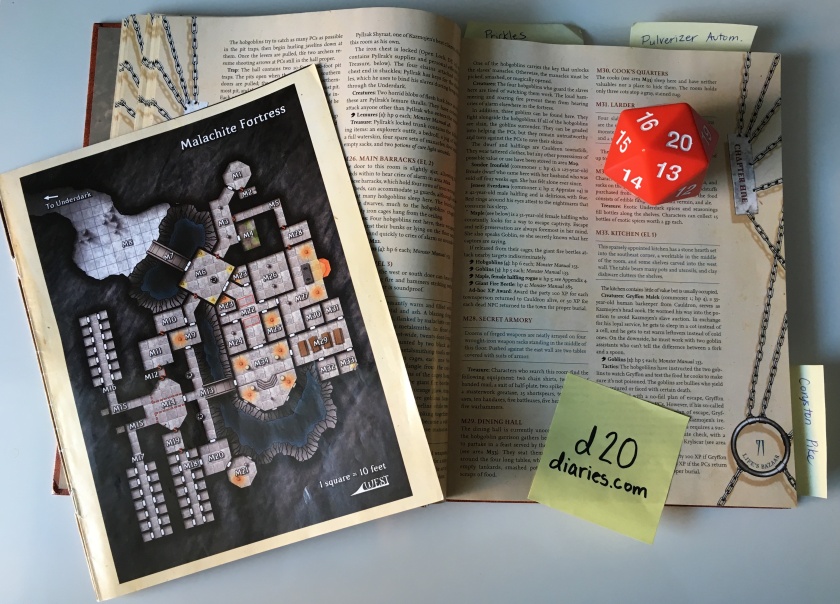
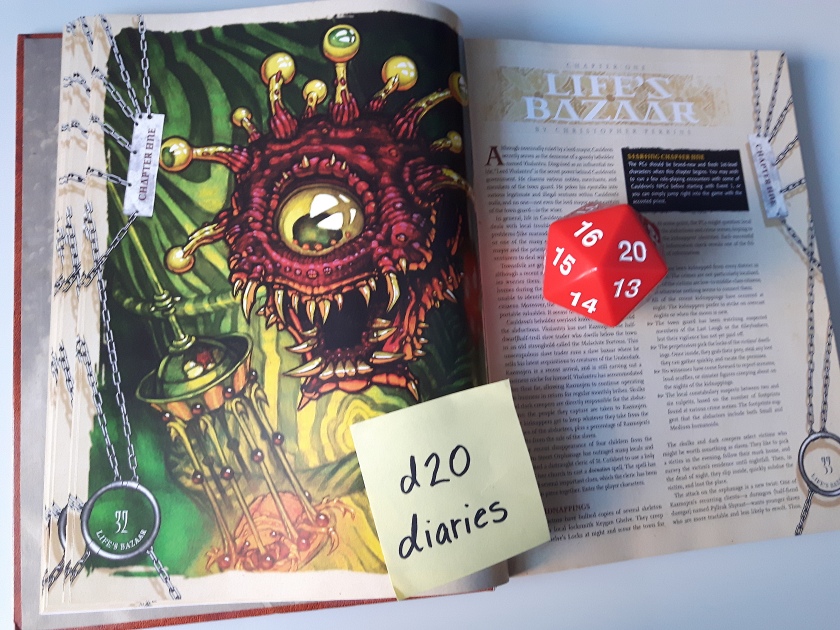
 . The urban bloodrager archetype can be found in
  . The Kineticist class can be found in
  . The monk and bard are base classes found in the
  (or in a convenient travel-sized edition:
  .
. a try. I looked into the game, and told my daughter and son all about it. They were extremely excited. The problem?
 (which contains an adventure, dice, and all kinds of accessories).
 and stopped in my tracks. I picked it up and flipped through it. I knew in my gut I wanted it, but I had no idea what it was. None. Eventually I put it back and moved on. Every visit afterwards I passed by that book and picked it up. But I never bought it. Not until many years later when someone actually explained to me what the heck D&D was. By then the book store wasn’t even open anymore. I would have liked to buy it from there. But this? This book doesn’t have that problem. Right there on the back cover it explains what this book is, how you use it, and what it’s for. It’s written in simple language that any kid or parent (or grandparent!) can understand. It’s simple, clear, and concise. I love it.
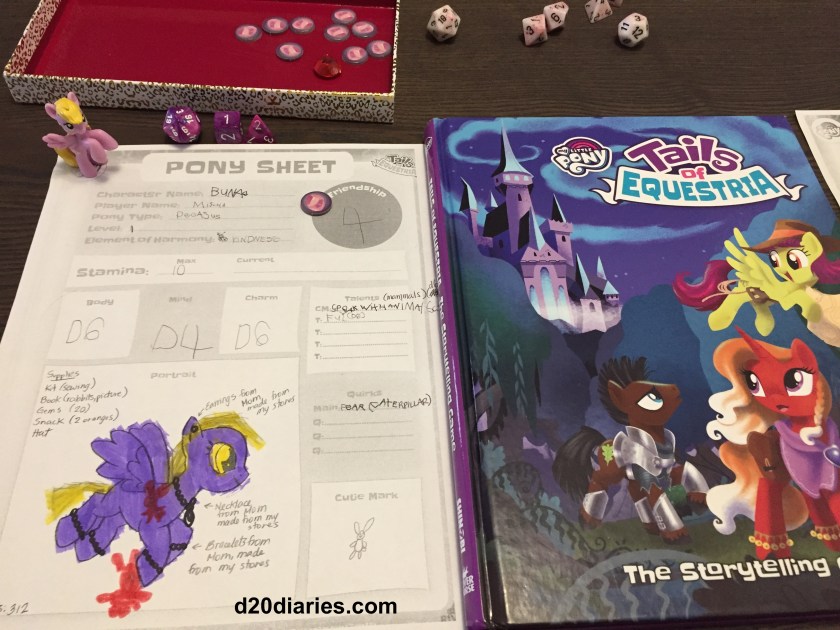
 adventure (although the book also encourages kids to create their own adventure with the cliff hanger ending as an opening plot hook).
 As an added bonus Alien Archive 3 is going to contain some other player options and gear, which is a nice change of pace. Best of all? Rule for pets, mounts, and combatant creature companions! My daughters dreams have just come true. Haha.
 in February, followed by #
 in March,


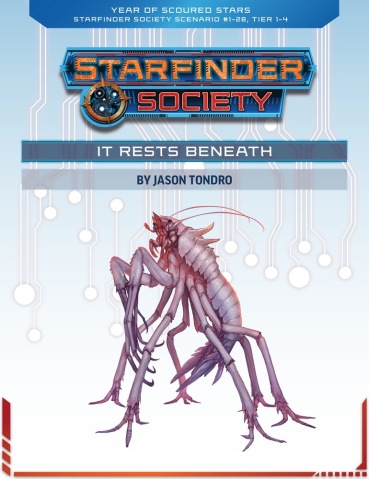
 or
or 


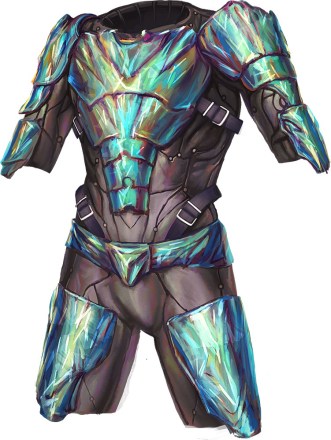


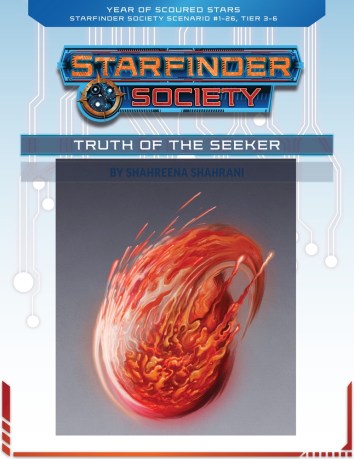
 , and
, and 


 and
and 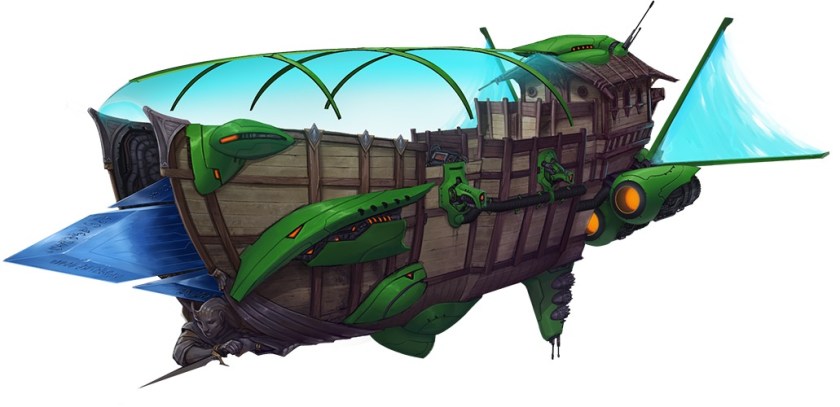


 is available for purchase! Currently, you can order it on amazon, and in the coming days you’ll be able to purchase it from the OpenGamingStore as well!
 Although the races you’ll find in Legacy Races Revisited are familiar, nearly all of them have received additional racial traits to bring them in line with the same power level. All races also feature two alternative racial traits, so you can get the most out of your character concept. Some races also list new character options beyond racial traits, such as proficiency with brand new weapons like the acrobat spear.
 as a print copy from Amazon.ca


 ). When it came time to make her character and actually get her down on paper, she stuck to it. But, she also added to it. In addition to being a poison darter, she’s chosen to be a skirmisher, which is an archetype for rangers which sacrifices their spellcasting in order to use some nifty tricks a few times each day that can benefit yourself and your companions. This won’t have an effect on her character now, but in the future it definitely will! (The skirmisher archetype for rangers can be found in
  ).
). ). All things considered, acrobatics turned out to be her best skill, which is just how she wanted it. For her feat she chose agile tongue. This grippli feat allows her to use her tongue to lift light objects, make sleight of hand checks, and perform steal and disarm maneuvers. It also lets her make melee touch attacks, but that won’t have any benefit for her right now. (Agile tongue can be found in
 and
and  ). Of course, Pinesong also tries to make his own gear — and does a horrible job at it. He uses hand carved wooden stakes for his melee weapon, and wears a braided belt of grass and vines. For his other gear he invested in some basic adventuring equipment, a vial of acid and a flask of holy water.
 ). I had originally intended to make Sereia an arcanist. I’ve never had a chance to make an arcanist before, and I was quite excited for the chance.
 ).
).
 ). He’s incredibly nimble. He’s also quite cunning, intelligent, and hardy. His final statistics are Str 10 / Dex 18 / Con 12 / Int 13 / Wis 14 / Cha 10.
 which gives him +1 damage against enemies he’s seen attack his companions. He’s very protective of his friends! He also chose sacred touch.
 .)
.) d20 Diaries