Today we’re going to take a look at the two most recent Starfinder Society Scenarios that are currently available for purchase, and let you know we thought. Although you’ll find references to events in each that I liked or disliked, and comments about specific characters, these scenarios are not explored in detail. It’s not my intention to spoil the events in these scenarios, or give summaries and full reviews, but to share my opinions and provide recommendations. That said, if you want to avoid even minor spoilers I recommend you check out a different article. Whether you intend to use them in home games of the Starfinder Roleplaying Game, sanctioned scenarios for use with the Starfinder Society Organized Play, or just want to read a nifty new adventure, we’ve got you covered! So sit back, and get ready to explore the Pact Worlds!
It Rests Beneath features only one recurring character: Fitch, leader of the Wayfinders faction, an her mischievous grandchildren. It introduces a few new characters: Dr. Mora Motressi, leader of a Starfinder research facility on Vabaimus; her daughter, Little Mina; and Bud, a cuddly sloth-like being that’s both the good doctor’s pet and the most advanced native species on the planet. This scenario begins on the Master of Stars, the largest ship in the Starfinder fleet. It’s currently docked in Absalom Station’s Armada and has been undergoing repairs since the start of Starfinder Society Organized Play. From there it swiftly transitions to Vabaimus, where the rest of the scenario takes place. There PCs will need to assist the science team in performing a survey of a strange landmass. Nearly 85,000 square miles in size, with no water or plant-life, this calcified plateau is of great interest to Dr. Motressi and her team. She asks you to travel across the plateau to three specific locations, set up some specialized towers you brought with you, and calibrate surveying equipment atop of each one. Each tower has its own challenges, hazards, and enemies to contend with. There’s multiple vehicles your PCs can choose from, and the towers can be tackled in any order. There’s a simple vehicle handout that will be useful for both players and GMs, which is a nice touch. I love how flavourful the new creatures and environmental hazards are. A lot of thought has gone into ensuring they fit into their ecosystem — which is particularly important when players are surveying an environment. Also, I particularly enjoyed the mystery of the old kasathan ship.
I do have one nitpick. Page three is missing half of a sentence at the end of the first section, which I assume should read something along the lines of ‘up to help,’ ‘up to lend a hand,’ or something else similar. It’s not a hindrance to the scenario. You can still get the gist of what it’s supposed to be saying, but it was jarring enough that it caused me to look around in confusion for a half a minute, to make sure I hadn’t missed anything. A minor distraction in an otherwise enjoyable read.
Overall, I loved I this scenario! The premise is different from any that have come before. It was engaging all the way through, with a wonderful array of social interactions, skill-based encounters, hazards, and combat. The enemies and hazards were all well-thought out. The NPCs were properly engaging and ‘real.’ And, best of all, your PCs have to make an important decision regarding the future of this planet. Really top notch! Although it didn’t blow my mind, like some other amazing Starfinder adventures, it was an… understated awesome. I give it 5 out of 5 stars.
The opening premise for this mission is… convoluted. Captain Yuluzak, who runs a salvager, discovered a starship wreck, took what was valuable and returned to Absalom Station. Some objects he kept, and others he sold to a pawnbroker named Julzakama. Juzakama recognized one of the objects as an important piece of art and contacted some people he thought would buy it. One of those people, Iteration-177, recognized the object as belonging to a culture that was once a part of the Scoured Stars Trinary System, so he contacted Luwazi Elsebo. Luwazi had the object brought to her, along with a team of Starfinders, Iteration-177, and Captain Yuluzak himself. Luwazi tasks the PCs with travelling aboard Captain Yuluzak’s ship to investigate the original wreck. There they’ll determine the ship’s origins, and travel there to investigate and (hopefully) make some new allies.
A jinsul. Illustrated by Graey Erb. Art courtesy of Paizo Inc.
This scenario was big with a capital ‘B.’ It involves the Scoured Stars storyline, the jinsul, a new solar system full of inhabited planets, three new races (nelentu, syngathrix, and thyr), people to save, important decisions to make, a massive starship battle, and combat on… well we’ll leave that part secret for now. Haha. To say this scenario is bold is an understatement! The entire hospital section of this scenario was particularly well handled, as were the NPC interactions found throughout. And the setting for the final battle? Epic! Your PCs are sure to come away from that fight feeling like badass action heroes. It’s going to be a ton of fun to play. On the downside, everything in this scenario is overly convenient in a rather heavy-handed way. Now, I’ve no problem with a ‘railroad,’ particularly in short adventures like Society Scenarios, but in Honorbound Emissaries you always arrive in the exact right place at the exact right time in order to avoid something troublesome. Heck, you even travel through a massive space battle and don’t get attacked by either side. At all! In fact, you even manage to approach the planet and land without a single threat or altercation. It’s like you’re invisible. Which brings me to me second down-side: starship combat. This scenario should have had one. Getting to witness an epic starship war and not engage in it at all is kind of a let down. And how fun would it have been to help out the crew of the Honorbound? Now, I get why it’s not in here. This scenario has more than enough encounters to engage in, and they’re all cool. But, it would have been nice to at least see the ship you’re on come under attack. Or mention the bumpy ride as the pilot has to take evasive maneuvers. Something.
…But that final battle! Wow! Haha.
A jinsul ship. Originally depicted in SFS #1-13: On the Trail of History. Art courtesy of Paizo Inc.
Overall, I really enjoyed this scenario. It’s bold, daring, and casts your players into situations much bigger than themselves. PCs get to do some heroic things, some absurd things, and some absurdly heroic things, all of which is going to be a blast! It’s rounded out by some really solid social interactions with a large cast of quirky characters. This is truly one of those scenarios that players will talk about for a long time afterwards, simply because they want to brag about their character’s exploits. Five years some now I’m sure some players will still look back on it fondly and say “Wow, remember when my Starfinder character did THAT? THAT was cool.”
Which is cool!
I give this scenario 5 out of 5 stars.
Thanks for joining us today!
I wish you happy holidays, plenty of natural 20s, and all the best in the upcoming year!
Today we’re going to take a look at two of the most recent Pathfinder Society Scenarios that are currently available for purchase, and let you know we thought. Although you’ll find references to events in each that I liked or disliked, and comments about specific characters, these scenarios are not explored in detail. It’s not my intention to spoil the events in these scenarios, or give summaries and full reviews, but to share my opinions and provide recommendations. That said, if you want to avoid even minor spoilers I recommend you check out a different article. Whether you intend to use them in home games of the Pathfinder Roleplaying Game, sanctioned scenarios for use with the Pathfinder Society Organized Play, or just want to read a nifty new adventure, we’ve got you covered! So let’s get cracking!
On the surface, because religion is outlawed in Rahadoum, bringing a cleric, paladin, or other divine caster on this mission is a really bad idea, but actually… that’s only half true. Yes, religion is outlawed in Rahadoum, and playing a divine caster will be a challenge. There will be social repercussions, and you’re likely to run into trouble with the law. However, these interactions are very well-handled in this scenario with the addition of ‘Legion Points,’ which are a measure of how many legal infractions the Pure Legion has caught you committing. The punishments are clear, and you have plenty of opportunities to lower these totals throughout the scenario. You’re not going to be executed, or immediately kicked out of the scenario or something equally drastic. As long as you play your divine character with some subtlety and caution, you should come out alright. As a nice bonus, there are quite a few obvious benefits to bringing that divine caster along. Players who take the time and try their best to navigate this difficult political landscape will find their efforts were worth it. It’s a gamble. Although I don’t recommend you bring a divine-heavy party to this scenario, I don’t condemn their use either. If you’re up for the challenge, go for it!
The Shattered Shield tasks the PCs with heading into Rahadoum and attending an illegal auction that deals in religious relics. There they’ll need to obtain a shard of the Shield of Arnisant, which was once known as the Shield of Aroden, and was used to battle the Whispering Tyrant. This shield is supposed to be safe in Vigil, but all signs seem to show that the shard up for auction is legitimate. Of course, as with any good scenario, acquiring the shard will be harder than it sounds.
There’s a lot to like in this scenario. It has a lot of interesting social and skill-based encounters. There’s one very weird illness going around that’s used to great effect. The mission briefing with Venture Captain Obo was very detailed, with plenty for roleplay-oriented players to riff off of. I particularly enjoyed how the Pure Legion was portrayed. This scenario did a great job of humanizing them, which was nice to see. The adventure allowed for some deviation from the assumed path, with alternate allies and differing methods accounted for. I really, REALLY liked that. It’s rare to see in published products, particularly of this length. I also really enjoyed some behind the scenes bits with Nulalla, which most players will be curious about but aren’t likely to discover completely. I loved the situation that Torvad Shalzadin and Inusi Mendalari find themselves in. In addition to being dynamic and a little suspenseful, clever PCs will be able to glean a bit of information about this scenario’s main villain from the witnesses. The final location PCs visit in this scenario was super morbid and different. I really, really liked it. And the map for it looks great! Finally, I adored the main villain’s… pal. It’s both horrible and adorable. Just awesome.
That said, there are some downsides. The auction itself was a bit of a let-down. Although there’s some interesting people to interact with, and some cool things to bid on it’s unscripted, and the notes are scattered over a few pages. This is inconvenient for GMs, and means that the auction is unlikely to be a showstopper. Which is a shame! I LOVE a good auction in my Pathfinder. Events are also a bit overly convenient. Not a trait unique to this scenario, but it is more obvious and heavy-handed than is typical. Particularly with regards to the connections between the estate and the auction guests.
Finally, villain tactics. This scenario’s villain is an odd one. Don’t get me wrong, I love her. Seriously. She has flaws, hang-ups, quirks, obsessions, and goals which both haunt and drive her. They affect her tactics and reactions. Unfortunately, it’s not depicted in a way that everyone — GMs and players alike — will necessarily notice. And if you don’t notice? She comes off seeming rather stupid. Which is… unfortunate. And as cool as the final location is, the ending has the potential to be incredibly anticlimactic. I like the premise, and it works for the character, but if certain events occur a lot of players will just be left shaking their heads and asking: ‘That’s it?’ Not really the reaction you want at the end of a successful mission.
There’s one other quibble I have with this scenario: penalties. As with any Society Scenario, there’s many opportunities where not discovering ‘X’ or accomplishing ‘X’ can cause your PCs to lose out on some of the gold rewards on their chronicles. Usually accomplishing those tasks is easy, and it just sort of happens as you play. In this scenario that is not necessarily the case. Some are harder to get than is typical. Most groups won’t get full gold. In fact, some groups will miss out on gold two or three times. Now, on the one hand, I like that it’s not a given you’ll get all the rewards this scenario has to offer. It’s refreshing. But, this scenario might have gone too far in the other direction. If too many players miss out on too much of the rewards, they might even feel like they’ve been unjustly penalized.
Overall, I ended up torn on this mission. I love how Rahadoum and the Pure Legion was handled. I also enjoyed the large number of social and skill based encounters. The villain was flavourful, different, and had some serious quirks — all things I adore. Heck, I even liked her doorman. On the other hand, players are likely to come away from this scenario feeling confused over enemy tactics and behaviour, and the ending has the potential to be a let down. In the end I decided to give it 3 out of 5 stars.
The Hao Jin Tapestry is unstable. Unravelling, one could say. This scenario tasks the PCs with heading into the demiplane, checking out an ancient Tian site, and getting out with whatever lore and treasures they can before it’s too late. It’s a sequel to this year’s interactive special Pathfinder Society Scenario #10-00: The Hao Jin Cataclysm. In the new year this story will continue with Pathfinder Society Scenario #10-13: Fragments of Antiquity, and Pathfinder Society Scenario #10-15: Tapestry’s Trial. If you’ve got characters who have had a hand in acquiring, exploring, or protecting the Hao Jin Tapestry in the past, now is definitely the time to bring them out! Also, if you’ve got characters with knowledge of Tian Xia, who can speak Hwan, or who can magically communicate in other languages, they’ll be used to great effect in this scenario.
This scenario begins in Absalom with an announcement from two members of the Decemvirate! This is followed by a more typical mission briefing with the oread Master of Spells Sorrina Westyr. From there it quickly moves into the Hao Jin Tapestry’s demiplane. There the PCs will get to explore the ancient Tian village of Onhae, which would once have been found in the jungles of Chang Liao. The PCs main goals are to collect a sample of a rare flower from the area, and to learn all that they can about the traditional religion and culture of the people of Onhae, the Sunsu Godae. Happily, there’s still people in Onhae. This should be a cinch! …But, it turns out they’re not practising their traditional religion anymore. They have a new leader, Lin Fen Hai the Hao Jin Hierophant, and a new god who we’ll just call the Ruby Pheonix. Interesting! Your players will get to navigate this newly changed political environment in order to accomplish their missions, all while the Hao Jin Tapestry frays around them, causing unnatural events, magical malfunctions, and planar breaches. It’s an interesting mission to say the least. Similar in form and tone to some previous adventures like… #3-21: The Temple of Empyreal Enlightenment and #9-12: Shrine of the Sacred Tempest.
The Ruby Phoenix.
Onhae was an interesting, rich little village with both and ancient past, recent history, and current changes. Sussing out this places many secrets looks like an enjoyable challenge. Their new religion was awesome! Haha. So good! Although a lot of this scenario was social encounters and skill checks, there are some battles to be fought. Each of these encounters is well written and has interesting flavour and tactics. There’s also some neat planar malfunctions going on you get to interact with. Overall, I really liked this scenario! I give it 4 out of 5 stars.
Thanks for taking the time to join us today! I hope you stop by later this week when we take a look at the newest Starfinder Society Scenarios!
This past Wednesday it was announced on Paizo’s Twitch stream that the Starfinder Roleplaying Game would welcome new classes to its ranks and you, the fans, would get to take them for a test drive. Playtesting new classes is nothing new to Paizo. Even if we don’t count the massive Pathfinder Second Edition Playtest that’s occurring as we speak, they’ve still done plenty in the past. Playtesting new classes gives developers a chance to see how their creations work in the hands of players, how players can exploit them, and what weaknesses they’ve found. It also lets them discover if any abilities don’t work they way they were intended to, or were too under or over powered. All in all, it leads to more balanced, polished classes.
So what exactly is this playtest?
In late 2019 Paizo will release the Starfinder Operations Manual, a hardcover sourcebook packed full of new character options. This book will introduce three new classes, and its these classes that you’ll get to test out.
“This is our first opportunity to add new classes to Starfinder since the game’s release in August 2017, and we need your help to do it! Try out these new classes in Starfinder Society scenarios, Starfinder Adventure Paths, or your own adventures. Then tell us what you and your friends thought of the experience. Paizo needs your feedback to make the classes in the Character Operations Manual the best they can be,” said Starfinder Creative Director Robert G. McCreary.
To get your hands on the playtest head over to StarfinderPlaytest.com, download the free Character Operations Manual Playtest PDF and give it a read. Roll up some new characters and try them out. You can play them in Starfinder Adventure Paths or in home-brew campaigns. Want to play the in Starfinder Society organized play? Go for it! It’ll work much like pregenerated characters do during the playtest. For full details check out Paizo’s blog post on the topic: here.
When you’ve had a chance to try them out, head back to StarfinderPlaytest.com and fill out some surveys on your experience. You can also give them your feedback on the the Character Operations Manual Playtest forums, on Paizo’s website. While Paizo wants to focus on actual play feedback, they are interested in hearing all ideas about the classes. Let’s be sure to give them some constructive criticism guys. And some compliments of course! The playtest will run until January 16, 2019, and the feedback surveys will be available throughout the playtest.
So what are these classes?
First up we have the biohacker! This class is the one that my son is the most excited for! The biohacker is a scientist who can run off of either Intelligence (because they’re incredibly smart and analytical) or Wisdom (because they’re instinctive and impulsive). Biohackers can create injections which they can inject into allies to grant them benefits, or enemies to hinder them. These can be used as a consumable melee weapon (literally injecting someone with a syringe) or loaded into an injection weapon. Injection weapons shot at your allies don’t harm them if you don’t want them to. In addition, each biohacker selects a type of science as their main field of study. There’s a lot to choose from, and each gives you some nifty new types of injections you can create. Biohackers also have a medical scanner, can make injections with their science skills instead of Mysticism, and can learn ‘theorems,’ which are a wide array of special abilities that fit the scientist theme. This class looks like a lot of fun to play! I think it’s going to be the first one I playtest, actually.
Up next? The vanguard! This is definitely an interesting class. They’re a melee based character who can channel entropic forces to make their blows either crush or dissolve the enemy. This can be done through unarmed strikes, or through their melee weapons or shields. Yes! Shields are finally being introduced to Starfinder! Awesome! Similar to solarians and their ‘attunement,’ vanguards function off of a varying number of ‘entropy points’ which begin at 0 each battle and can rise through various methods. These entropy points can also increase your AC. Vanguards also get to choose an ‘aspect’ of entropy to focus on, which gives them different abilities as they level up from other vanguards. As they level up they gain ways to make themselves more durable in combat, or to further enhance their entropic strikes. They also gain a variety of abilities chosen from a large list that are known as ‘disciplines.’
Finally, there’s the witchwarper. This is a charisma-based spellcaster which uses alternate dimensions to power their magic. Cool! Basically, they can alter the world around them by drawing upon other realities. At low levels this power can make a small region into difficult terrain (thematically described depending upon the type of terrain), which at higher levels the area is larger, and the effects more powerful. You can also alter reality to cancel enemy’s critical hits, or allow you to reroll, and learn new skills. Witchwarpers also get to learn ‘paradigm shifts,’ which are unique new ways that you can alter reality. There’s a lot of options here, which is awesome to see. Their spell list includes a really nice array of spells, as well as some brand new ones, which are included in the playtest.
All in all the classes look wonderfully unique and inventive. They have a great array of abilities and options which are sure to make them just as adaptable as the current Starfinder Classes. I’m very intrigued! Definitely looking forward to seeing how they function in play!
Want to learn more? Download your own copy of the Character Operations Manual Playtest PDF on Paizo’s website right now! You can also tune into Paizo’s twitch channel on Wednesday at 4:00 p.m. PST for ‘Starfinder Wednesday.’ This week is sure to be a great show!
Let us know what you think of the new Starfinder classes in the comments below!
Now, if you’ll excuse me, I’ve got some playtesting to do!
Today we’re taking an in depth look at the first book in the Return of the Runelords Adventure Path! Return of the Runelords is a six volume Pathfinder Adventure Path that is intended to take your characters from levels 1 to 20! The issues in this Adventure Path are longer than usual, and the final issue is supposed to be the biggest adventure of the series. Each of the six Runelords (excluding the seventh: Karzoug) is featured on one of the covers, with gorgeous artwork drawn by Ekaterina Burmak.
The Adventure Path takes place in Varisia, and is a direct sequel to the Rise of the Runelords and the Shattered Star Adventure Paths. In addition, the events of the Curse of the Crimson Throne Adventure Path, the novel Pathfinder Tales: Lord of Runes, and Season Four of the Pathfinder Society: Year of the Risen Rune, are all presumed to have taken place. Although playing through these other adventure paths first will definitely make this campaign more enjoyable, it’s not necessary. You can hop right into Return of the Runelords and still have a blast.
So, what is Return of the Runelords? For starters, you can check out a previous blog post I wrote on the topic: Return of the Runelords. Then head down to the video immediately below this paragraph and give the AWESOME Return of the Runelords trailer a watch. Trust me! It’s worth it!
Got it?
Good! Let’s dive right in!
The first book of the Return of the Runelords Adventure Path is #133: Secrets of Roderic’s Cove. Written by Adam Daigle, this adventure is intended to take you from level one right through to level five. In addition to the adventure itself the book contains an NPC Gallery which features detailed information and statistics on three major characters in the adventure, a delightful primer on Roderic’s Cove which will be invaluable to GMs, a short chapter about the Runelords (their history, how they escaped Earthfall, and what’s happened to them since), a bestiary containing four new creatures, and a campaign outline that lets GMs know what’s coming further down the road.
The layout and appearance of this book is nice. It looks good, is easy to read (which isn’t always the case with Adventure Paths), and features gorgeous artwork of the Runelord of Wrath Alaznist on the cover by Ekaterina Burmak. Behind Alaznist is an image of Jirelle (the iconic swashbuckler) and Erasmus (the iconic medium) getting ambushed by some reefclaws! Awesome!
Before we continue with a more in depth look at the book, let me point out: there will be SPOILERS.
You have been warned!
Carrying on the wrathful theme of the front cover, the inside covers feature images and information on a few key topics related to the Runelord Alaznist. The inside front cover shows two weapons: Alaznist’s Hateful Ranseur (her weapon of rule) and Garvok the Sword of Wrath. Meanwhile, the inside back cover showcases Hollow Mountain, once the capital of Alaznist’s Empire and the place within which she retreated when Earthfell drew near. In addition it contains information on Yamasoth, a qlippoth lord and ally of Alaznist’s — although whether he was her minion, or she was his unwitting pawn is debatable. After the covers we hop right into the adventure background, followed by the adventure itself.
Kolton, a citizen of Roderic’s Cove. Illustrated by Nikolai Ostertag
Secrets of Roderic’s Cove is split into five parts: Bubbling Tensions, Roderic’s Wreck, Into the Churlwood, Humbling Pride, and Calming Wrath. Unlike many premade adventures, it doesn’t really feature a ‘patron’ type character. There’s no employer or mentor around to tell the PCs what to do or where to go next. A lot of different NPCs will give you suggestions if you ask. And there’s one character who asks the PCs to help the town. Well, two if you count the dead. Instead, the entire book is driven by the PCs. This means that its imperative your players make characters who want to drive the story forward. Characters who care about the town of Roderic’s Cove — where our story begins — but will be willing to leave for a time when events lead them elsewhere. Characters who would meddle in gang politics, protect their neighbours, and put a spirit to rest. Characters who care. That doesn’t mean the characters have to be a bunch of do-gooders. It just means that players need to think of a reason that their characters would do these things voluntarily, and without the promise of monetary reward.
Welcome to the town of Roderic’s Cove! Cartography by Matthias Rotenaicher.
Our story begins in the tiny town of Roderic’s Cove, which is located along the coast very near to Riddleport. It’s a prosperous town with neither homeless or poor. However, the town is periodically home to unusual occurrences and oddities. The ghost of the town’s founder, Sir Roderic, lurks in the town, emerging from the decrepit remains of his haunted home only when the town is in great danger. Roderic’s Cove is home to two different gangs: the Horned Fangs and the Roadkeepers, both of which are little more than thugs and bullies. It’s also home to a strange but harmless scholarly society known as the Order of Resplendence. Recently, the gangs have been at each others throats, strange deformed creatures have been seen in town, Sir Roderic’s ghost has resurfaced, and there’s even been a murder!
It’s best if the PCs all know each other at the start of this adventure but, even if they don’t, all they truly need is to be in ‘Circle Market’ shopping (or passing through) on Market Day. Here they find two gangs about to come to blows. The PCs have just enough time to interfere before another joins them — the ghost of Sir Roderic himself! As the gangs and citizens run for it Sir Roderic wails about the safety of his town! Then he vanishes as quickly as he appeared. The town guard is on the scene shortly afterwards to thank you for your help before bidding you farewell.
After that the PCs are on their own. They can explore Roderic’s Cove, chat up the locals, learn about Sir Roderic, the local murders, and the gang violence. Eventually they’ll either approach or be approached by a forlorn elf and local grave digger by the name of Audrahni. She’s very concerned over the spirit of Sir Roderic, and is hopeful that the PCs can be the ones to put his spirit to rest again by bringing peace back to the town. They had the courage to stop the gangs from fighting this morning, surely they’re brave enough to do it again?
It’s assumed that the PCs take up this task with aplomb, but even if they don’t it’s a simple matter to get them back on track. After another run-in or two with the various gangs they should want to take them on — even if its not for the good of the town.
However they get involved the PCs goal for this adventure is to bring peace to Roderic’s Cove and put Sir Roderic’s spirit to rest. How they go about this is relatively free-form. The most likely place to start is with the recent murder that happened in the Circle, and the two gangs that are reputed to be involved. They’ll get to speak with witnesses, rumourmonger, search for clues, investigate the victims and their death, and question suspects. They’ll need to keep in mind that they’re citizens of Roderic’s Cove, not law enforcement, so simply busting into a suspected gang hideout and bashing in heads isn’t going to fly. They need evidence. As time passes they’ll come across strange creatures lurking in the town at night, mysterious hauntings, and even learn of some other crimes that have taken place.
This first section of the adventure is very loosely scripted. It’s got information on some witnesses and some scripted events — some of which relate to the murders, and some of which lead to further mysteries. It’s really well written, but it’s definitely a slow start to a campaign. It’s not one of those openings that will grab your characters right off the bat and send them off on some immediate, daring adventure. Don’t get me wrong, it’s enjoyable! But it’s not the mind-blowing, gripping, epic, opening I expected for this campaign. It’s subtle. It requires players who are good role-players, and a really solid GM to make this part of the adventure shine. Anyone can play it. But, it takes a solid group to make it something special. New GMs and players have the potential to flounder.
At some point during their investigation of the murders the PCs are bound to decide to investigate the dilapidated haunted house of Sir Roderic himself. The haunted house is interesting and engaging, but it’s also a grind! Only two halls don’t feature either a battle or a haunt, which is a lot for a house. This will be a tough place to explore, particularly if the PCs want to check the house out quite early in the adventure. However, there’s no immediate time constraints, so they’re welcome to leave and return at a later time, or explore the house in more than one trip.
Sir Roderic. Illustrated by Valeria Lutfullina.
Overall, I really like the haunted house. The haunts are a wonderful touch, as are some of the encounters. But, I think that some of the vermin encounters would have been better served as flavourful non-violent encounters that contain clues, and serve to set a more ominous mood. Of course, considering it will be the first chance the PCs have to actually engage in a fight, I’m sure plenty of groups will be happy for the opportunity to flex their combat muscles. Haha.
Either way, the house can give the PCs some important clues as to what’s happening in town, and allow the group a chance to speak with Sir Roderic’s ghost. Totally worth it!
In time, the PCs investigation will lead them outside of the town and into the Churlwood Forest, which is the focus of Part Three of this adventure. There’s multiple reasons they’ll want to come here. Perhaps they’ll come out one mission at a time and make a total of three or more forays out into the woods, or perhaps they’ll come out to accomplish all three at once. It all depends on how your group has proceeded with their investigation. Whatever they’re after, there are three major tasks that can be accomplished in the Churlwood. In addition, there’s a few scripted encounters that can lead the PCs onto these tasks and progress the story. For starters, they could be here to pay a visit to the Roadkeepers gang of bandits. They might also be here to find a pair of local dwarves who were kidnapped by goblins. Finally, they might be here looking for a mysterious location that Sir Roderic mentioned. As these locations are all interconnected, it’s likely that one task will lead into another. Overall I rather enjoyed this part of the adventure. It’s free-form enough to allow players to decide their own priorities and courses of action, but the actual locations are very detailed, well-scripted, and interconnected. It looks like a lot of fun. And as an added bonus? PCs will get their first taste of ancient Thassilonian ruins, and pick up some awesome treasure. In fact, they’ll pick up their first minor artifact in this place!
Eventually the characters will return to Roderic’s Cove having done some good, solved some problems, and discovered further clues that will lead them to an odd location: Peacock Manor. This is a series of houses that were connected into a large, confusing manor, and is occupied by the scholarly group known as the Order of Resplendence. On the surface they’re a bunch of obsessive scholars who study ancient Thassilon. Most folks in town think they’re a harmless cult. But, looks can be deceiving. By now your players will have more than enough reason to suspect the leader of this group as being the true culprit behind the recent murders in the Circle. How? Why? Well, I don’t want to give away everything, but I will say that it’s leader has come into possession of one of the Seven Swords of Sin — a powerful artifact she’s unable to properly wield. But, investigating Peacock Manor is not a simple task! For starters, they’re a secretive group, and are highly unlikely to allow you in. Second? Not everyone there is a criminal. Many are simple scholars. Bringing unnecessary violence against such people could put you on the wrong side of the law. And finally? Gossip! Folks who just force their way into the manor, or spend a long time fighting there are sure to attract the attention of the local citizens of Roderic’s Cove. And when supposed heroes attack a bunch of defenceless, harmless scholars and eccentrics, chances are folks won’t consider them heroes anymore. All of these factors combine to make paying a visit to Peacock Manor more difficult than it seems. I really enjoyed it! This section’s got some awesome character art! Also? Players can pick up a second super cool artifact in the halls of Peacock Manor: Baraket, the Sword of Pride!
But, that’s not the end of this adventure! There’s still a second gang to deal with! The Horned Fangs who, quite mysteriously, bear the Thassilonian sigil of Wrath as their emblem! Characters will have to find the lair of the Horned Fangs and give them what for! But, the Horned Fangs are more than what they seem! They lair in the ancient Thassilonian ruins beneath town and, although once a simple group of thugs, they’ve recently come under the control of a foul sin spawn named Mozamer who travelled there via a magical one-way portal from Hollow Mountain. It’s Mozamer himself who’s behind the strange creatures that have been terrorizing the town, and behind the Horned Fangs recent violent behaviour! The PCs will get to explore the ruins, bring down a gang, discover their surprising leader, and battle otherworldly allies. But, not before the sinspawn invites you to join his army and serve the cause of his mistress, the Runelord of Wrath. Who’s already AWAKE.
Trouble in Roderic’s Cove. Illustrated by Ekaterina Burmak.
Wanna join?
Haha.
Mozamer and the ample surrounding evidence show that the sinspawn came from Hollow Mountain, which was once the heart of Alaznist’s Empire, and is where she waited out Earthfall. Although bringing down the Horned Fangs and Mozamer is enough to put Sir Roderic to rest and save Roderic’s Cove — sort of — the Runelord of Wrath is an enemy that will have to be dealt with. Particularly since there’s that one-way portal under the town that Alaznist could send an army through at any moment…
THAT brings us to the end of the adventure. And what an adventure! It’s got urban adventure, a murder mystery, crime fighting, horror, wilderness exploration, ancient ruins, dangerous relics, awesome treasure, and you get to come out of the ordeal already the hero of your town. There’s nice, obvious, compelling reasons to continue on to the next adventure, and — unlike this series’ predecessors — the villain is already revealed and obvious from the start. From here on out you’ve got to take down the Runelord Alaznist before she can conquer Varisia and rebuild Thassilon!
Although I hoped book one of Return of the Runelords would completely blow me away and I’d give it five stars, in the end the shaky opening means I’m only giving it four out of five stars. I expected epic perfection! And, although this was a solid, super fun adventure that I can’t wait to play, perfect it was not.
But, the end of the adventure isn’t the end of the book! There’s more to look at!
After the adventure are three two-page spreads focusing on three major characters in this adventure. Two are enemies, and one is an ally. Audrahni the forlorn elf who is going to have a continuing role in book two; Corstela Rostrata, leader of the Order of Resplendence; and Mozamer, sinspawn leader of the Horned Fangs and general pain in the ass. The artwork in this section is awesome (as expected), the stat blocks are solid, and the background is useful for roleplaying these characters.
Following this is an incredibly important part of the book: a gazetteer on Roderic’s Cove. GMs will find this chapter absolutely invaluable. You need it to inject detail and interest into the entire first section of the book. In addition, you’ll reference it in between all the other sections of the book, whenever the PCs wander the town of Roderic’s Cove. The gazetteer itself is interesting. Roderic’s Cove is a neat, engaging, town with plenty of secrets and colourful characters to visit. It’s a fun place to adventure in.
Up next is one of the most fun sections for GMs to peruse — or I thought so anyway! An entire chapter on the Runelords, what they’ve been up to, how they survived Earthfall, and what Alaznist has been doing since she awakened. Which, but the way, is A LOT. It involves powerful magic, assassination, and even TIME TRAVEL! COOL! (And confusing!)
This brings us to the Bestiary, which contains three new creatures and one new creature template. My favourite of the creatures is the Cyphergull, a CR 2 magical beast that’s essentially an intelligent seagull with an innate understanding of magic and glowing Thassilonian runes upon its wings. They can devour scrolls and thereafter cast those spells. What an awesome little beast to lurk around the Lost Coast — particularly near Riddleport! Other creatures include the Nochlean, a CR 3 fey that delights in stealing children and causing terror; and the Warpglass Ooze, a CR 2 ooze that can enthral passersby and tempt them into it’s acidic body. Beware the reflection in the pool! Haha. The creature template will be incredibly useful not only in this adventure, but also in any of the others that involve the Runelords or Thassilonian ruins: a Runewarped Creature. This template can be applied to any animal, humanoid, or monstrous humanoid, and is essentially a precursor to sinspawn. They’re twisted abominations that are driven to consume magic.
Finally, this book contains a Campaign Outline, which provides GMs with information on what’s happened before this campaign, and what each of the upcoming volumes entails. Before we get into specifics, let me just say: Return of the Runelords is going to be AWESOME!
Return of the Runelords: Book Two: It Came From Hollow Mountain is written by Mike Shel and intended for levels 5-7. In it, the PCs travel to Magnimar to tell the Sihedron council about Alaznist’s rise in Hollow Mountain only to realize that they already knew! In fact, they sent a powerful group of heroes there to investigate in secret, and they haven’t returned. Your PCs are charged with travelling to Hollow Mountain to figure out what’s going on.
Return of the Runelords: Book Three: Runeplague is written by Richard Pett and intended for levels 8-11. By now the PCs know for certain that Alaznist is awakening, not only that, many of the others are as well! They need to travel to four different cities in Varisia — wonderfully familiar cities to many of us — to stop a few different groups that are related to the Runelords and are causing trouble. These groups include the Cult of the Peacock Spirit (who have ties to Xanderghul, Runelord of Pride); cultists of the qlippoth lord Yamasoth (who have ties to Alaznist, Runelord of Wrath); and the Whispering Way (who seek to rebuild Zutha, the Runelord of Sloth’s phylactery). They’ll get a chance to adventure in Korvosa, Magnimar, Riddleport, and, my personal favourite, Kaer Maga! In addition, they’ll have a chance to speak with Sorshen, Runelord of Lust in this adventure. Yes, you read that right. Speak with. Sorshen is a potential ally and source of information for the PCs!
Return of the Runelords: Book Four: Temple of the Peacock Spirit is written by Jason Keeley and is intended for levels 12-14. With intel obtained from Sorshen, the PCs discover that the most powerful Runelord, the Runelord of Pride Xanderghul, is weakened due to Alaznist’s actions. This is their chance to bring the battle to him! Cause what’s better than kicking a big bad when they’re down?! Taking down a big bad who also turns out to be a GOD! That’s right! In it we discover that Xanderghul is the Peacock Spirit himself! An ancient Thassilonian god of secrets! They’ll have to head to his hidden temple and defeat this tyrant before he regains his full powers!
Return of the Runelords: Book Five: The City Outside of Time is perhaps the book I’m most excited for. It’s written by Amanda Hamon Kunz and is intended for levels 15-17. Now that they’ve taken down Xanderghul (hopefully), your PCs will be fully aware that Alaznist is the mastermind behind pretty much everything (although it’s likely they’ll be well aware of this before hand… Haha). Alaznist is building a realm for herself in Varisia, dubbed ‘New Thassilon’, and has used powerful magic, including messing up the past with time travel, to set her plans into motion. To defeat her they’ll need to get their hands on a relic from the Shattered Star Adventure Path known as the Sihedron Star. This artifact is currently trapped in Crystilan, which is essentially a section of the Runelord of Envy Belimarius’ dominion that was locked in a time-loop since the fall of Thassilon. They’ll need to slip into the city via the Plane of Shadows and sieze the artifact. Along the way they’ll get to explore a little part of Thassilon and see what it was like in its heyday. Unfortunately, Alaznist has messed everything up with her time meddling, so the people within are no longer stuck in a time loop. Instead they’re just… stuck. With Runelord Belimarius’ hold over her people slipping the PCs will have a chance to make an ally or an enemy out of Belimarius! Plus, they get to rescue the Sihedron Heroes (your previous campaign’s heroes) from the city! This is going to be amazing! I can feel it!
Return of the Runelords: Book Six: Rise of New Thassilon is the finale of this grand campaign! It’s written by Greg A. Vaughan and is intended for levels 18-20. The PCs have a daring plan: use the Cyphergate in Riddleport to travel back in time. Once there, they can repair all the damage that Alaznist has done to the past. There’s just one problem: they don’t know how to use the Cyphergate. The person who does? Karzoug, Runelord of Greed! …Except he’s dead. The Sihedron Heroes killed him in Rise of the Runelords. Fortunately, that doesn’t mean they can’t speak to him. They’ll simply need to speak with his ghost! Yes! you get to try to convince the dead Runelord of Greed’s spirit to help you screw over Alaznist! Hahaha! I love it! And for those players who have played through Rise of the Runelords this will be a huge surprise! Once they’ve convinced Karzoug to lend his aid they’ll need to use the Cyphergate an travel to a city in the Dimension of Time, which will allow them to send copies of themselves back to the past to repair the damage done to the timeline. What becomes of these copies and how much do your players actually get to experience of the past? I don’t know, but I sincerely hope they get to play in the past for at least a little while. It’s just… awesome! Once they’ve repaired the past they can return to the present and take on Alaznist herself in Hollow Mountain!
And that’s it! The end.
I’m not sure I can express how excited I am for this campaign. Just know it’s a LOT.
Thanks for joining us today! We’ll see you later this week when we take a look at the newly releasing Pathfinder and Starfinder Society Scenarios!
See ya’!
Jessica
Want more Return of the Runelords? Check out these awesome images from the Adventure Path!
Krune Runelord of Sloth
Belimarius Runelord of Envy
Zutha Runelord of Gluttony
Sorshen Runelord of Lust
Clegg Zincher from the Second Darkness Adventure Path appears in Return of the Runelords: Book Three: Runeplague
Korvosa is originally featured in the Curse of the Crimson Throne Adventure Path and is revisited in Return of the Runelords: Book Three: Runeplague
Against the Aeon Throne is an Adventure Path for the Starfinder Roleplaying Game. To play you’ll need a copy of the Starfinder Core Rulebook.
Against the Aeon Throne is a shorter campaign that most. Typically six books in length, this Adventure Path is only three. I think it’s a great change that will allow the folks at Starfinder to tell shorter, more personal stories. In addition, this three part length makes it easier to purchase and play through an entire adventure path. Also? It’s awesome for gift giving and the budget conscious! Six books is a huge investment, but three? Well, that’s a lot more manageable for those of us without much extra cash laying around.
So what exactly is Against the Aeon Throne: The Reach of Empire all about? In short, your characters will play as a team of allies or coworkers who run a ship together. The how and why of your meeting, and what kind of crew you are is entirely up to your players. Want to be a bunch of socialites on vacation? Go for it! A grizzled team of mercenaries? Sure! A ship of colonists ready to set down roots in a new home? Perfect! Or perhaps some criminals on the lam? Sounds good! Whatever you and your fellow players decide, your ship has been contracted by AbadarCorp to make a delivery of supplies to the fledgling colony of Madelon’s Landing on the planet Nakondis way out in the Vast. Upon making the delivery they’ll receive 4,000 credits as payment from the leader of the colony, a lashunta priest of Abadar by the name of Madelon Kesi. For GMs who want to go off script a bit, it’s incredibly easy to change the hiring organization from AbadarCorp to any other corporation or group you desire. Irrelevant of who hires you, your contact for payment will remain the same.
Of course, cash isn’t the only reason your ship is heading to Nakondis. In addition, all of your characters are friends (or at least had passing contact in the past) with an android known as Cedona who recently retired to the colony of Madelon’s Landing. How and why they each know Cedona is up to your players, but there’s also an awesome list of eleven different suggestions related to the different themes that are provided in the book.
As for your ship? Your players get to make it themselves before play. Awesome! For groups who don’t want to spend the time crafting their own ship, they’re welcome to select any premade tier 1 starship. Whatever ship they choose to create, this bad boy will be with your players throughout the campaign and they’ll have plenty of opportunities to improve it as they progress.
Like any good adventure, stuff happens! And The Reach of Empire is no different! When they reach Nakondis they discover something has gone terribly wrong on Madelon’s Landing! It’s clearly been taken over by some invading force! (Spoiler Alert: It’s the Azlanti Star Empire). But, before the group has a chance to investigate they’re attacked by drones! They’ll have to fight off the drones, find a safe place to land, and make their way on foot to Madelon’s Landing to figure out what’s going on, save the colonists, and oust the invaders!
But, before we get into that too much, let’s take a look at the book itself.
Starfinder Adventure Path 7: Against the Aeon Throne: Part 1: The Reach of Empire is a softcover adventure written by Ron Lundeen that is 63 pages in length. It’s intended to take players from level 1 to level 3. The adventure itself is around 35 pages long, and split into three main parts: Nakondis Under Siege, in which the players fight or sneak their way through the wilds of Nakondis to Madelon’s Landing; Rebels of Madelon’s Landing, in which the players liberate Madelon’s Landing; and History Unearthed, in which the players head out to explore an ancient crashed starship where the remaining invaders are holed up. After the adventure there’s a seven page primer on Madelon’s Landing and the surrounding region, which is incredibly important for GMs. There’s also a new theme: the colonist. Past this there are four pages of information on new ship upgrades, systems, and weapons common to the Azlanti Star Empire, and four further pages of ship statistics and details. The Alien Archives are eight pages in length, followed by the Codex of Worlds, which is one page of information on the planet of Nakondis. Lastly, the inside front and back covers feature information and a layout for a tier two starship: the Vanguard Voidsweeper!
Before we continue with a more in depth look at the book, let me point out: there will be SPOILERS. Not huge ones. But spoilers none the less.
You have been warned.
For starters, I love the look of this book. I like the colours and the layout. The text inside is easy to read (which isn’t always the case in an Adventure Path). The cover art is wonderful. It showcases a major enemy in this book, Lieutenant Sharu of the Aeon Guard, as drawn by Anna Christenson. Behind her is an awesome image of Iseph (the iconic android operative) and Raia (the iconic lashunta technomancer) running through the streets of Madelon’s Landing as they fight off drones from the Azlanti Star Empire. Super cool!
The ship showcased on the inside covers is a Vanguard Voidsweeper. This tier two medium explorer starship is destined to be the final enemy the PCs face in this adventure. All in all, it’s a fast, maneuverable little ship, that packs some serious firepower. The art for the exterior looks a lot more generic than I expected — particularly when you take into account all the other awesome Azlanti ship artwork found later in this book. That said, it is a mass produced ship, so it’s not surprising. The map layout is simple, but useful. Much more streamlined than a lot of the ship layouts I’ve seen. I rather like it.
After that we hop right into the adventure itself. This adventure starts with a bang, and doesn’t let up. It’s action packed and exciting the whole way through. I really, truly, loved it.
As previously mentioned, The Reach of Empire begins when the players reach Nakondis only to be attacked by automated drones! The resulting starship battle should lead to your players defeating the drones, only to have them explode! Unfortunately this leaves very little information that the PCs can salvage from the wreck. What can they learn? That the drones were automated and belongs to the Azlanti Star Empire. For those of you who don’t know: that’s BAD news. In short, the Azlanti Star Empire is a massive militarized Star Empire that has a whopping three solar systems under their thumb. They think they’re the greatest beings in the galaxy, and everyone else is fit only to be their slaves. And all those planets out there? Well, clearly they should belong to the Azlanti Star Empire. Cause they’re the best and all.
Yeah, they’re giant, pompous, jerks. Great villains for the PCs to clash with, but an overwhelming opponent. Let me be clear: this adventure path does not send your PCs off to take down the entire Azlanti Star Empire. It’s much smaller in scale than that. And frankly? I love it. It lends a sense of suspense to the series and makes it feel like you’re playing real people in a living breathing world universe doing what they can, rather than heroes so powerful they change the whole world universe. It’s a wonderful change of pace and scope. It’s got a very Firefly feel to it. (And Star Wars too, obviously).
After defeating the drones your players will need to attempt to contact Madelon’s Landing, only to find that it’s under occupation by the Azlanti Star Empire! Soldiers patrol the streets, the landing zone is occupied by a strange building, and there’s a massive space cannon mounted on one of the buildings that could clearly shoot your ship down if you went too close. With no idea what’s going on, the players need to find and select a new landing site. Once they’re safely on the ground they need to set out for Madelon’s Landing on foot to find out what’s actually going on. Along the way they’ll travel through the permanently misty jungles of Nakondis, deal with hazardous wildlife (the delightful hobgar!), battle enemy soldiers from the Aeon Guard, and save a colonist who managed to escape. From this man, Jellik Fulson, they’ll finally get an understanding of just how bad things have gotten in Madelon’s Landing and what’s going on. Jellik begs the PCs for aid and happens to know a secret way back into the colony. If they’ll go with him he’ll bring them to a woman who he thinks will give them a place to hide. From there they’ll be able to gather information on the troop movements, make targeted strikes against the Aeon Guard, and do what they can to give the invaders a hard time, and the colonists more freedom.
Which brings us to part two of the adventure: Rebels of Madelon’s Landing. This is both the longest and the most fluid section of the adventure. In addition to the adventure text, GMs will need to make heavy use of the primer on Madelon’s Landing found later in the book. Basically, Jellik and the woman he brought them to — a junker named Aibretta Fulson (Jellik’s ex-wife) — can give the PCs information on the enemy forces, and ideas for what sorts of secret missions they could accomplish to weaken their hold on the colony, and give the colonists more freedom. These ideas run the gamut from freeing trapped hobgars and unleashing them upon the town, to ensuring everyone has enough water to survive, and ambushing patrols. As the PCs sneak around Madelon’s Landing and subtly strike back they’ll meet other colonists, who can in turn become allies and give the PCs more support, intel, and suggestions. However, their actions don’t go unnoticed. Depending how much of a splash they make the Aeon Guard takes notice and retaliates. This also leads to other events that the PCs will have to intervene in — or not. It’s a great, dynamic part of the adventure, which is filled with enough mini-missions and events to keep the game exciting and interesting. As an added bonus, such missions are short enough you can accomplish one or two each play session (at least). Of course, the Aeon Guard is incredibly powerful, so stomping through the town centre and having a giant throw down is a tactic sure to get your players killed. However, that shouldn’t be a problem. The adventure itself does an excellent job of setting this up as a time to use guerrilla tactics, and subtly. Blatantly calling out the villains all at once is unlikely to be a plan your players seriously consider. Only after the town itself is secure will they be able to enter the Aeon Guard’s base of operations, take down the remaining soldiers, and free the prisoners. Finally, Madelon’s Landing is free!
Within the Azlanti base it becomes clear that they didn’t come to Nakondis just to annex some tiny colony. They came for something else. Something hidden in the nearby jungle… To truly free Nakondis your PCs need to travel to the mysterious site and ambush the remaining Aeon Guard!
Which brings us to part three: History Unearthed. The PCs travel to the mysterious site through the jungle (there’s multiple modes of transportation to choose from), and discover that the Azlanti are exploring an ancient crashed starship. An AZLANTI ship. As they explore the wreck they’ll come to realize that the starship was in possession of an experimental starship drive theoretically much, much faster than Drift Travel. If the Azlanti Star Empire got their hands on this ancient engine and found out how to reverse engineer it the entirely of existence would be at their fingertips. They could conquer the Veskarium or the Pact Worlds! Heck, they could conquer both. Also, they’ll come to realize that their friend, Cedona, was one of the first colonists to explore this wreck and discover the experimental engine. To make matters worse? Not only is the engine already gone, but so is Cedona. The Aeon Guard has already moved them both off world for further examination and interrogation.
Illustrated by Mark Molnar. Art courtesy of Paizo Inc.
By the end of this chapter the PCs will defeat the rest of the Aeon Guard on Nakondis, and know that they need to get back the experimental drive, and their friend, before its too late. Unfortunately, there’s one last obstacle to face before the PCs can zip off into the stars after the Aeon Guard. An enemy ship is approaching Madelon’s Landing! And it’s about to open fire! The PCs need to race back to the colony and take on the Azlanti ship, Barazad (the Vanguard Voidsweeper featuring on the inner covers), before it blows the colony sky high!
Hopefully they succeed…
Illustrated by David Melvin. Art courtesy of Paizo Inc.
Which brings us to the end of The Reach of the Empire! It’s an exciting, fun adventure, which I thoroughly enjoyed. EXTREMELY enjoyed. It’s just… a ton of fun.
But, that’s not the end of Against the Aeon Throne, or the book. Up next, as previously mentioned, is the super useful primer on Madelon’s Landing. GMs will need to make extensive use of this primer to flesh out the rest of the town, and run the entire middle segment of the adventure. In addition, PCs who go off exploring on foot to get to the crashed starship will also make use of the information on the surrounding regions, which the GM will need to brush up on. Overall it’s an interesting, fun little town to adventure in. I rather enjoyed it. Plus it’s got lovely maps!
The colonist theme included in this book is pretty nifty. It grants a bonus to Constitution, while the theme knowledge makes survival a class skill and reduces the DC to identify average creatures using Life Sciences. Super useful. Later abilities allow you to protect more people than normal when finding shelter from weather, or feed more people than normal when living off the land. My favourite ability allows you to reroll a Fortitude saving throw made against disease, poison, or severe weather once a day.
Up next is a rather long chapter on the ships of the Azlanti Star Empire and their abilities. Now, I enjoy a good starship battle, but the ships themselves aren’t exactly the most interesting part of the game for me. I’m just not a person who’s into vehicles of any kind. That said, even I think this chapter was COOL. There’s a lot of neat abilities, systems, and weapons introduced, including stasis tubes, aeon stone based technology, drones (which give the undervalued Science Officer something cool to do!), autodestruct mechanisms, and — my personal favourite — hybrid starship weapons that allow you to control them with Mysticism. AWESOME. As for the ships themselves? They’ve got gorgeous artwork. I particularly like the Vanguard Comet, and the absurdly large Sovereign Vindicator.
The Alien Archive is up next, which is always one of my favourite sections of an Adventure Path. It contains seven new creatures, one of which is a playable race. and three of which are featured in the adventure itself. The creatures include: Carrion Dreg, a CR 4 undead monstrosity which has never looked grosser; Endiffian, which is a playable race of shapeshifters; Hobgar, a CR 1/3 blue monkey-like creature capable of shooting electricity that the PCs will come to know VERY well in this adventure (they’re awesome!); Mucilaginous Cloud, a huge CR 5 ooze; Azlanti Adjutant Robot, a CR 3 enemy they’ll face in the crashed starship; Synapse Worm, a small CR 2 vermin that tries to stun you before devouring you alive; and Thermatrod, a CR 3 creature that looks like a mix between a gorilla and an earth elemental, and vomits up lava. Cool! Personally, I like the hobgar and the synapse worm best.
Finally, there’s a short, one page Codex of Worlds entry on the planet of Nakondis. Despite its short length, the information contained therein is incredibly important to this adventure. It’s a must read for GMs.
Against the Aeon Throne: Part Two: Escape from the Prison Moon is written by Eleanor Ferron and intended for level three characters. In it, the PCs are deputized by the Steward (a galactic police force of the Pact Worlds) to secretly travel to the Azlanti Star Empire, rescue Cedona, retrieve the experimental Rune Drive, and get the heck out! They travel to the Azlanti Star Empire, visit an independent space station called Outpost Zed, and learn all they can of the prison moon Gulta that Cedona’s being held on. Then they’ll need to get there, get inside, free Cedona (and likely other prisoners), and flee the area. Awesome!
EDIT: You can read our review: Review: Against the Aeon Throne: Escape from the Prison Moon.
Against the Aeon Throne: Part Three: The Rune Drive Gambit is written by Larry Wilhelm and intended for level five characters. In it, the PCs head to a secret Azlanti science station in an asteroid where the Rune Drive is being held. They’ll need to get inside, infiltrate or fight their way to the Rune Drive, and learn what the heck it is. Then they’ll need to find a way to steal it. Along the way they’ll fight Aeon Guard soldiers, rescue captive scientists, and face off against the man responsible for sending troops to Nakondis in the first place! Awesome!
EDIT: You can read our review: Review: Against the Aeon Throne: The Rune Drive Gambit.
I can’t wait to get a chance to play Against the Aeon Throne with my family!
I hope you enjoyed taking an in depth look at the first volume as much as I did!
Earlier this week I mentioned that I was working on a special project with my brother called Realms of Atrothia by Sunburst Games. Today, I’m thrilled to bring you more information!
Sunburst Games is an independent Tabletop RPG company focused on Pathfinder Compatible content for the next generation. It’s founder is a bold, enthusiastic guy near and dear to my heart: my brother, Kris Leonard. In addition to independent work, Kris is a Freelance Author who has written two Pathfinder Society Scenarios: #6-13: Of Kirin and Kraken, and #9-10: Signs in Senghor, and has contributed to the newly released Pathfinder Campaign Setting: Construct Handbook. He’s a bombastic GM, a rules guru, and a creator of exciting content and original adventures. Sunburst Games is proud to have him as our Founder and Lead Developer!
OUR STORY
Sunburst Games began with a simple vision: Continue a legacy. For over 35 years, Tabletop RPGs have inspired us to be something more than ourselves, to be heroes, villains, and sometimes even a little bit of both. They have forged friendships, made unforgettable memories, and even allowed the most timid among us to feel the freedom of being an outspoken, confident bard, or an unrelenting barbarian. Sunburst Games is proud to continue on this legacy, inspiring a whole new generation with limitless imagination.
OUR VISION
Sunburst Games was established to ensure the legacy of d20 compatible RPGs, such as the 1st edition of the Pathfinder Roleplaying Game can continue on for years to come. We aim to create original, exciting, and inspired products of only the highest quality, with stunning artwork, well-balanced character options, and unforgettable stories. Our first product, Realms of Atrothia: Legacy Races Revisited, will be available as a digital (.pdf) download! After this we’ll be releasing Realms of Atrothia: Primary Expansion which will be both a digital (.pdf) and a hard cover release. (Kickstarter on NOW!) With a successful launch, Sunburst Games will also release additional products to the line, including Realms of Atrothia: Bestiary, Realms of Atrothia: NPC Codex, and the first official full length Realms of Atrothia Campaign: Legacies of Corberus, an original adventure taking Players from 1st to 25th level!
OUR TEAM
Sunburst Games is more than a person. It’s a team. So when Kris wanted someone to help breathe life into his creations, and to enrich his world, he called me. And who am I? Well, we’ve talked about that before. Perhaps, ‘why would he call me’ is a better question. Short answer: he’s seen my work. I agreed to do some freelance work for Sunburst Games without hesitation, because I knew it would be something special. Something great. Something I’d be proud to be a part of.
And I am.
But that’s not all! We’ve teamed up with the amazing artist Rigrena, to bring the Realms of Atrothia to life!
Rigrena’s interest for games began when she made her first D&D character at the age of 10, which affected her artistic journey and inspired her to become a digital artist and an illustrator. Following her passions for gaming and art, she has been working in the gaming industry as a concept and 2D artist for almost 6 years. Thanks to her vibrant personality she brings a unique flair to the art she creates. Her work is absolutely gorgeous. You can follow Rigrena on Art Station, DeviantArt, and Twitter.
Be sure to join us later this week when I share details on Sunburst Games current projects: Realms of Atrothia: Primary Expansion, and Realms of Atrothia: Legacy Races Revisited.
See you then!
Jessica
UPDATE: Realms of Atrothia: Legacy Races Revisited is now available!! You can pick it up from these fine sources:
Today we’re going to take a look at two of the most recent Pathfinder Society Scenarios that are currently available for purchase, and let you know we thought. Although you’ll find references to events in each that I liked or disliked, and comments about specific characters, these scenarios are not explored in detail. It’s not my intention to spoil the events in these scenarios, or give summaries and full reviews, but to share my opinions and provide recommendations. That said, if you want to avoid even minor spoilers then I recommend clicking on a different article. Whether you intend to use them in home games of the Pathfinder Roleplaying Game, sanctioned scenarios for use with the Pathfinder Society Organized Play, or just want to read a nifty new adventure, we’ve got you covered! So let’s get cracking!
Katapesh is a strange place, and the city itself if home to not one, but four Pathfinder Lodges. The most senior Venture-Captain is Roderus who runs a lodge out of his inn and handles all missions that take place outside of the city. The most secure and respected Venture-Captain is Aurora Steelbloom, who runs the grandest lodge in the city at the ruins known as the Twilight Gate. Jurisdiction for the rest of the city is split between Venture-Captain Wulessa Yuul, and Venture-Captain Phlegos Dulm. Unfortunately, these two bicker and fight constantly. So, when the aged Venture-Captain Roderus decides its finally time for him to retire, he’s more than a little uneasy! How can he leave the fate of Pathfinders in Katapesh in the hands of a pair of agents who can’t even follow one of the three main Pathfinder creeds: COOPERATE? This adventure tasks the PCs with working at Roderus’ retirement party. They’ll have to serve drinks, entertain guests, clean up, keep order, and perform other menial tasks. Using their mundane duties as a cover they’ll need to spy on the Venture-Captains in question (Dulm and Yuul), ferret out the truth from rumours, and determine if these two Pathfinders can work together, or are trying to sabotage one another. If the PCs uncover any wrongdoing they’ll need to report to Roderus and delve deeper into the investigation, until the facts come to light and Roderus has enough peace of mind to retire. Players and GMs looking for more information on the featured Venture-Captains can check out Seekers of Secrets or (to a lesser extent) Dark Markets: A Guide To Katapesh.
This scenario had a lot going for it. It has a lot of fun, engaging social encounters that feature a ton of colourful characters. Zig and Yigrig Moneymaker were particular favourites of mine (as I suspect they will be for many players). Zig’s scripted examples of assistance he can lend during the opening retirement party are adorable. There’s a great dynamic evening battle featuring both allies and enemies which promises to be entertaining. Finally, the inclusion of Yigrig Moneymaker’s family is a great segue that can lead to goblins becoming a core race in Pathfinder Second Edition next year. Overall, I really enjoyed this scenario. I give it four out of five stars.
In the previous adventure, Magnimar found its beloved monuments corrupted by some foul source. The PCs worked for Venture-Captain Shiela Heidmarch and the Varisian Council, made an enemy of the occult investigator Theodorus Ichonvarde, saved a servant of the goddess Ashava, discovered the identity of the being behind the corruption (whom we will call only by their name, Tulvhatha, to avoid too many spoilers), and the place they can be found (The Glade of Silver Sparks) which was once a holy site to Ashava. In addition, the PCs were likely granted a blessing, which can be granted to all characters participating in this adventure if they will allow him to do so. This adventure tasks the PCs with travelling through the Mushfens, confronting Tulvhatha, and doing what they can to cleanse the area of evil. Characters who have already played the first in this series of adventures will of course have more reason to participate in this one. But, characters who worship Ashava, have an interest in moonlight, dancing, or putting spirits to rest, or have connections to lycanthropy will all find something special to interest them in this scenario. On a similar note, if you have any characters who have a lot of fears, or who you would enjoying roleplaying their response to their fears at a table, I highly recommend you bring them! This is a spooky adventure, and embracing that atmosphere can be a lot of fun. One final note, if you happen to have a horrible fear of werewolves (like my daughter) or spirits this is NOT the scenario for you!
This scenario had an wonderful haunting tone to it. The environment was appropriately ominous, of course, but many of the encounters themselves often played into the horror theme. Not a gory sort of horror. More of a moody, hopeless, suspenseful sort of horror. I ADORED it. The scenario starts with some minor (but fun) roleplaying encounters. The blessing which your characters can accept is awesome! I adored the first major encounter of this scenario. In addition to bringing back another character from the first scenario in this series, it could cause some healthy discussion as to the fate of your opponents (depending upon the alignments we see on the player’s side of the table). There’s a delightful chase in this scenario, which has very clear repercussions for failure. I absolutely loved it! Although, it should be noted, I’m a sucker for a good, purposeful chase. The haunts in this scenario were exceptionally well-done. Particularly the one that plays upon your character’s fears. Embracing that horror theme with my characters is something I always enjoy as a player, so I can’t wait to toss one of my more expressive characters into this mission! And the final battle with the main villain was both memorable, flavourful, an mechanically difficult. Just awesome. But my favourite part? This scenario features the coolest wolf encounter in existence! It’s going to be so much fun! Overall I loved this scenario. Seriously. Loved it. I give it five out of five stars!
I hope you enjoyed taking a peek at this months newest Pathfinder Society Scenarios with me. I know I enjoyed reading them!
Hello and welcome to d20 diaries! Today we’re taking a look at Starfinder: Armory! This is one of the few Starfinder sourcebooks that’s available for purchase. It’s a hardcover book that focuses on new gear and equipment for use in the Starfinder Roleplaying Game.
This article isn’t meant to be a thorough review or critique of Starfinder: Armory. It won’t replace the book (nor would I want it to!). It’s a quick breakdown of what’s found inside, and what I liked best in each chapter. It’s a collection of my favourites parts of the book, and some highlights. It’s here so that fellow gamers and fans can take a look and get a real a feel for what they’ll get out of the book. Hopefully it helps you decide whether this product is right for you.
Starfinder: Armory is a hardcover sourcebook 159 pages in length. Nearly all of that is dedicated to gear, with the remaining pages offering new character options for each of the seven Starfinder core classes. It features delightful cover art by Remko Troost which depicts Obozaya (the iconic vesk soldier) and Quig (the iconic ysoki mechanic) shopping. The inside covers feature a nice image of the Pact World System (which is not to scale). Following that is the table of contents and the ‘Overview.’ Basically, the two page introduction just lets you know what kinds of gear you’ll find in this book, and explains the difference between the different types of equipment categories. Perhaps the most useful tidbit? A tiny sidebar about minor equipment. Basically, any random technological item you want to invest in that’s not a weapon — things like cameras, clocks, headphones, so on and so on. Each of those items is available if GM approval for a price of 5 credits. Easy. Done. Love it. My daughter tends to try to purchase a lot of frivolous gear like this, so it’s nice to have a proper baseline for it.
After this its on to Chapter 1: Equipment. At a whopping 130 pages long, this chapter is by far the bulk of the book. These pages are filled with all new gear (not reprints) sorted by category. Equipment categories include: weapons, weapon accessories, weapon fusions, special materials, armour, powered armour, armour upgrades, augmentations, technological items, magic items, hybrid items, personal items, drugs, medicinals, poisons, other purchases, and vehicles.
Up first? Weapons. In general this book provides a wider array of weapons for each damage type at various levels, and some new abilities. And the number of choices? Huge! Just looking at the weapon charts there are six pages of melee weapons, four pages of small arms, three of long arms, three of heavy weapons, one of sniper weapons, a quarter page of untyped weapons, a quarter page of ammunition, a half page of solarian crystals, and a half page of grenades. That’s hundreds of new weapons up for sale — not even counting the new modifications and weapon fusions. There’s some awesome artwork in this section, with the art for the Bravado Handcannon (a small arm projectile with critical knockdown), the Exhorter Shout Projector (a sonic heavy weapon with critical demoralize), the Grave-Class Void Rifle (a cryo longarm with critical suffocate), the Matrix Resonant Pistol (a sonic small arm with critical deafen), the traditional battle ribbon (an uncategorized advanced melee weapon), and the warfan (and uncategorized advanced melee weapon), all numbering among my favourites. There are 46 new weapon special properties (breach, drain charge, free hands, and gravitation are my favourites), and sixteen new critical hit effects (blind and stifle are my favourites). There’s also an array of weapons manufacturers, each of which can add special abilities to your gun (for an extra fee, of course!). I’d be sure to buy from AbadarCorp and Ringworks Arsenal Group’s lovely weapon selection.
Some of the many weapons available in Starfinder Armory. Illustrated by Kent Hamilton.
But that’s not all! There’s also new weapon accessories, weapon fusions, and special materials up for offer. For accessories be sure to check out the bayonet bracket and collapsing weapon. I like a lot of the new weapon fusions, but my favourites probably turned out to be accurate, conserving, guarded, obscuring, rebounding, and soulfire. For special materials I was surprised to find I enjoyed horacalcum and inubrix the most.
After leaving behind sixty pages of weapons and weapon-related products we’re heading out into the wide world of armour. There’s six pages dedicated to light and heavy armour (with two of those being full-page art), followed by six pages dedicated to powered armour (with two of those being full-page art), and finally six more pages of armour upgrades. The upgrades are a lot of fun. I particularly enjoyed adaptive energy shield, agility enhancer, auto injector, easy access kit, glamour projector, long strider module, medical interface, stabilizer springs (a nice low-level option), and (my personal favourite) the computer interface, which essentially lets you make a ‘Jarvis’ for your ‘Iron Man’ suit.
Up next? Augmentations. Biotech has two pages dedicated to it (be sure to check out the mighty vocal chords and regenerative blood), Cybernetics has two pages (I like the optical laser), Magitech has four pages of options (check out antimagic skin and arcane lenses), and finally Necrografts fill the last four pages (I like the bore blade and the healing larynx).
Some of the Powered Armour found in Starfinder Armory. Illustrated by Leonardo Borazio.
Then we move right on to Technological items. This section fills up a whopping twelve pages! Some of it is new, while others are pleasantly familiar, either because you can find them in our world, or because they were introduced in Pathfinder’s Technology Guide (such as ion tape and zipsticks). I particularly enjoyed the auto cartographer, datapad, domestic drive, emergency raft, evenfire unit, holographic sashimono, hoverskates, ion tape, nanite hypopen, and the many new tool kits. There’s lots of useful stuff!
Magic Items are up next, where you’ll find ten more pages of new equipment to spend your credits on. To start with there’s some cool aeon stones, my favourite of which is the kaleidoscopic icosahedron. The very expensive containment tesseract is also pretty nifty. I also enjoyed the cover seed, darksight goggles, dented kasa, diffraction cloak, figurine of wondrous power (which summon creatures to fight for you), ofuscated journal, plasma beads (pretty much a necklace of fireballs), Starfinder backpack, and the tangle burst seed. This is followed by three new artifacts: Atrocite Sphere, Trafodi Paradox, and, my personal favourite, the Book of Unwritten Truths.
Fusing Technological Items and Magic Items are the delightful Hybrid Items, which take up eight pages. I enjoyed the captive-star amulet and various vital seeds most, although I’m sure there’ll be lots of fans of the new hybrid grenades (of which there are many). I got a great laugh out of computer idols, and the software imp! Be sure to give them a read.
After this is four pages of Personal Items. Although not the most exciting category of items, it’s certainly useful. My favourites are staples! The gear maintenance kit, mess kit, and books. (I know, I know. I’m really stepping out of my comfort zone there! Haha!).
Drugs, Medicinals, and Poisons all share the next two pages (which aren’t really my cup of tea), followed by two pages of ‘Other Purchases.’ This section is mostly flavour, but I found I really enjoyed reading about the types of cuisine created and favoured by the core races of the Pact Worlds. The ysoki were hilarious! (Don’t eat their food. In fact, I’d stay away from Shirren cuisine, as well!).
Finally, there’s two pages of new vehicles, the cheapest of which is the level two motorcycle for 1,900 credits. And that brings us to the end of the new equipment. 140 pages have flown by just like *snaps* that! But, that’s not the end of the book. That simply brings us to the next chapter.
Android Envoy by Alexander Nanitchkov.
Chapter 2: Character Options. Here you’ll find one new archetype, plus two pages of new class options for each of the core classes. All of these options are focused on equipment —- typically using your equipment to the best of its ability (or beyond its normal capabilities). The archetype comes first and is called Augmented. These guys are great with — you guessed it — augmentations! They get more, pay less for them, and can make their augmentations do more than they’re built to. The Augmented grants alternate class features at 2nd, 4th, 6th, and 9th levels. I really enjoyed it (and know at least one character created by my family who’ll be using it!).
The Envoy’s class options include four new low level improvisations, two sixth level improvisations, and two eighth level improvisations, followed by seven new expertise talents. Be sure to check out fire support, brace yourselves, improved brace yourselves, terrifying blast, and improved terrifying blast for improvisations, and expert advice for talents.
The Mechanic’s class options include four new level two tricks, three more level eight tricks, two more level fourteen tricks, and four new drone modifications. My favourite tricks were provisional repair and recalibrate engine, both of which are available at level two. My favourite drone mods were barricade, and grease.
The Mystic class options were both the least adaptable, and my favourite! They introduced a new mystic connection, and two new spells granted by that connection. So what is it? The Geneturge! These guys are capable of altering their genetic code (and even those of others). In application their abilities mostly involve biotech, and sudden evolution. I particularly enjoyed their Personal Modification third level ability, their Warping Strain ninth level ability, and their Instant Evolution fifteenth level ability. The two new spells are detect augmentation, and reject augmentation (which sounds awesome! Haha).
Human Mystic Genethurge by Alexander Nanitchkov.
The Operative class options include sixteen new exploits (six at level 2, five at level six, four at level ten, and one at level fourteen). and one new operative specialization. Of the exploits, I particularly enjoyed armour optimization, fast aim, pistol whip, trap spotter, and ricochet shot. The new Specialization is the Gadgeteer, a very cool inventor which makes use of two new exploits: utility belt, and quick deployment. His trick attacks involve using a custom device to distract the enemy. Such fun!
The Solarian class options include one new stellar revelation and one new graviton revelation for each level (level two, six, ten, and fourteen), and for zenith revelations. That makes for ten cool new options total. I had a hard time picking my favourites, but in the end I decided I liked constructive interference, stellar equilibrium, attractive force, debris field, particle field, and particle wave, which turned out to be an even split between stellar and graviton powers. Awesome!
The Soldier class options include ten new gear boosts and a new fighting style called ‘Shock and Awe.’ The fighting style is supposed to focus on making a real spectacle of yourself. I like it in theory, but in execution I wasn’t that impressed. Still, it’s different. Fighters who take this style will want to make use of sonic weapons and weapons with the bright special quality. As for gear boosts, there’s a ton of useful options. My favourites were steady sniper, twinned threat, and unstoppable strike.
Finally we come to the Technomancer’s class options which include five new magic hacks of varying levels, and three new spells. My favourite magic hacks were recode gem (which is available at level two), and enchanted fusion (which is available at fifth level). As for spells, I rather enjoyed animate armour, and incompetence. The third spell, electroplating, is also quite useful.
And that’s it! All that’s left is the index and the end. 160 pages of awesome.
Honestly, I think that Starfinder: Armory is one of those books you’ve got to invest in. It’s not a frivolous extra purchase. You’ll reference it ALL the time. Every time you need to spend your credits you’ll crack out the Starfinder Core Rulebook and the Armory. For players, I’d say its more important than the Alien Archive (and Alien Archive 2) and Pact Worlds. For GMs? Well, hard to say. If you only GM it’s going to be less useful for you than the Alien Archives and Pact Worlds. But you’ll still get your use out of it. I adore this book and think it’s well worth the money.
This week’s Pathfinder Playtest Update is Version 1.5 and it’s a small one!
Sort of.
There are really only two changes this week, but both changes have quite a bit of a ripple effect. For starters they’ve tweaked the death and dying rules again, which also affects the DC to administer first aid, and the wording used on some other minor abilities (the dwarven ancestry feat mountain’s stoutness, the feat toughness, and the spells breath of life and stabilize are all good examples of this). On a related note, the DC for treating wounds with the medicine skill has changed, and is based on the patient’s level now, instead of the player’s.
And the only other change?
Spells! They’re making them stronger. Unfortunately, the only kind of spells that are easy to edit in this type of playtest are the damage dealing ones. So, although you can expect see many (if not all) spells get beefed up a bit for the release of Pathfinder 2 next year, the 1.5 update only changed the damage dealt by around forty-five spells. Typically it was the initial damage that was changed, with the heightened increases remaining at the same interval. Exciting!
This is definitely one of those aspects of gameplay you want to give feedback on. Did your spells slaughter the enemies without difficulty? Did the enemy’s spells slaughter you? Important to know (and easy to playtest)! So after you’ve given the spells a test run be sure to give your feedback. I know I’m curious to see how this plays out.
Today we’re going to take a look at the two most recent Starfinder Society Scenarios that are currently available for purchase, and let you know we thought. Although you’ll find references to events in each that I liked or disliked, and comments about specific characters, these scenarios are not explored in detail. It’s not my intention to spoil the events in these scenarios, or give summaries and full reviews, but to share my opinions and provide recommendations. That said, if you want to avoid even minor spoilers I recommend you check out a different article. Whether you intend to use them in home games of the Starfinder Roleplaying Game, sanctioned scenarios for use with the Starfinder Society Organized Play, or just want to read a nifty new adventure, we’ve got you covered! So sit back, and get ready to explore the Pact Worlds!
Scenario #1-22: The Protectorate Petition is a Tier 1-4 adventure written by Mike Kimmel. It takes place on Tabrid Minor, a planet in Near Space that has a population of around two billion. The dominant race on the planet, the copaxis, have applied to the Pact Worlds for Protectorate status. The Stewards have hired the Starfinder Society to conduct an independent review of the ruins of an ancient flying city located on Tabris Minor, with the help of some locals. You’ll need to learn all you can about the cobaxis, their culture, and their history. Once you’ve got a feel for them and their past it will be your job to write a report which will either approve or deny Tabris Minor’s request for Protectorate status. This scenario features no special scenario tags, does not include starship combat, and does not continue any ongoing storylines. It makes use of Pathfinder Map Pack: Ruined Village, and Pathfinder Map Pack: Secret Rooms . In addition to the Starfinder Core Rulebook, it features content from Starfinder: Alien Archive, and Starfinder: Armory. There is a single familiar face in this scenario: the always delightful Venture-Captain Arvin, as well as a host of new NPCs. It introduces a member of the Stewards: Major Tower-9, who will hopefully be featured in another future scenario. The copaxis are a really interesting race. Each individual is actually a colony of microorganisms which live within a single humanoid-shaped exoskeleton and act as a single unit. They’re basically coral-people. There are also a lot of interesting NPCs in this scenario from among the copaxis themselves, including Bryanisis, Gnaucara, Panacula, and Therseis. My personal favourite? Less Than Three (of whom I will divulge no further details).
Therseis, a copaxis from Tabris Minor featured in SFS #1-22: The Protectorate Petition. Illustrated by Michele Giorgi. Art courtesy of Paizo Inc.
Exploring the ruined flying city of Tabantria is a lot of fun, with some locations already excavated and safe, and others still dangerous. There’s opportunities to glean interesting information at both types of locations, as well as copaxis researchers you can turn to for context and advice if desired. Although I don’t want to give away anything about your discoveries, I will say that things are more… complex that they seem. It’s wonderfully handled. There’s some fun battles in this scenario, all of which can provide the PCs with some information. I particularly enjoyed the new crab-like creature known as the corchaaz which can alter gravity and even use some solarian powers! Very cool. There’s no particular boons you’ll want to slot for this one, although members of the Dataphiles, Exo-Guardians, and Wayfinders all should naturally have the most interest in this scenarios goals. If you’ve got a solarian, now is a great time to play them. Solarians have a few unique benefits throughout this scenario. Overall I really enjoyed this scenario. I give it four out of five stars.
Scenario #1-23: Return to Sender is a Tier 5-8 adventure written by Natalie Kertzner. It takes place on the edge of the Scoured Stars trinary system, which contains three suns, and a plethora of planets. The systems within the Scoured Stars are Callion, Agillae, and Bastiar. This scenario takes place after a number of other Scoured Stars related scenarios including: #1-05: The First Mandate, #1-11: In Pursuit of the Scoured Past, #1-13: On the Trail of History, #1-17: Reclaiming the Time-Lost Tear, and the Starfinder Special: #1-99: The Scoured Stars Invasion. Obviously, this scenario contains some spoilers, particularly in regards to the Special. I recommend playing as many of the previous scenarios as possible, before playing this one. One very important piece of information? Jinsul are an alien species that attacked the Starfinders when they attempted to rescue their comrades from the Scoured Stars system. Although most of the Starfinders escaped, the jinsul conquered the Scoured Stars system. As to what they want next? Unknown.
A jinsul ship. Originally depicted in SFS #1-13: On the Trail of History. Art courtesy of Paizo Inc.
This mission begins when Historia-7 (leader of the Dataphiles) flies the PCs to a secret facility run by Radaszam (leader of the Acquisitives) and maintained for his Obsidian Spiders mercenary company. Together the duo gives the PCs an off-the-books mission. Their job? Take a recovered jinsul ship and fly to a space station on the edge of the system. Infiltrate the jinsul base, learn all you can, and destroy it (with the help of Historia-7 and Radaszam!). This scenario features the Faction (Acquisitives) and Faction (Dataphiles) tags and uses two custom maps. It features content from Starfinder: Alien Archive, but all relevant information is included in this scenario. There’s no specific boons I’d recommend slotting (other than the faction boons, of course) or classes to take. It is worth mentioning that one enemy in this scenario has an ability that could allow them to foil the operative’s trick attack ability. Return to Sender is intended to be a dangerous infiltration mission with a nerve-wracking atmosphere. You’re supposed to worry over alerting the base to your presence, while learning all you can. That said, the path laid before you is noticeably linear, with no real repercussions for being discovered. It runs the risk of feeling like a long, drawn out slug-fest. Room, fight, hack a computer. Room, fight, hack a computer. And so on. This is one of those missions that really requires a talented GM to make it shine. That said, I particularly liked the final battle, and the scenario’s cinematic ending. In my opinion the best part of this scenario was actually nothing to do with the mission at all. Throughout it the PCs get to hear Radaszam and Historia-7 banter over the comms and learn more about the duo. PCs also have the opportunity to release and befriend and adorable little alien that behaves like a goofy puppy dog and looks like a mix between a shark and an octopus, with big, cutesy eyes and a lolling tongue. This little fellow’s antics can either be played up (for groups who would enjoy some comic relief) or fall to the wayside (for groups who are enjoying a more serious, suspenseful playthrough). I think the fact that the option was given for this creature to serve different roles for different kinds of groups was a really nice addition. Although this mission will be a great fit for some players, it just wasn’t my cup of tea. I give it three out of five stars.
Thanks for joining us today! I hope you enjoyed this look at the newest Starfinder Society Scenarios. We’ll be back in a few days with a look at the newest Pathfinder Society Scenarios. See you then!

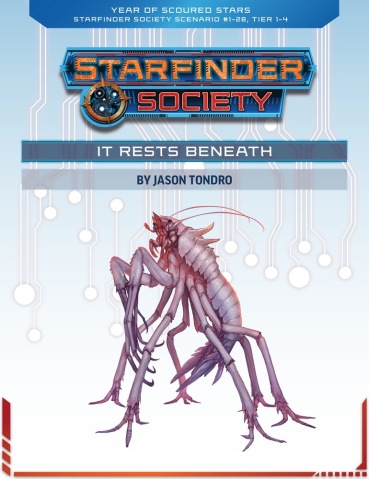


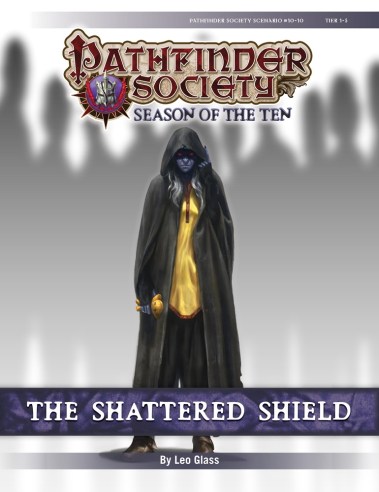
 (although all of the necessary stat blocks are included within the scenario). It makes use of the
  Adventure Path, I’d wager).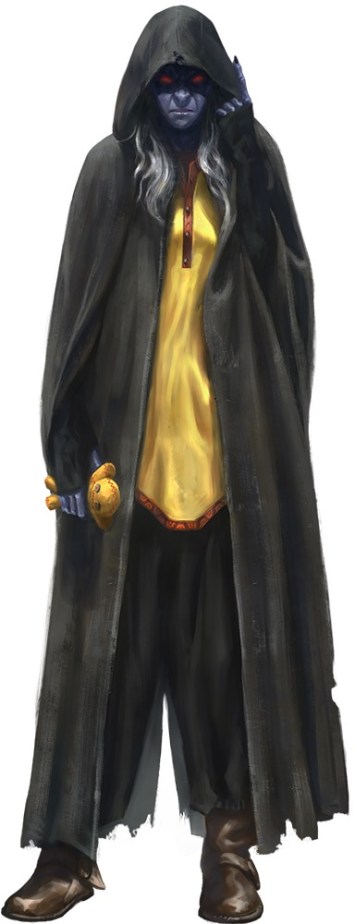

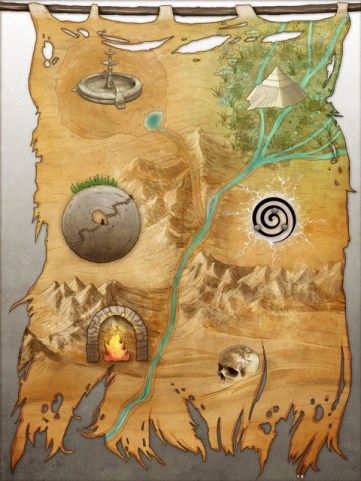
 it makes use of content from

 When you’ve had a chance to try them out, head back to
  and the Shattered Star Adventure Paths. In addition, the events of the
  , the novel
  , and Season Four of the Pathfinder Society: Year of the Risen Rune, are all presumed to have taken place. Although playing through these other adventure paths first will definitely make this campaign more enjoyable, it’s not necessary. You can hop right into Return of the Runelords and still have a blast.
 Written by Adam Daigle, this adventure is intended to take you from level one right through to level five. In addition to the adventure itself the book contains an NPC Gallery which features detailed information and statistics on three major characters in the adventure, a delightful primer on Roderic’s Cove which will be invaluable to GMs, a short chapter about the Runelords (their history, how they escaped Earthfall, and what’s happened to them since), a bestiary containing four new creatures, and a campaign outline that lets GMs know what’s coming further down the road.

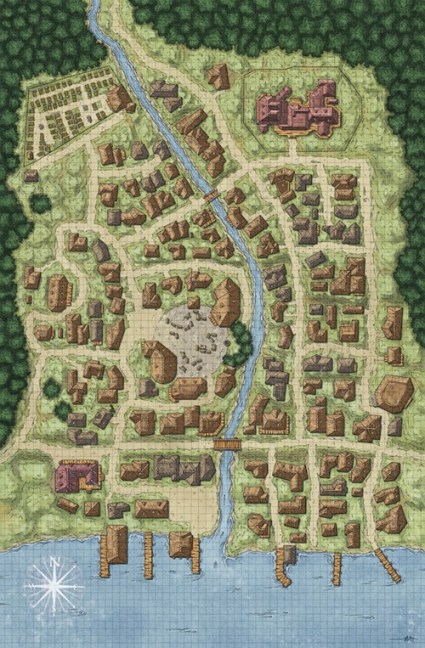


 by Ron Lundeen, continues with
  by Eleanor Ferron, and concludes with
  by Larry Wilhelm. All together these three adventures should take your characters from level one through to level six. You can check out our previous articles on Against the Aeon Throne here: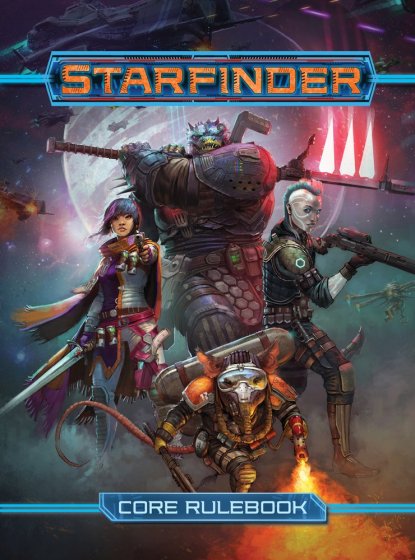

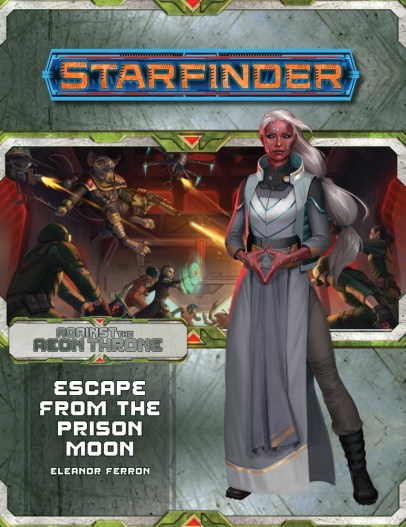


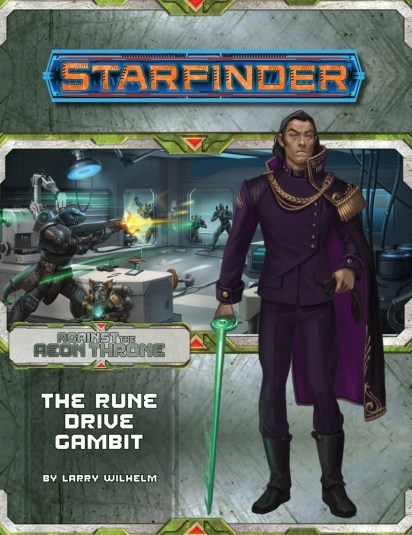

 . He’s a bombastic GM, a rules guru, and a creator of exciting content and original adventures. Sunburst Games is proud to have him as our Founder and Lead Developer!
 as a digital download from Amazon.ca
 as a print copy from Amazon.ca

 (although all of the necessary stat blocks are included within the scenario) and utilizes
  and two custom maps. This mission is of particular importance to members of the Liberty’s Edge faction. Characters (or players) who have played
  or (to a lesser extent)
 . It features creatures from
  , and
, and  (although all of the necessary stat blocks are included within the scenario) and utilizes
  , and a gorgeous custom map.

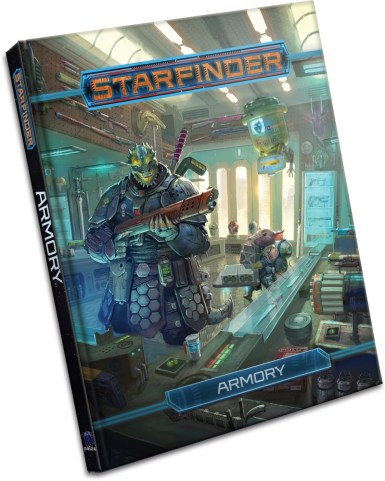


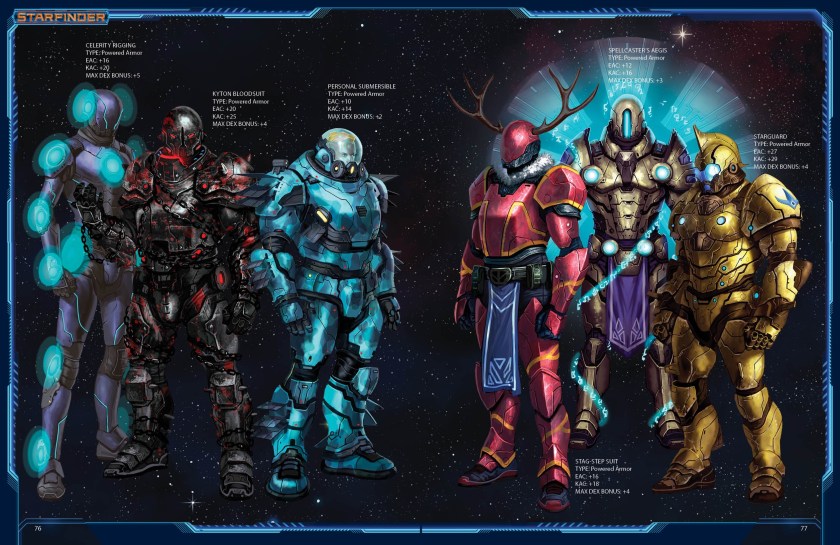
 After this is four pages of Personal Items. Although not the most exciting category of items, it’s certainly useful. My favourites are staples! The gear maintenance kit, mess kit, and books. (I know, I know. I’m really stepping out of my comfort zone there! Haha!).
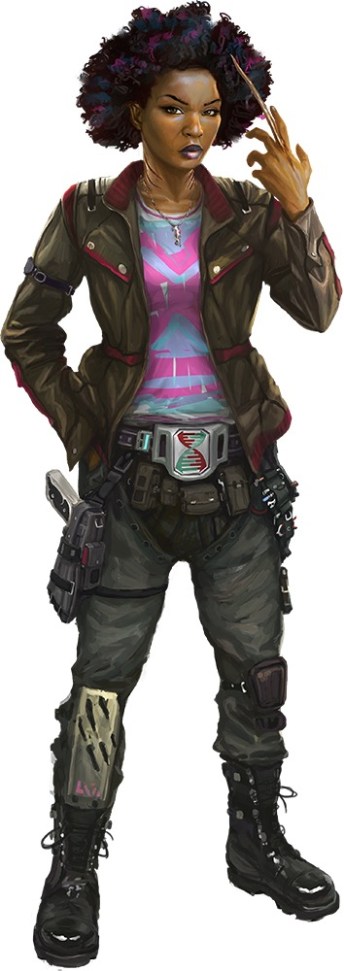


 (and
(and 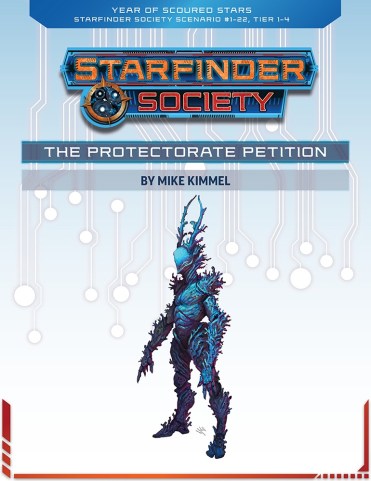
 , and
, and  . In addition to the

 d20 Diaries